
Healthy Lifestyle Habits: 6 Steps to Feel Better Daily
The healthy lifestyle habits that matter most are eating enough fiber and protein, moving daily and strength training weekly, sleeping 7 to 9 hours, managing stress, supporting your hormones, and keeping an eye on blood sugar and metabolism. You don’t need to change everything at once. Pick one habit, make it easy, and build from there.
Healthy living gets sold as a total life overhaul: new diet, new gym, new sleep schedule, all by Monday. That’s usually why it fades by Friday. The people who keep their results tend to treat it as an art, small adjustments repeated until they feel normal. Here are six steps, with deeper guides for each when you’re ready to go further.

1. Eat for Fiber, Protein, and Your Gut
Most adults fall short on fiber, and your gut bacteria feed on it. Aim to build every meal around protein, vegetables, and whole foods you actually enjoy. Seasonal produce is an easy start, so see our picks for fall fruits for gut health and these healthy fall soup recipes. If you’re new to eating more fiber, go slowly. Our guide to fibermaxxing on GLP-1 explains how to add it without bloating, and the Dietary Guidelines for Americans list daily targets. Not sure your digestion is on track? Check the signs of an unhealthy gut microbiome. A greens and probiotic blend like Saba N-Fuse™ can complement a fiber-rich diet.
2. Move Every Day and Lift Weekly
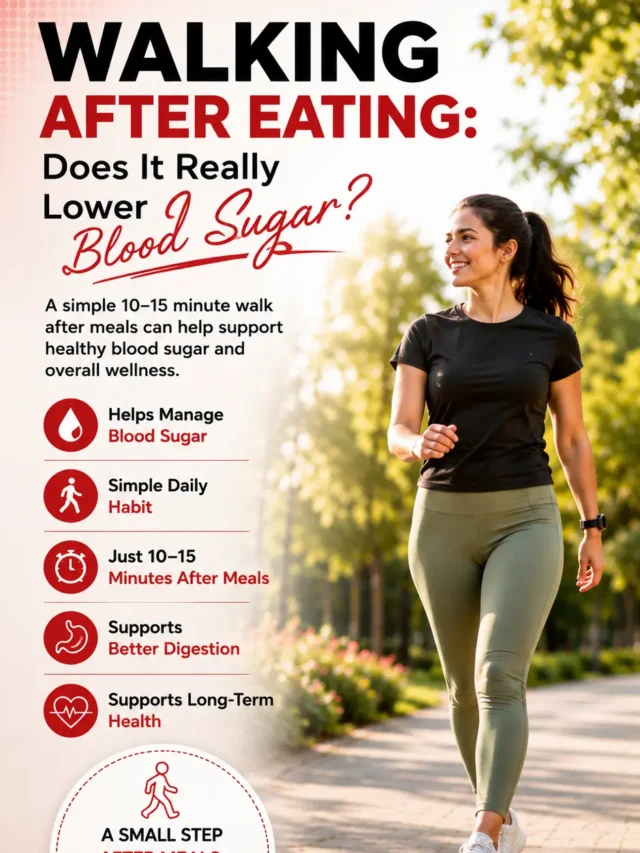
Health authorities such as the CDC recommend about 150 minutes of moderate activity a week plus two days of muscle-strengthening. Start with the simplest win: a short walk after eating. Then add strength work, which matters more as we age. See the best exercise for women over 40, how to prevent muscle loss while losing weight, and how to prevent muscle loss after 60. Getting winded easily? Read why you might be out of breath climbing stairs.
3. Protect Your Sleep
Sleep sets the tone for hunger hormones, cravings, and recovery. Short nights make everything else harder. Learn how poor sleep can cause weight gain, and keep a consistent bedtime, a dim screen-free hour, and caffeine before mid-afternoon.
4. Manage Stress Before It Manages You
Chronic stress shows up in your sleep, your appetite, and sometimes your face. We break down the real science behind cortisol face. Daily walks, breathing exercises, and real downtime help, and some people add adaptogen-based support such as Saba Prime™ alongside those habits.
5. Support Your Hormones
Hormonal shifts quietly change how your body handles weight, sleep, digestion, and energy, especially after 35. These guides cover the big ones:
- Perimenopause vs menopause: what’s different
- Perimenopause bloating at night: why it happens
- Hormonal weight gain after 40
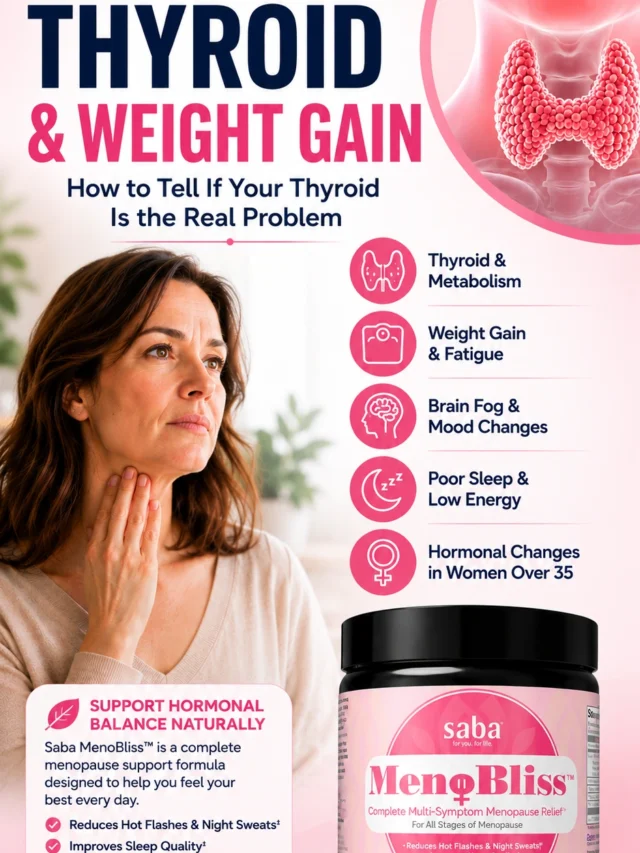
- Thyroid and weight gain
- Menopause belly fat and natural weight loss
For hormonal support, Saba MenoBliss™ is formulated for the perimenopause and menopause transition.
6. Keep an Eye on Metabolism and Blood Sugar
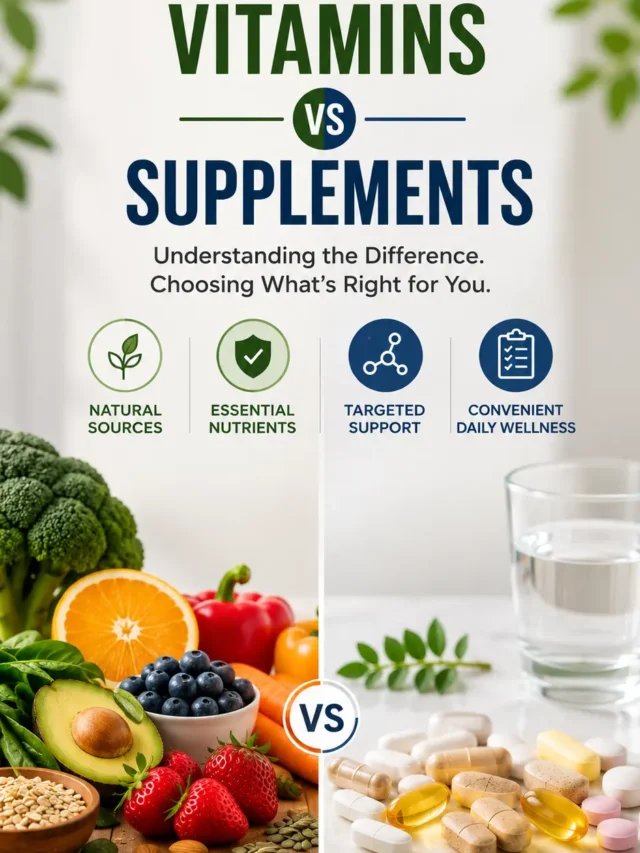
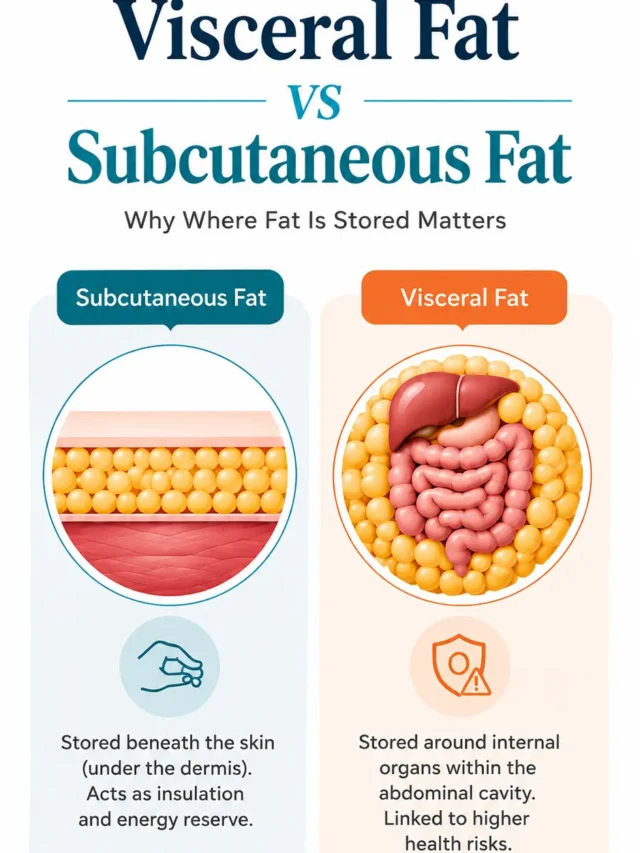
If you’re doing the basics and still feel stuck, look deeper. Start with the signs your metabolism has slowed down, then read about insulin resistance symptoms women often ignore. The scale also hides plenty. See skinny fat and visceral fat vs subcutaneous fat for what to measure instead. If you’re exploring natural support, here’s our overview of a natural GLP-1 weight loss supplement for women. Supplements support habits; they don’t replace them or prescribed treatment.
How to Make Healthy Lifestyle Habits Stick
- Start tiny. A 10-minute walk beats a perfect plan you abandon.
- Stack habits. Attach a new one to something you already do, like stretching while the coffee brews.
- Change one thing for two weeks before adding another.
- Track a win, not just a number. Energy, sleep, and strength count.
- Expect off days. Consistency over perfection is what builds healthy lifestyle habits that last.
FAQs: Healthy Lifestyle Habits
What are the most important healthy lifestyle habits?
Eating a fiber- and protein-rich diet, staying active, sleeping well, managing stress, and getting regular checkups are the foundation.
How long does it take to build a healthy habit?
It varies widely. Many people need several weeks of consistency, and simpler habits settle in faster.
What’s the easiest healthy habit to start with?
A 10-minute walk after a meal. It’s free, quick, and supports digestion and blood sugar.
Do healthy lifestyle habits change after 40?
Yes. Muscle, hormones, and metabolism shift, so strength training, protein, and sleep become even more important.
Can supplements replace healthy habits?
No. Supplements can support a good routine, but food, movement, sleep, and stress management do the heavy lifting.
Conclusion: Healthy Lifestyle Habits Are Built, Not Found
You don’t need a perfect routine. Choose one step from this guide, keep it small, and let it become automatic before you add the next. Over time, those small healthy lifestyle habits add up to more energy, better digestion, and steadier weight.