


You do not need to skip the pie. To avoid gaining weight at Thanksgiving, eat normally earlier in the day instead of saving up, build your plate around turkey and vegetables first, then add the dishes you truly love in smaller portions, eat slowly, take a walk after the meal, and return to your regular routine the very next morning. One meal rarely changes your weight. A habit of “starting over on Monday” for six weeks does.
What actually happens to your weight at Thanksgiving
Here is the reassuring part. Research on holiday weight change found that adults gained less than a pound on average over the winter holiday period, but most did not lose it again afterward. In other words, the damage is small per holiday and adds up across years.
So the real goal is not a perfect meal. It is avoiding the long tail: the days of leftovers, the “I already blew it” mindset, and the slide that runs from Thanksgiving through New Year’s.
Your Thanksgiving game plan
Before the day
- Decide your “must-haves” now. Pick the 3 or 4 dishes you would be sad to miss (for example Grandma’s stuffing, pumpkin pie). Everything else is optional. Deciding in advance removes in-the-moment guilt.
- Set a simple movement plan. A 30 to 45 minute walk, a short strength session, or a family football game. It does not need to be intense.
- Do your normal grocery shopping early so you are not hunting for snacks the day before.
Thanksgiving morning
- Do not skip breakfast to “save calories.” Arriving starving usually leads to eating fast and a lot. Have a protein-based breakfast such as eggs, Greek yogurt or cottage cheese with fruit.
- Drink water first, and keep a glass with you through the afternoon.
- Move before the meal. A morning walk or workout makes the later walk easier to repeat.
At the table
- Scan the table before you serve. Look at every dish first, then choose. People who load a plate as they walk down the line tend to take everything.
- Use the plate formula below.
- Eat slowly. Put the fork down between bites, talk, and wait 10 to 15 minutes before deciding on seconds. Fullness signals lag behind eating.
- Taste, don’t stack. If you want a bite of three side dishes, take three small spoonfuls instead of three full servings.
After the meal
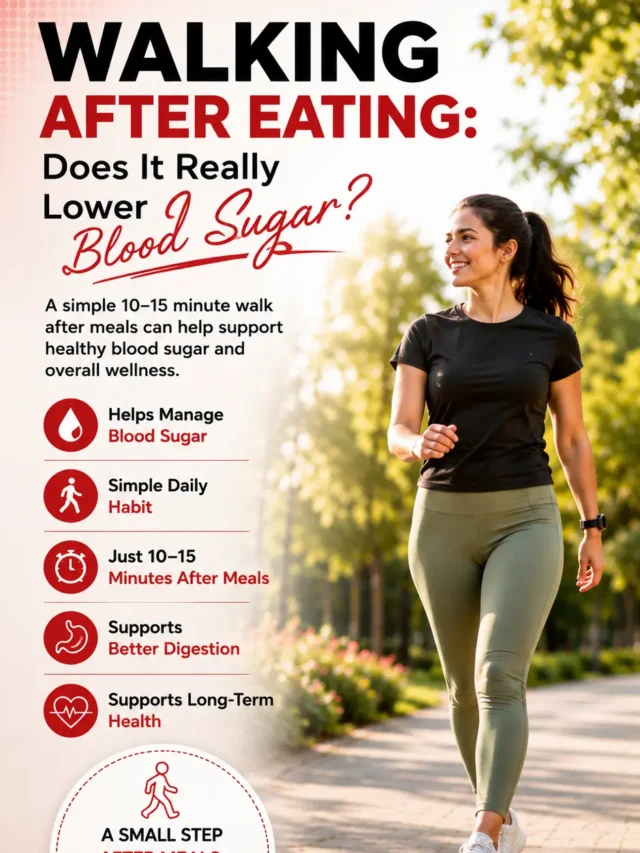
- Take a 10 to 20 minute walk. Short walks after eating can help with blood sugar and digestion, and they break the “couch and snack” loop.
- Have dessert on purpose. Sit down, plate it, enjoy it. Eating pie straight from the pan while chatting is where portions disappear.
The Thanksgiving plate formula
Build your first plate in this order:
| Plate area | What to put there | Why |
|---|---|---|
| About half | Non-starchy vegetables: green beans, roasted Brussels sprouts, salad, carrots | Fiber and volume that help you feel full |
| About a quarter | Turkey (white or dark, skin optional) | Protein keeps hunger steadier |
| About a quarter | Your favorite starch: stuffing, mashed potatoes, sweet potatoes, rolls (pick one or two) | Enjoy it without covering the whole plate |
| Small extra spot | A spoonful of gravy, cranberry sauce or butter | Flavor without drowning the plate |
You can go back for seconds. Just start with vegetables and protein, and give yourself a pause before you do.
Dish by dish: what to enjoy, what to watch
No food is “bad.” This is about knowing where calories tend to hide, so you can choose with your eyes open.
| Dish | Lighter side | Heavier side | Simple move |
|---|---|---|---|
| Turkey | Roasted, skinless | Fried or buttered with skin | Enjoy it, a protein win either way |
| Stuffing | Vegetable and herb-based | Sausage, butter-heavy | Take a normal scoop, skip the second |
| Mashed potatoes | Made with broth or yogurt | Butter and cream | Gravy or butter, not both |
| Sweet potatoes | Roasted with cinnamon | Marshmallow or brown sugar casserole | Pick one sweet side, not two |
| Green beans and vegetables | Roasted or steamed | Casserole with fried onions | Great for filling half your plate |
| Cranberry sauce | Homemade, lower sugar | Canned with added sugar | A spoonful is plenty |
| Rolls and bread | Whole grain | Buttered | Have one |
| Gravy | Thin turkey gravy | Cream-based | Pour a ladle, not a lake |
| Pie and dessert | Pumpkin pie | Pecan pie, cheesecake, ice cream on top | Small slice, sitting down |
Drinks and alcohol
Liquid calories add up quietly, and alcohol can also loosen portion control.
- Alternate each alcoholic drink with a glass of water or sparkling water.
- Pick one “special” drink (wine, cider or a cocktail) instead of several.
- Watch sweet drinks like eggnog, hot cider, and mixed cocktails.
- Skip drinking on an empty stomach.
Appetizers and grazing
The hours before dinner are where many people eat more than the actual meal.
- Make a small plate of snacks, then step away from the table.
- Stay near the vegetable tray and protein options (shrimp, cheese cubes, nuts) rather than chips and dips.
- Hold a drink or glass of water in your dominant hand so you are not mindlessly snacking.
Leftovers: the quiet weight gain trap
Thanksgiving itself is one day. Leftovers can run four more.
- Pack up right after dinner. Use portioned containers.
- Send plates home with guests.
- Turn leftovers into balanced meals: turkey, roasted vegetables and a small scoop of sweet potatoes beats three days of pie for breakfast.
- Freeze what you will not eat in two days.
If you overeat (it happens)
One heavy meal is not a setback unless you let it become one. The next steps matter more than the meal.
- Skip the punishment. No fasting, extreme exercise, or “detox.” Those usually trigger rebound overeating.
- Drink water and take a gentle walk.
- Eat your normal breakfast, with protein, the next morning.
- Weigh yourself only if you normally do, and expect a temporary jump from sodium, carbs and water. That is not fat gain.
If you take a GLP-1 medication
If you use a GLP-1 medicine such as Wegovy, Zepbound or Ozempic, you may feel full quickly and be sensitive to rich, fatty food. Eat small portions, start with protein and vegetables, go slowly, and stop when comfortably full. Do not change your dose around the holiday without speaking to your prescriber.
Your quick Thanksgiving checklist
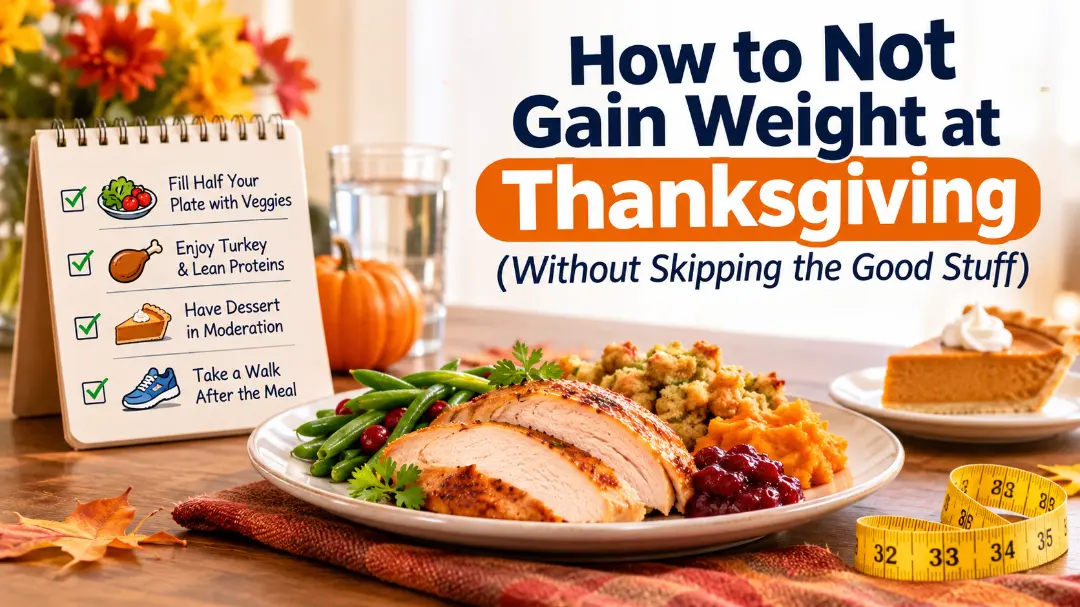
- Choose my 3 or 4 “must-have” dishes
- Eat a protein-based breakfast
- Take a morning movement break
- Fill half my plate with vegetables first
- Eat slowly and pause before seconds
- Take a 10 to 20 minute walk after dinner
- Pack leftovers into portions
- Return to my normal routine on Friday
FAQs- How to Not Gain Weight at Thanksgiving
1.How many calories are in a typical Thanksgiving dinner?
It varies widely depending on portions, sides and drinks, and published estimates differ. Instead of counting, use the plate formula and portion awareness to stay in control.
2.Should I skip meals before Thanksgiving dinner?
No. Skipping meals usually leads to faster eating and larger portions at the table. A protein-based breakfast and a light lunch work better for most people.
3.Is it okay to have dessert?
Yes. Enjoying a planned slice of pie is much easier to manage than restricting yourself and then overeating later.
4.How long does it take to gain weight from one big meal?
One meal does not cause meaningful fat gain. Scale changes after a big meal are mostly water, sodium and food still in your system.
5.What if I already overate?
Don’t try to “make up for it.” Return to your regular eating pattern at the next meal and keep moving.
6.What is the best exercise for Thanksgiving?
The one you will actually do. A brisk walk before or after the meal is a great, low-pressure option.