




You’re eating clean, working out, and still the scale won’t budge. Meanwhile, you’re running on five or six hours of sleep a night, telling yourself you’ll “catch up on the weekend.” Here’s the uncomfortable truth: does poor sleep cause weight gain? Yes — and it might be sabotaging your progress more than your diet ever could.
The Sleep-Weight Connection, Explained
Sleep isn’t just rest. It’s when your body regulates the hormones that control hunger, fullness, and blood sugar. When sleep is cut short, that regulation breaks down.
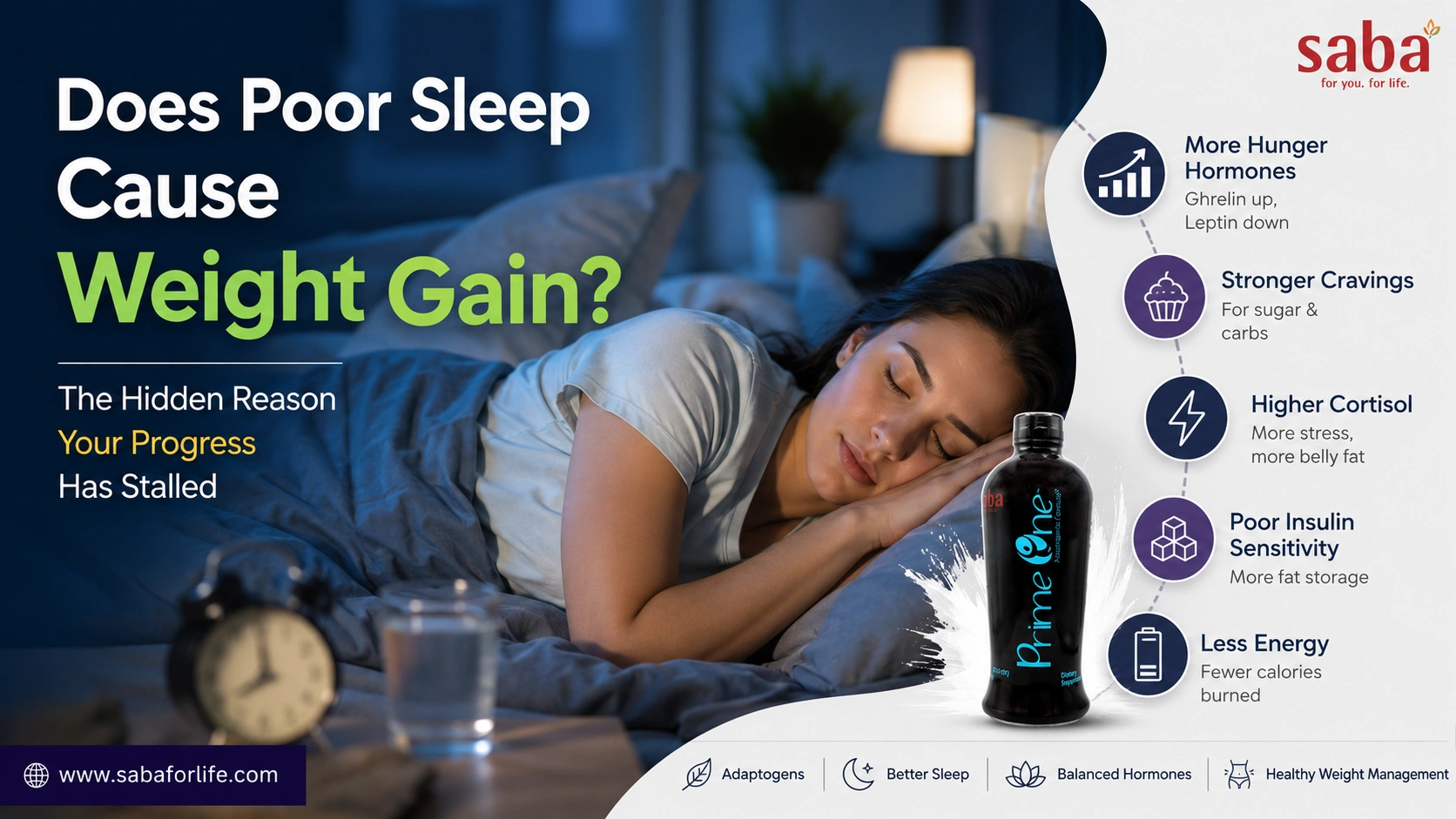
1. Ghrelin Goes Up, Leptin Goes Down
Ghrelin (your “I’m hungry” hormone) rises when you’re sleep-deprived, while leptin (your “I’m full” hormone) drops. The result: you feel hungrier the next day, even if you ate the same amount as usual.
2. Cravings Shift Toward Sugar and Carbs
Poor sleep doesn’t just make you eat more — it changes what you crave. Studies show sleep-deprived brains respond more strongly to high-calorie, high-carb foods, making willpower alone a losing battle.
3. Cortisol Rises
Short sleep raises cortisol, your primary stress hormone. Elevated cortisol encourages fat storage, particularly around the belly, and can make it harder to lose weight even with a solid diet plan.
4. Insulin Sensitivity Drops
Just one week of poor sleep can reduce insulin sensitivity, meaning your body stores more of what you eat as fat instead of using it for energy.
5. You Have Less Energy to Move
Fatigue reduces motivation for exercise and daily movement (walking, standing, fidgeting), which quietly lowers the number of calories you burn each day.
How Much Sleep Loss Actually Matters?
Research consistently points to under 6-7 hours of sleep per night as the threshold where these hormonal shifts start showing up. It doesn’t take chronic insomnia — even a few nights of short sleep can measurably increase next-day appetite and calorie intake.
So, Does Poor Sleep Cause Weight Gain Over Time?
In short — yes, but it’s rarely sleep alone. Poor sleep creates the conditions (more hunger, more cravings, more stress hormones, less energy) that make weight gain far more likely, especially when combined with a busy, high-stress lifestyle. This is why two people can eat similar diets and get very different results depending on how well they sleep.
Natural Ways to Improve Sleep and Support Weight Management
- Keep a consistent sleep schedule — even on weekends, this helps stabilize hunger hormones.
- Limit screens 1 hour before bed — blue light delays melatonin release.
- Watch caffeine after 2 PM — it has a longer half-life than most people realize.
- Manage stress before bedtime — high cortisol at night makes it harder to fall and stay asleep.
- Support your body’s stress response naturally — adaptogens like ashwagandha and ginseng are traditionally used to help balance cortisol and support calmer, more restorative sleep.
You can explore Saba’s adaptogen-based wellness support if you’re looking for a natural, non-stimulant option.
FAQs: Does Poor Sleep Cause Weight Gain?
1. How many hours of sleep do I need to avoid weight gain?
Most adults need 7–9 hours of sleep per night. Consistently sleeping less than 6–7 hours is linked to increased hunger hormones and reduced insulin sensitivity, making weight gain more likely over time.
2. Can one bad night of sleep cause weight gain?
One night of poor sleep won’t cause noticeable weight gain, but it can increase hunger and cravings the following day. If poor sleep becomes a regular habit, those extra calories can contribute to gradual weight gain.
3. Why do I crave junk food when I’m tired?
Sleep deprivation increases the hunger hormone ghrelin and affects the brain’s reward system, making high-calorie, sugary, and fried foods much more tempting.
4. Does poor sleep affect belly fat specifically?
Yes. Poor sleep raises cortisol levels, a stress hormone that is associated with increased abdominal fat storage, especially when combined with an unhealthy diet and lack of exercise.
5. Can better sleep help with weight loss even without changing my diet?
Improving sleep can reduce excessive hunger, balance hormones, and improve metabolism. While sleep alone isn’t a weight-loss solution, it can make healthy eating and regular exercise much more effective.
Conclusion-Does Poor Sleep Cause Weight Gain?
The evidence is clear — sleep isn’t separate from weight management, it’s a core part of it. If you’ve been focused only on diet and exercise while running on minimal sleep, fixing your sleep routine may be the missing piece. Small, consistent changes to your sleep habits, paired with natural stress support, can make a real difference over time.
This article is for informational purposes only and is not a substitute for professional medical advice.