



You feel tired after meals, crave sugar constantly, and can’t seem to lose weight around your midsection no matter what you try. These aren’t random annoyances — they could be early insulin resistance symptoms that are easy to dismiss as stress, aging, or “just life.” Left unaddressed, insulin resistance can quietly progress for years before it’s ever diagnosed.
What Is Insulin Resistance?
Insulin is the hormone that moves sugar from your bloodstream into your cells for energy. When cells stop responding to insulin efficiently, your pancreas produces more of it to compensate. Over time, this cycle raises blood sugar and insulin levels, sets the stage for weight gain, and increases risk for type 2 diabetes — often years before a diagnosis shows up on a lab test.
Insulin Resistance Symptoms Women Often Ignore
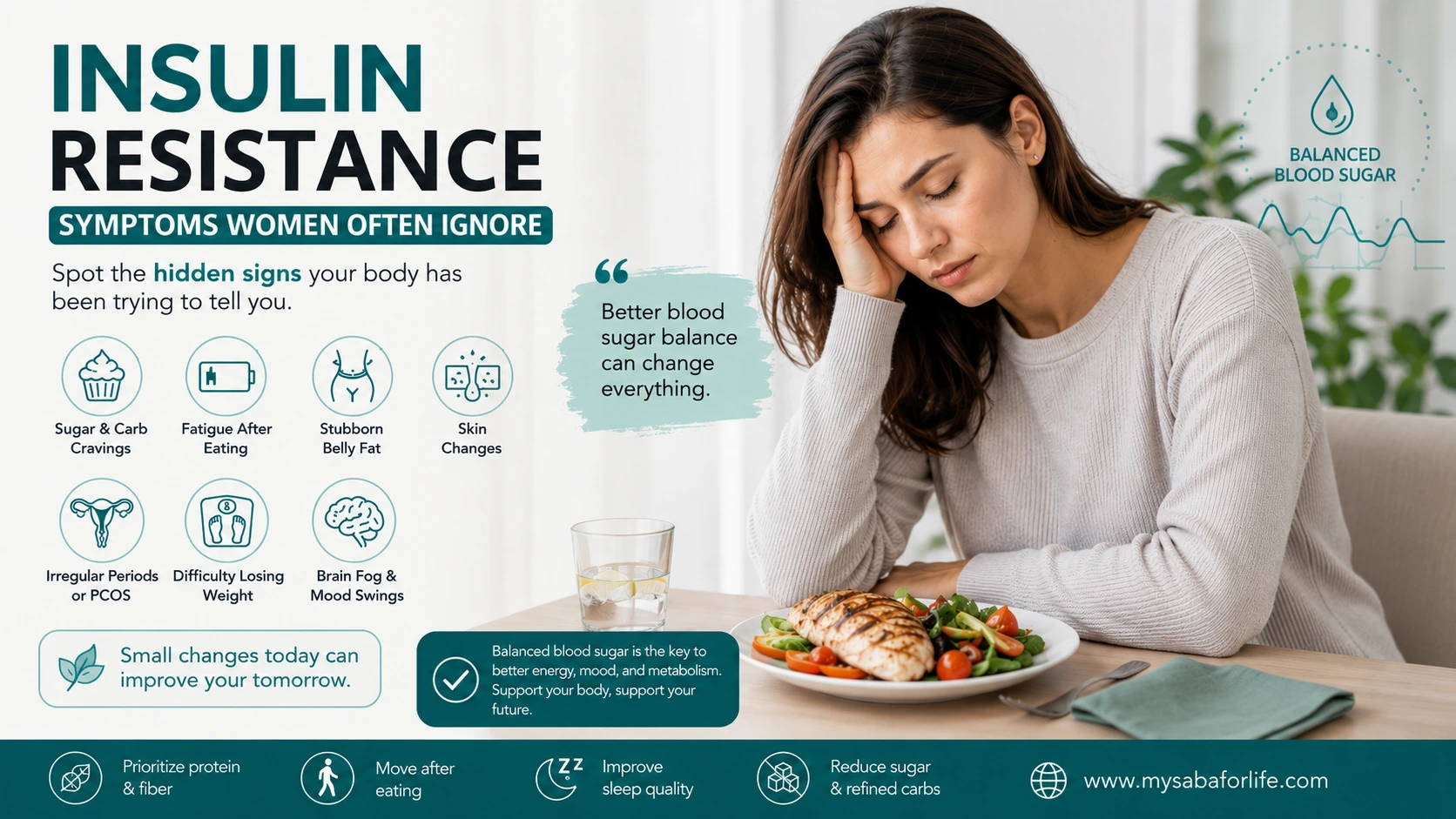
1. Constant Sugar and Carb Cravings
When cells resist insulin’s signal, the body senses low energy despite having plenty of sugar in the blood — triggering intense cravings for quick-energy foods like sweets and refined carbs.
2. Fatigue After Eating
Feeling sleepy or sluggish shortly after meals, especially carb-heavy ones, is one of the most overlooked insulin resistance symptoms because it’s easy to blame on a “food coma.”
3. Stubborn Belly Fat
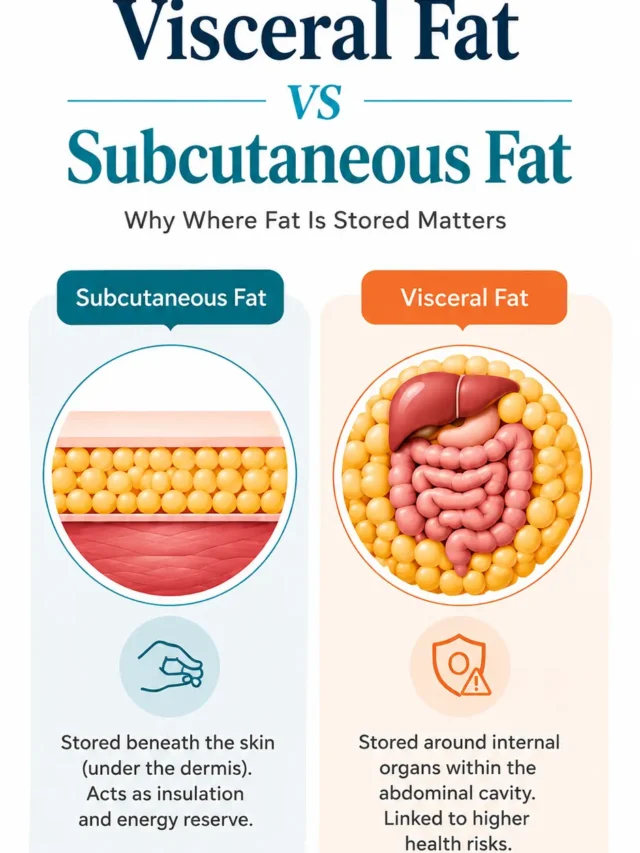
Insulin resistance encourages fat storage specifically around the abdomen, which is why belly fat can feel disproportionately hard to lose compared to other areas.
4. Skin Changes
Dark, velvety patches of skin (usually on the neck, armpits, or groin) — known as acanthosis nigricans — are a classic but frequently missed sign of high insulin levels.
5. Irregular Periods or PCOS Symptoms
Insulin resistance is closely tied to PCOS and can worsen irregular cycles, acne, and excess hair growth, yet many women treat these as separate issues.
6. Difficulty Losing Weight Despite Effort
When insulin levels stay elevated, the body is biased toward fat storage over fat burning — meaning diet and exercise alone often aren’t enough to see results.
7. Brain Fog and Mood Swings
Blood sugar swings caused by insulin resistance can affect mood stability and mental clarity throughout the day, often mistaken for stress or lack of sleep.
Why These Symptoms Go Unnoticed for So Long
Most of these signs develop gradually and don’t feel severe enough to raise alarm individually. Routine bloodwork often only flags fasting glucose, which can stay normal for years even as insulin resistance progresses — meaning symptoms frequently appear before a diagnosis ever does.
Natural Ways to Support Insulin Sensitivity
- Prioritize protein and fiber at each meal — both slow sugar absorption and reduce insulin spikes.
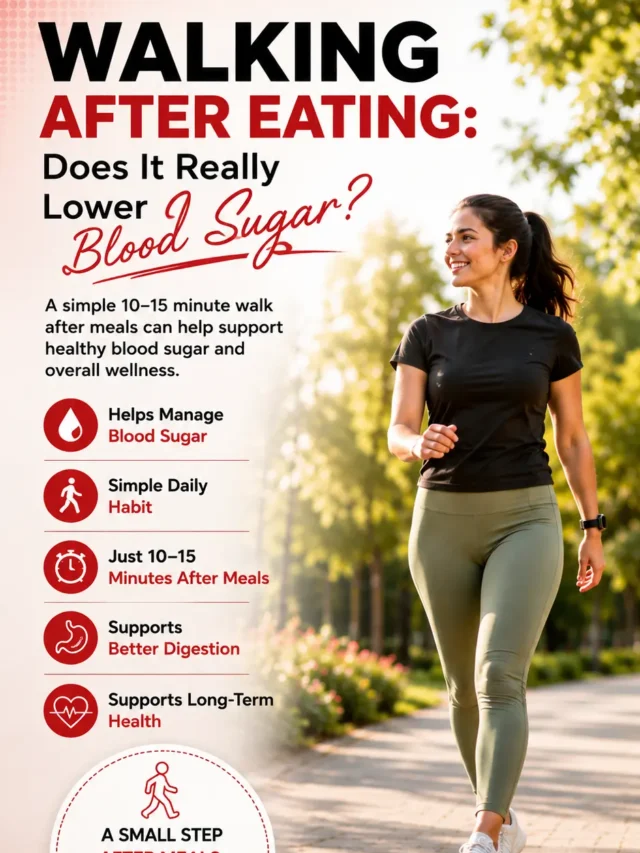
- Move after eating — a short walk after meals measurably improves blood sugar response.
- Improve sleep quality — poor sleep directly worsens insulin sensitivity within days.
- Reduce refined sugar and processed carbs — these cause the sharpest insulin spikes.
- Support blood sugar balance nutritionally — targeted formulas like Saba GLP-1are designed to support balanced blood sugar levels while priming metabolism, working alongside diet and lifestyle changes rather than replacing them.
FAQs-Insulin Resistance Symptoms
1. Can you have insulin resistance with normal blood sugar?
Yes. Insulin resistance can be present for years while fasting glucose still tests normal, since the pancreas compensates by producing more insulin.
2. Is insulin resistance reversible?
In many cases, yes — through consistent diet changes, movement, better sleep, and blood sugar support, insulin sensitivity can improve significantly.
3. What test checks for insulin resistance?
A fasting insulin test or HOMA-IR calculation is more sensitive than fasting glucose alone for catching early insulin resistance.
4. Does insulin resistance cause weight gain even with a healthy diet?
Yes, elevated insulin levels bias the body toward fat storage, which can make weight loss difficult even with reasonable eating habits.
5. Is insulin resistance more common in women with PCOS?
Yes, insulin resistance is present in a large majority of women with PCOS and often worsens related symptoms like irregular cycles and acne.
Don’t Ignore These Insulin Resistance Symptoms
Insulin resistance rarely announces itself loudly — it shows up as cravings, fatigue, stubborn fat, and small changes most women brush off for years. Recognizing these insulin resistance symptoms early gives you the chance to act before they progress further, through better nutrition, movement, sleep, and targeted blood sugar support.
This article is for informational purposes only and is not a substitute for professional medical advice.