



Perimenopause vs Menopause: What Happens to Your Body?
If your periods have started acting unpredictable, your sleep is off, and you’re wondering whether “this is it,” you’re not alone. Most women hit this exact confusion somewhere in their 40s. The short answer: you’re probably in perimenopause, not menopause — and the difference between the two matters more than people realize.
The One-Line Difference
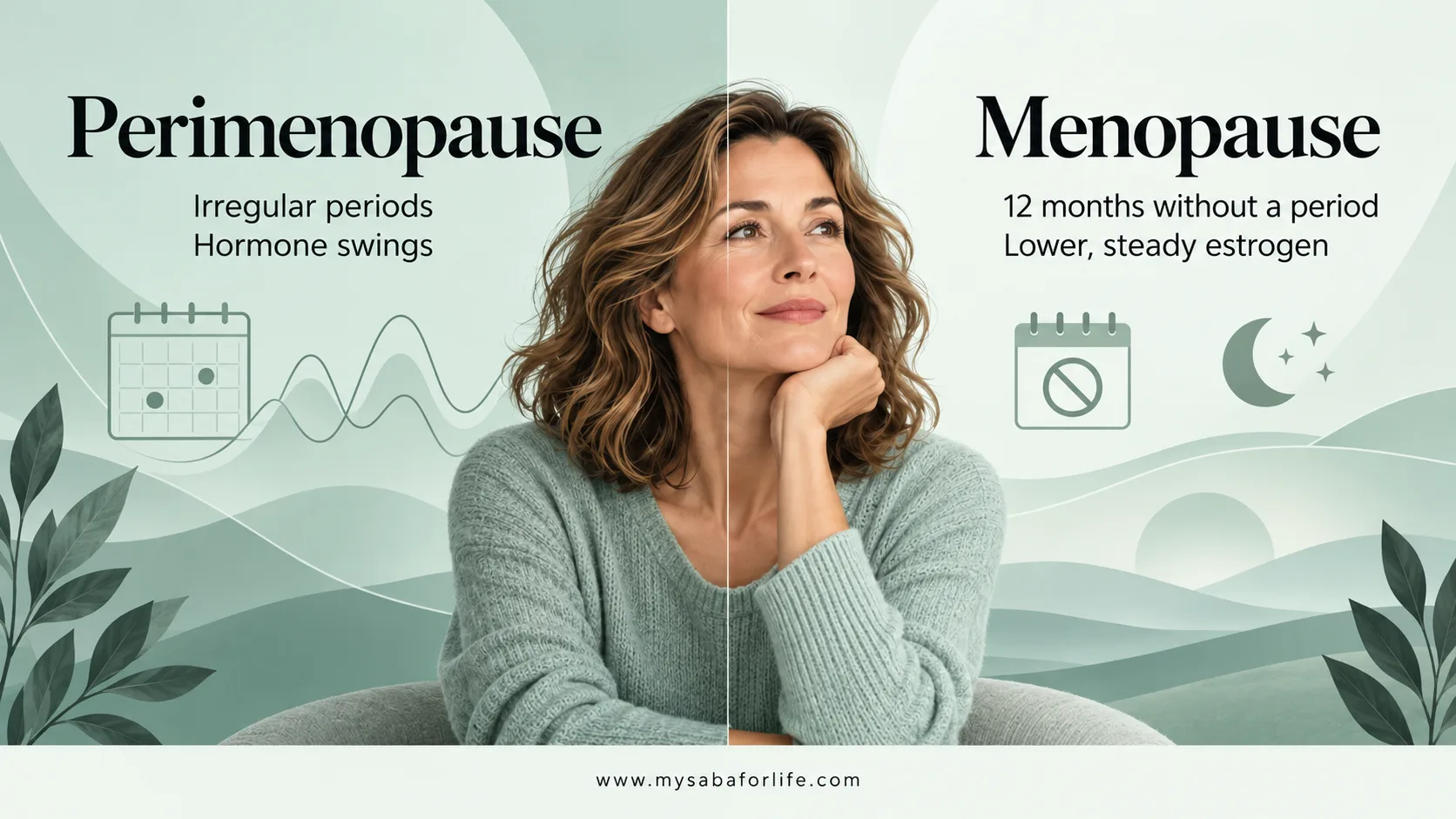
Perimenopause is the transition — the stretch of time when your hormones start swinging unevenly and your cycle gets unpredictable, but your period hasn’t stopped for good.
Menopause is a single, specific milestone: the day marking 12 full months since your last period.
Everything after that point is technically “postmenopause,” though in everyday conversation, most people just keep calling it menopause.
Think of perimenopause as the on-ramp and menopause as the point where you officially merge onto the highway.
When Does Each Stage Actually Start?
Perimenopause usually shows up in the mid-to-late 40s, though some women notice changes as early as their mid-30s. It’s not a fixed length — some go through it in under a year, others take closer to eight to ten years, with somewhere around four to six years being the most typical stretch.
Menopause, by contrast, isn’t a range — it’s a single date, confirmed only in hindsight once 12 consecutive months pass without a period. In the U.S., that lands around age 51 on average, though genetics, smoking history, and certain medical treatments can shift that earlier or later.
Symptom Differences- Why Perimenopause Can Feel Messier
The biggest practical difference between the two stages comes down to hormone behavior, not just hormone level.
- Perimenopause: estrogen doesn’t decline steadily — it spikes and dips unevenly. This is why symptoms feel unpredictable: a rough week of hot flashes followed by two calm weeks, periods that are heavier one month and barely-there the next.
- Menopause: estrogen has settled at a consistently low level. Symptoms tend to be steadier — still present for many women, but less of a rollercoaster.
Both stages can bring hot flashes, night sweats, sleep disruption, mood shifts, and vaginal dryness. The unpredictability is what sets perimenopause apart.
Why Perimenopause Often Feels Harder Than Menopause
This surprises a lot of women: many find perimenopause more disruptive than menopause itself. The logic tracks — fluctuating hormones create more noticeable mood swings and irregular bleeding than steadily low ones do. Once hormones stabilize after menopause, some symptoms actually become easier to manage, even though estrogen is lower overall than it was during a “normal” cycle.
Weight and Metabolism
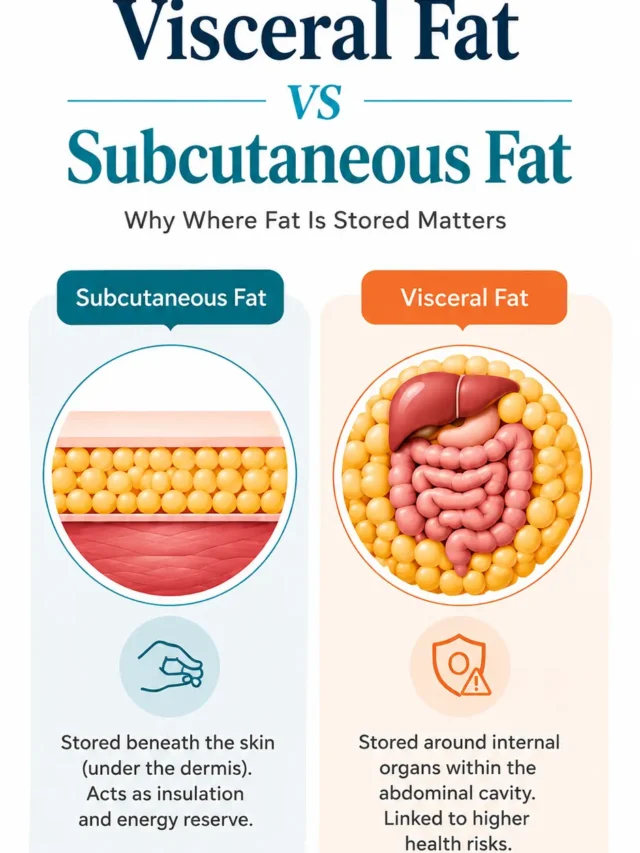
Both stages are linked to weight changes, especially around the midsection, but for slightly different reasons:
- During perimenopause, hormonal swings and disrupted sleep tend to drive cravings and shift metabolism.
- By menopause, consistently low estrogen plays a bigger role in slowing metabolism and changing where the body stores fat.
How to Tell Which Stage You’re In
A simple gut check:
- Still getting periods, even irregular ones? → Perimenopause
- Gone a full 12 months without one? → Menopause
Blood tests for FSH (follicle-stimulating hormone) can offer supporting clues, but they’re notoriously unreliable during perimenopause since hormone levels shift so much from week to week. A doctor’s assessment based on your symptom pattern and cycle history is usually more useful than a single lab result.
Supporting Your Body Through the Transition
Whether you’re navigating early perimenopause symptoms or newly postmenopausal, small consistent habits tend to help more than any single fix — steady sleep, regular movement, a protein-forward diet, and managing stress all support hormonal balance during this stretch.
FAQs- Perimenopause vs Menopause
1.How long does perimenopause typically last?
It varies quite a bit — anywhere from a few months to over a decade — but four to six years is common before reaching full menopause.
2.Can you get pregnant during perimenopause?
Yes. Ovulation is still happening, even if irregularly, so pregnancy remains possible until menopause is confirmed.
3.Are perimenopause symptoms worse than menopause symptoms?
Many women find perimenopause more disruptive because of the hormone swings, while menopause symptoms tend to feel steadier once hormone levels settle.
4.What’s the average age perimenopause starts?
Most women notice the first signs in their mid-to-late 40s, though it can begin earlier.
5.How do doctors confirm menopause?
Menopause is confirmed retroactively — after 12 consecutive months without a period — sometimes alongside blood tests to rule out other causes.
This article is for informational purposes only and isn’t a substitute for professional medical advice.