

How to Build the Best Exercise Routine After 40
Your body at 40 doesn’t respond the same way it did at 25 — and pretending otherwise usually leads to frustration, not results. Hormones shift, metabolism slows, and muscle naturally starts to decline. So what’s the best exercise for women over 40? According to trainers and health experts, it’s not more cardio. It’s strength.
Why Strength Training Tops the List
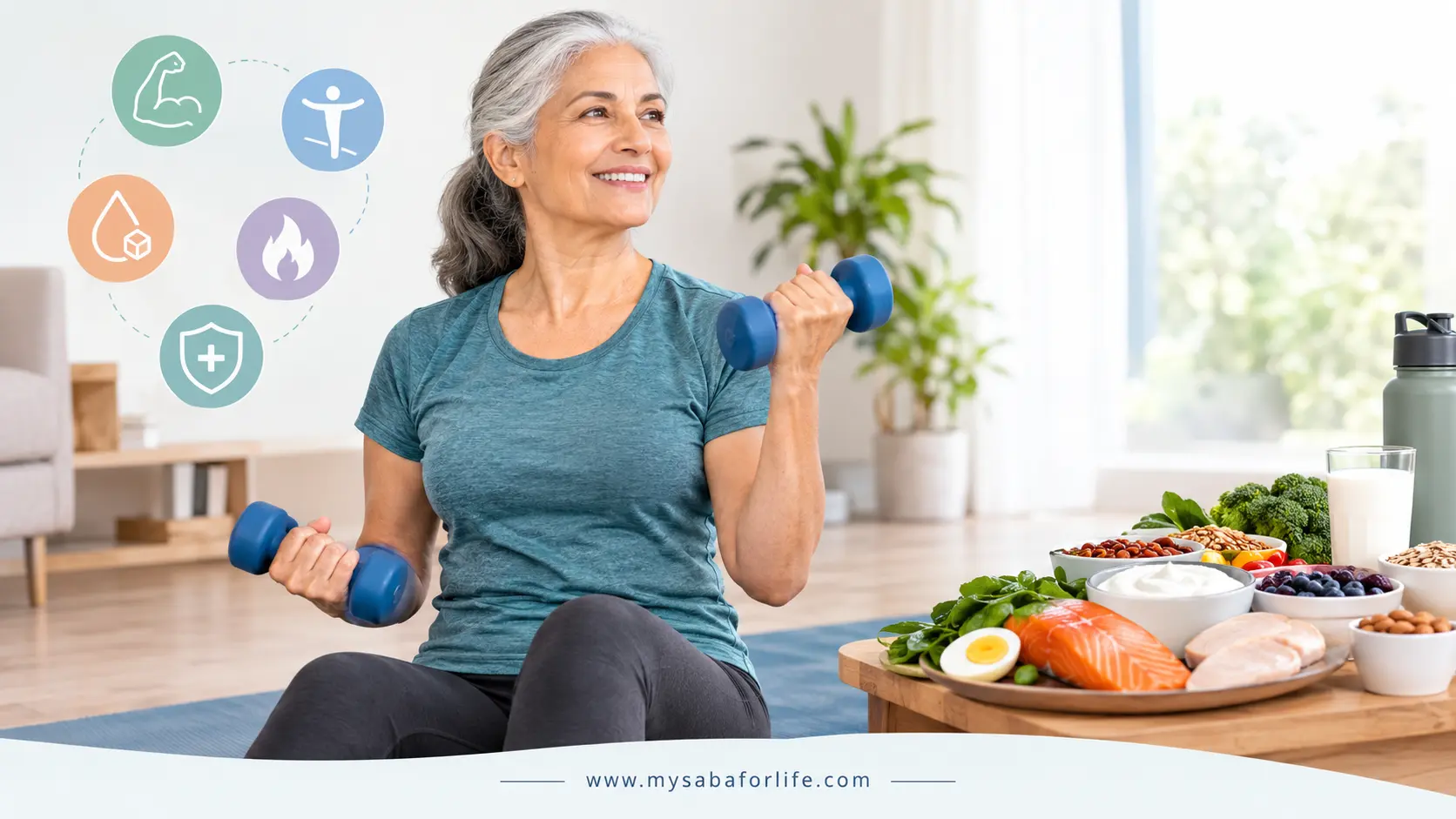
After 40, women naturally lose muscle mass at an accelerating rate, partly due to declining estrogen. Less muscle means a slower metabolism, weaker bones, and higher injury risk. Strength training directly counters this — it preserves lean muscle, supports bone density, and keeps metabolism from slowing further.
This is why experts consistently point to resistance training, not endless cardio, as the single best exercise for women over 40 looking to stay strong and lean long-term.
What “Strength Training” Actually Looks Like
It doesn’t mean lifting like a bodybuilder. Two to three sessions a week focusing on major muscle groups — legs, back, chest, core — is enough to see real change. Bodyweight squats, resistance bands, dumbbells, or machine-based training all count. Consistency matters far more than intensity here.
Why Walking Still Deserves a Place
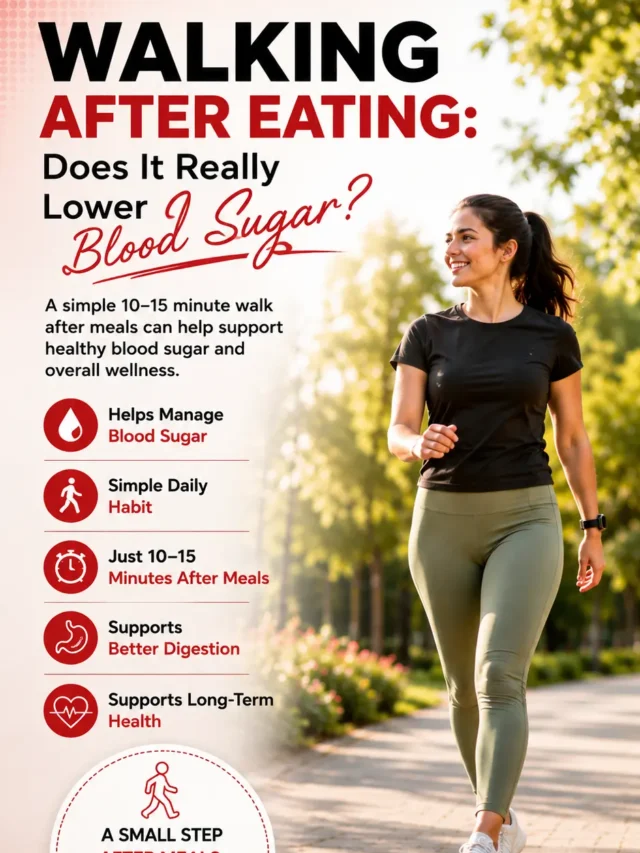
Strength training may be the top pick, but daily walking remains one of the most underrated habits for women over 40. It supports heart health, helps regulate blood sugar, and is gentle enough to do consistently without recovery issues that harder workouts can cause.
Low-Impact Cardio Options Worth Adding
High-impact cardio can aggravate joints that are already under more strain due to hormonal changes. Swimming, cycling, and incline walking offer real cardiovascular benefit without the joint stress that running or high-intensity classes can cause.
Don’t Skip Mobility Work
Flexibility and joint mobility naturally decline with age, increasing injury risk during other workouts. A few minutes of stretching or mobility work — hips, shoulders, spine — a few times a week keeps the rest of your routine sustainable.
What About HIIT?
High-Intensity Interval Training can still work well after 40, but recovery becomes more important. One or two short HIIT sessions a week, paired with adequate rest, tends to work better than daily high-intensity workouts, which can raise cortisol and worsen fatigue over time.
Putting It Together- A Realistic Weekly Approach
- 2-3 strength training sessions
- 1-2 low-impact cardio sessions (walking, cycling, swimming)
- Daily walking where possible
- 1-2 short mobility sessions
- Optional: 1 short HIIT session if recovery allows
This kind of balance reflects what most experts recommend as the best exercise approach for women over 40 — not a single workout, but a mix that supports muscle, hormones, and joints together.
Supporting Your Body Beyond the Workout
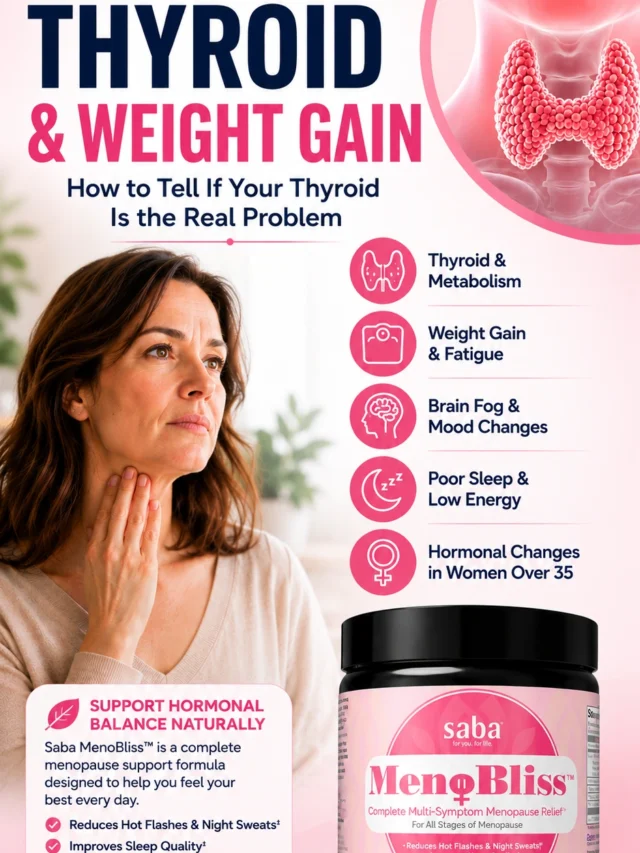
Exercise is only part of the picture after 40. Hormonal shifts during this stage can affect energy, recovery, and how your body responds to training. Supporting hormonal balance — through nutrition, sleep, and targeted support like Saba MenoBliss™ — can make consistency with exercise noticeably easier.
FAQs About the Best Exercise for Women Over 40
1.What is the single best exercise for women over 40?
Strength training is generally considered the most impactful, since it directly addresses muscle loss and slowing metabolism linked to hormonal changes.
2.How many days a week should a woman over 40 exercise?
Most experts recommend 4-5 active days per week, combining strength training, low-impact cardio, and mobility work.
3.Is walking enough exercise after 40?
Walking is valuable for heart health and blood sugar, but pairing it with strength training gives better results for muscle and bone health.
4.Can women over 40 still do HIIT safely?
Yes, in moderation. One to two sessions a week with proper recovery is generally safer than frequent high-intensity training.
5.Does exercise help with menopause-related weight gain?
Yes. Strength training in particular helps offset the metabolic slowdown that often accompanies perimenopause and menopause.