For the high-achieving woman who meal preps on Sunday, hits the gym before 7 AM, and still can’t figure out why the scale won’t budge.
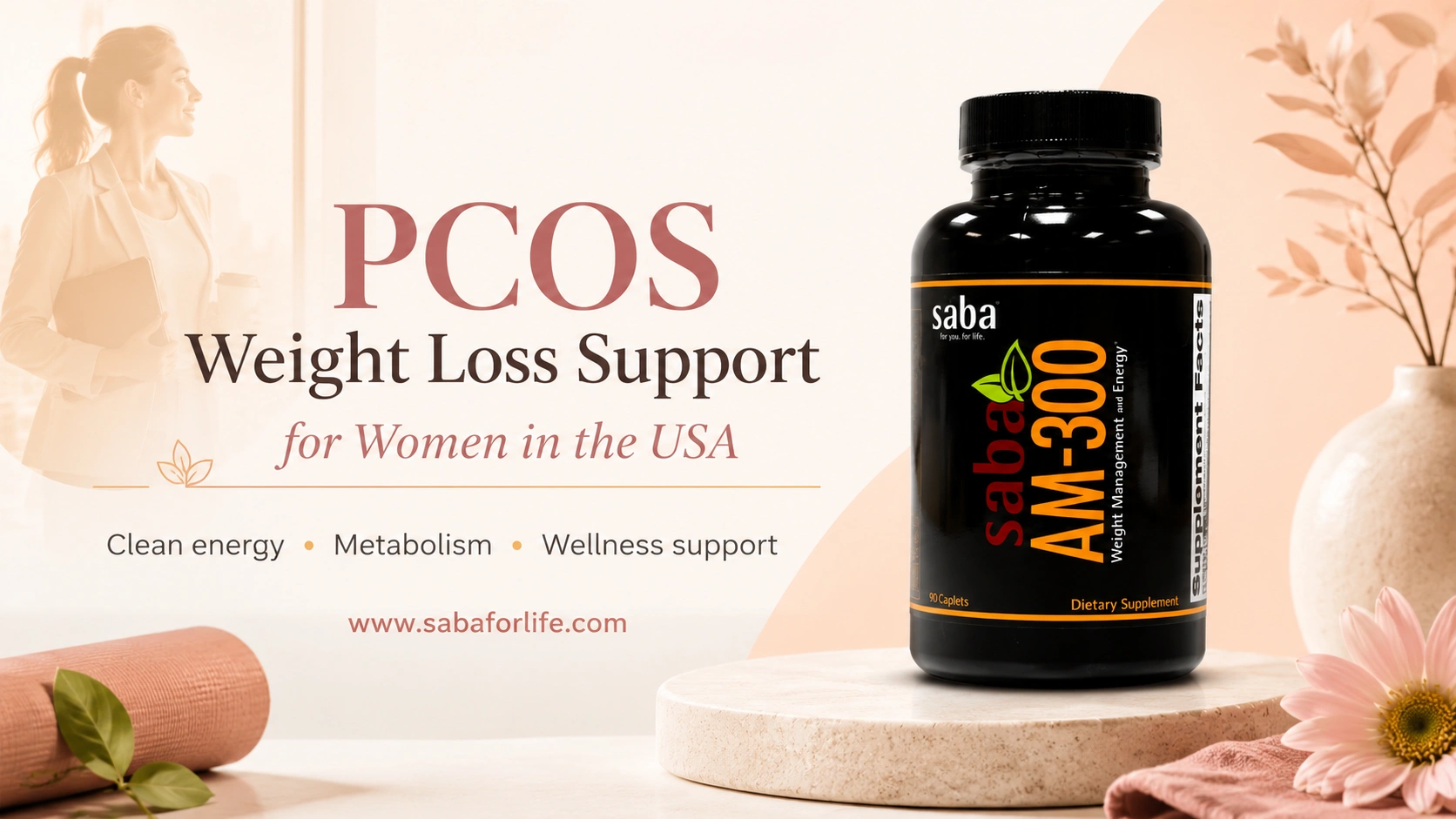
PCOS Weight Loss Support for Women in the USA
You’ve traded the late-night ramen for grain bowls. You’ve downloaded three fitness apps. You track your steps, your macros, and your sleep cycles. And yet — nothing.
If you’re a woman living in a fast-paced city like Austin, Seattle, Denver, or the Bay Area, and you’ve been silently fighting this battle with your body, there’s something important you need to know: it might not be about willpower at all.
The Hidden Condition Behind “Unexplained” Weight Gain
Polycystic Ovary Syndrome — commonly known as PCOS — affects an estimated 1 in 10 women of reproductive age in the United States. Yet despite how widespread it is, millions of women go years without a proper diagnosis, especially women in high-demand careers who chalk up fatigue, bloating, and stubborn belly fat to stress or getting older.
PCOS is a hormonal condition that disrupts the body’s ability to regulate insulin, manage fat storage, and maintain consistent energy levels. For women navigating 60-hour work weeks, back-to-back Zoom calls, and a culture that glorifies hustle — the symptoms can quietly spiral.
Why Your City Lifestyle May Be Making It Worse
Here’s what most weight loss advice misses: chronic stress is a major PCOS trigger.
Women in tech hubs, financial districts, and urban startup cultures are constantly running on cortisol. High stress → elevated cortisol → increased insulin resistance → more stubborn fat storage, especially around the lower abdomen.
Add disrupted sleep schedules, high-sodium takeout, limited sunlight between office walls, and the constant social pressure to “look put together” — and you have a perfect storm for hormonal weight gain that no calorie deficit alone can fix.
What’s Actually Happening Inside Your Body
With PCOS, your body often struggles with:
- Insulin resistance — Your cells don’t respond to insulin properly, so your body stores more glucose as fat instead of burning it for energy.
- Elevated androgens — Higher-than-normal male hormones can cause fat to accumulate around the midsection.
- Leptin imbalance — The hormone that tells you you’re full doesn’t always signal properly, leading to cravings that feel completely out of your control.
- Slow metabolic rate — Your body may simply burn fewer calories at rest compared to women without PCOS.
This is why the standard “eat less, move more” advice can feel like it’s working against you.
What Actually Moves the Needle for Women With PCOS
The good news? Women who understand their hormonal landscape are seeing real, sustainable results — not from crash diets, but from a smarter approach.
1. Blood Sugar-Focused Nutrition Swap simple carbs for high-fiber, protein-rich meals that prevent the insulin spikes PCOS bodies are sensitive to. Think: eggs with avocado, lentil bowls, grilled salmon with roasted veggies — the kind of meals that fuel a full day of meetings without the 3 PM crash.
2. Strength Training Over Endless Cardio Resistance training has been shown to improve insulin sensitivity. Even 3 sessions per week can make a meaningful difference in how your body processes and stores energy.
3. Cortisol Management (Yes, This Is Part of Weight Loss) For high-achieving women, rest is a strategy. Breathwork, consistent sleep windows, and even walking without headphones can lower cortisol enough to shift the hormonal environment that’s keeping fat locked in place.
4. Targeted Supplement Support More women are turning to women-specific thermogenic and metabolism support formulas — products designed to work with female hormones, not override them. The goal isn’t stimulant-fueled intensity. It’s clean, sustained energy and appetite balance that fits a real lifestyle.
You’re Not Lazy. You’re Undiagnosed (Or Unsupported).
The women winning their PCOS journey in 2025 aren’t working harder — they’re working smarter. They’ve stopped punishing their bodies and started understanding them.
If any of this resonates, start with one conversation — with your OB-GYN, a functional medicine doctor, or even just a deep dive into what your hormones might be telling you.
Your body isn’t broken. It just needs a different strategy.
Looking for PCOS-friendly metabolism and energy support designed for women? Explore options built around clean ingredients, hormone-conscious formulas, and sustainable wellness — not quick fixes.
A Women-Focused Supplement Option for PCOS Support One option that has gained attention is SABA TRIM PRO™, a thermogenic formula created specifically for women
FAQs- PCOS Weight Loss for Women
Q1. Why is PCOS weight loss so hard even with diet and exercise?
PCOS disrupts insulin sensitivity, hunger hormones, and fat storage — which means traditional “eat less, move more” strategies often don’t produce the same results for women with PCOS. The body is working against a hormonal imbalance, not just a calorie problem. Addressing insulin resistance and cortisol levels is what actually moves the needle.
Q2. Can city lifestyle and work stress really make PCOS weight gain worse?
Absolutely. Women in high-pressure urban environments — tech cities like San Francisco, Austin, or Seattle — tend to run on elevated cortisol for long periods. High cortisol directly worsens insulin resistance, which is already a core challenge in PCOS weight loss. Stress management isn’t optional — it’s part of the treatment.
Q3. What is the best diet approach for PCOS weight loss?
A blood sugar-focused diet works best for most women with PCOS. This means prioritizing protein, healthy fats, and high-fiber carbohydrates while limiting refined sugar and processed foods. Consistent meal timing also helps regulate insulin spikes that trigger cravings and fat storage.
Q4. Is cardio or strength training better for PCOS?
Strength training is generally more effective for women managing PCOS because it improves insulin sensitivity directly. While low-impact cardio like walking is beneficial for cortisol management, resistance training 3x per week has shown stronger metabolic benefits for PCOS-related weight challenges.
Q5. Are women-specific metabolism supplements safe for PCOS?
Many women explore hormone-conscious, women-focused thermogenic supplements as part of their overall PCOS wellness routine. The key is choosing clean-ingredient formulas designed for female metabolism — not aggressive stimulant-heavy products. Always consult your doctor before starting any supplement, especially with a hormonal condition like PCOS.
Q6. How long does it take to see PCOS weight loss results?
Results vary, but most women following a PCOS-focused lifestyle — balanced nutrition, strength training, stress reduction, and consistent sleep — begin noticing meaningful changes within 8–12 weeks. The goal is sustainable progress, not rapid loss that stresses the body further.
Important Disclaimer-
This content is for informational purposes only and not medical advice. Consult a healthcare provider before starting any supplement, medication, or fitness plan, especially if you have a medical condition.
Statements are not evaluated by the FDA, and results may vary.