


Signs Your GLP-1 Hormone Is Low- Symptoms & What to Know
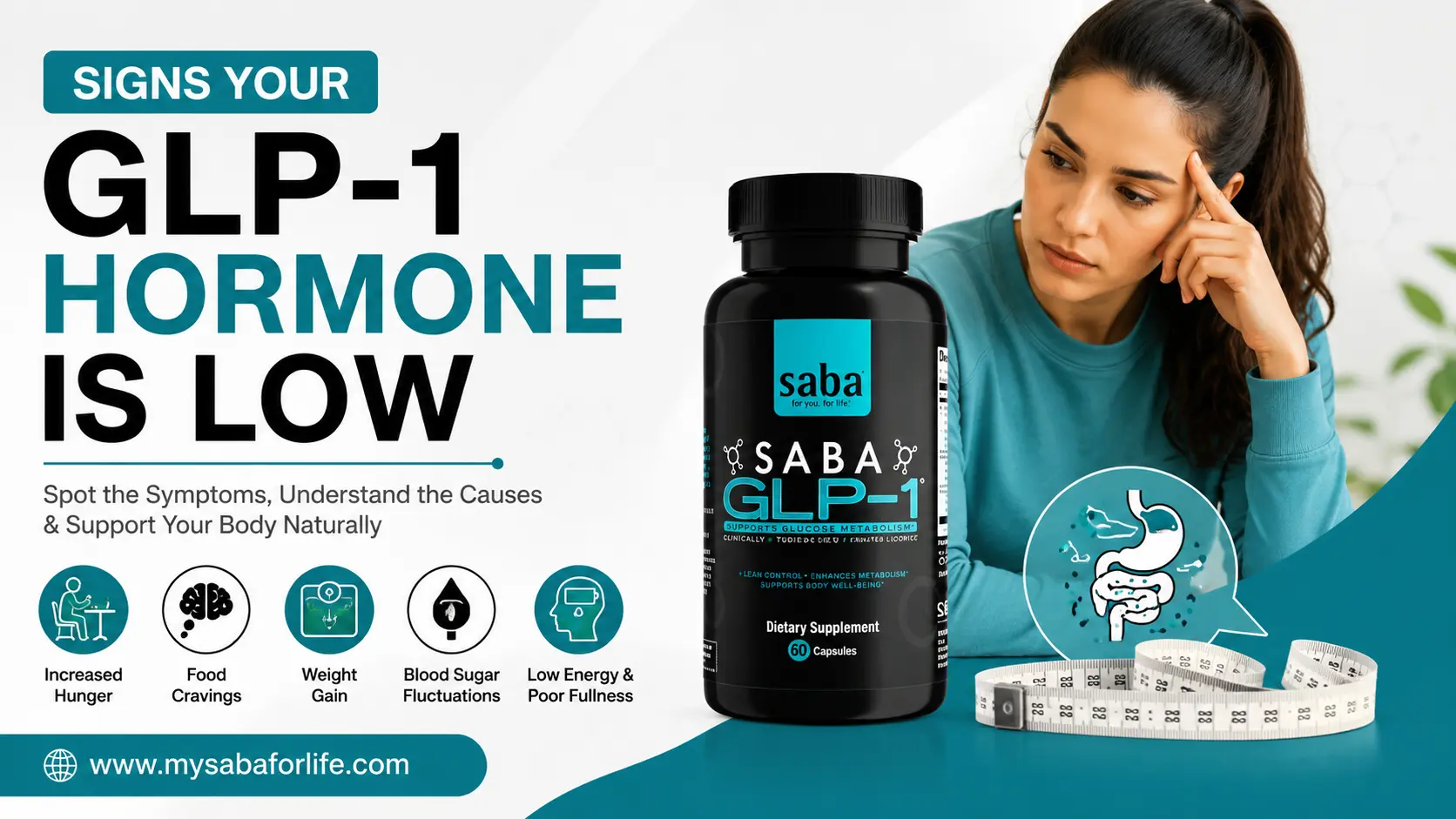
If you’re constantly hungry, struggle to feel full after meals, experience frequent food cravings, or find weight management harder than it used to be, you may wonder whether your GLP-1 hormone is low.
GLP-1 is involved in appetite, fullness, digestion, and blood sugar regulation. But there’s an important point to understand: these symptoms alone cannot confirm low GLP-1 levels or a GLP-1 deficiency. Many of the same signs can be linked to sleep, stress, insulin resistance, diet, medications, or other hormonal and metabolic changes.
Here are the signs worth paying attention to.
1. You’re Hungry Again Soon After Eating
One of the most common concerns is feeling hungry shortly after a meal.
GLP-1 contributes to satiety, so changes in appetite regulation may affect how satisfied you feel. However, frequent hunger doesn’t automatically mean your GLP-1 is low.
A meal that lacks protein or fiber can also leave you hungry quickly. Poor sleep and increased stress may have a similar effect.
2. You Don’t Feel Satisfied After Meals
If you regularly finish a full meal but still feel like you could eat more, your overall appetite regulation may be worth examining.
GLP-1 is one of several signals involved in fullness. Protein, fiber, meal size, eating speed, sleep, and stress can all influence how satisfied you feel.
If this happens consistently, look at the complete pattern rather than assuming you have a GLP-1 deficiency.
3. Food Cravings Feel Difficult to Control
Persistent cravings—especially for sweets or highly processed foods—are another reason people search for low GLP-1 symptoms.
GLP-1 is involved in appetite and food-intake signaling, but cravings are not controlled by one hormone. Stress, inadequate sleep, restrictive dieting, emotional eating, and highly processed foods can all increase cravings.
4. You’re Struggling With Weight Management
GLP-1 and weight loss are closely connected, which is why GLP-1 medications have received so much attention.
But difficulty losing weight doesn’t necessarily mean you have low GLP-1 levels.
Weight can be affected by calorie intake, muscle mass, physical activity, sleep, stress, insulin resistance, medications, thyroid function, and hormonal changes.
If your weight has changed unexpectedly, it’s more useful to investigate the underlying factors than to assume a hormone deficiency.
5. Your Blood Sugar Is Frequently Elevated
GLP-1 helps the body respond to food and supports insulin release when blood glucose rises.
If your blood sugar is consistently elevated, however, low GLP-1 is only one possible explanation—and it isn’t necessarily the most likely one.
Insulin resistance, prediabetes, diabetes, diet, inactivity, medications, and genetics can all affect blood glucose.
If you regularly have high glucose readings, speak with a healthcare professional rather than trying to increase GLP-1 on your own.
6. You’re Constantly Thinking About Food
Feeling as though you’re thinking about food all day can make weight management exhausting.
GLP-1 is involved in appetite regulation, but so are other hormones and signals, including ghrelin, leptin, insulin, and peptide YY.
Your eating habits, sleep, stress, meal composition, and environment can also influence food thoughts and hunger.
Can You Test for Low GLP-1?
There isn’t a simple home test that can tell you whether your everyday GLP-1 levels are too low.
GLP-1 is released in response to meals and is rapidly broken down, making routine measurement more complicated than testing blood glucose or cholesterol.
If you’re experiencing persistent hunger, unexplained weight changes, or blood sugar problems, a healthcare professional can evaluate the broader picture instead of relying on symptoms alone.
How to Support Healthy GLP-1 Naturally
If you’re looking for natural GLP-1 support, focus on habits that support appetite and metabolic health rather than relying on a single food or supplement.
Eat More Protein and Fiber
Protein-rich foods and high-fiber foods can help improve fullness and may influence gut hormone signaling.
Good choices include eggs, Greek yogurt, fish, lean meats, beans, lentils, vegetables, oats, berries, chia seeds, and whole grains.
Prioritize Whole Foods
Build meals around protein, vegetables, fiber-rich carbohydrates, and healthy fats. These meals are generally more satisfying than meals dominated by refined carbohydrates and added sugars.
Get Enough Sleep
Poor sleep can increase hunger and cravings and make appetite harder to manage. Consistent, quality sleep should be part of any healthy weight-management strategy.
Stay Active
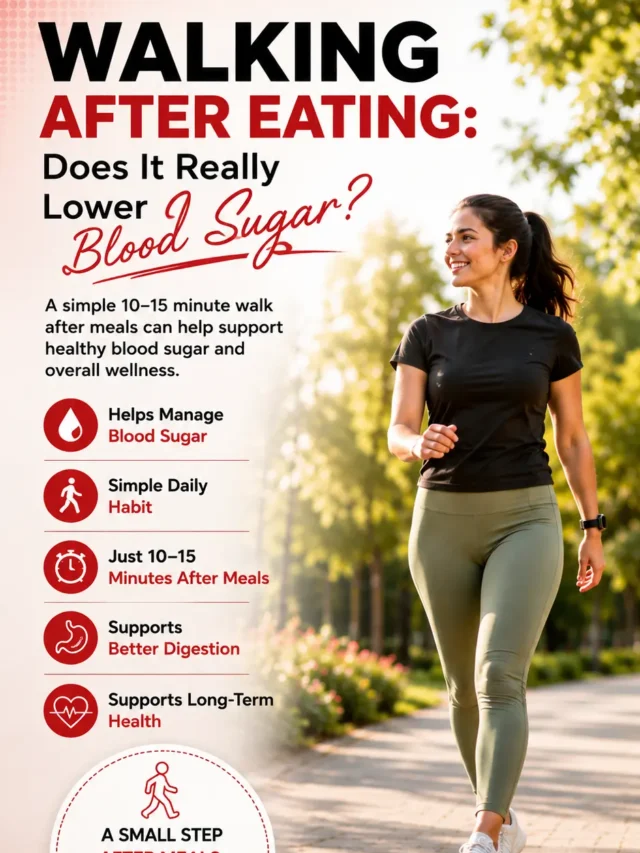
Regular walking, resistance training, cycling, swimming, or other forms of physical activity can support insulin sensitivity and overall metabolic health.
Are GLP-1 Supplements Worth Taking?
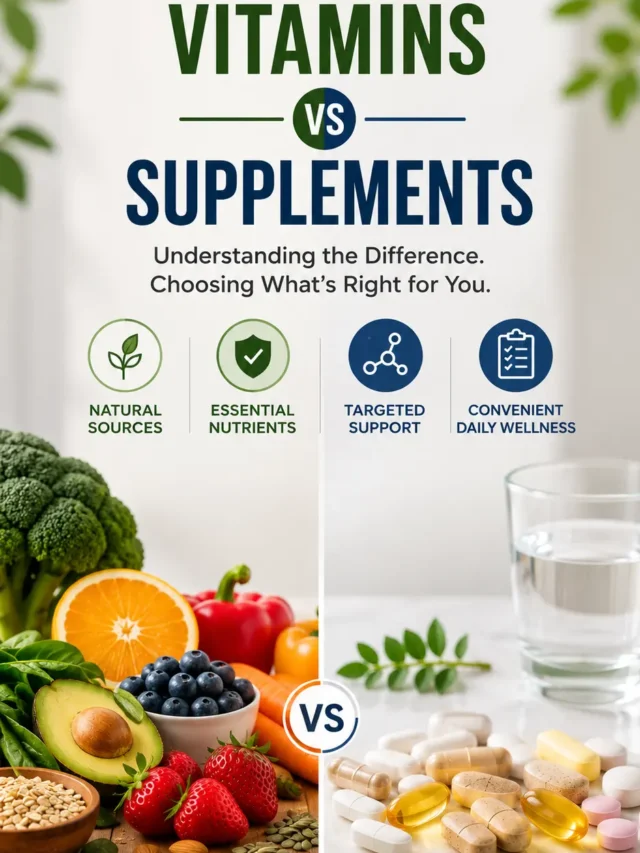
You may see products marketed as natural GLP-1 supplements or “GLP-1 boosters.”
Be cautious with these claims. A supplement marketed for GLP-1 support isn’t equivalent to a prescription GLP-1 medication, and the evidence behind individual products can vary considerably.
If you take medications or have diabetes, discuss supplements with your healthcare professional before using them.
When to See a Doctor
Don’t assume that increased hunger or weight gain means your GLP-1 is low.
Talk with a healthcare professional if you have persistent or unexplained:
- Weight gain or weight loss
- Excessive hunger
- Increased thirst
- Frequent urination
- Fatigue
- Elevated blood sugar
- Significant changes in appetite
These symptoms can have several causes, including insulin resistance, prediabetes, diabetes, thyroid problems, medication effects, stress, sleep problems, and hormonal changes.
Final Thoughts on Signs Your GLP-1 Hormone Is Low
The signs your GLP-1 hormone is low aren’t specific enough to diagnose a GLP-1 deficiency on their own.
Frequent hunger, poor satiety, cravings, difficulty managing weight, and blood sugar changes may involve appetite and metabolic pathways influenced by GLP-1, but they can also result from many other factors.
If these changes are persistent, focus on the bigger picture: protein and fiber-rich foods, regular physical activity, adequate sleep, and appropriate medical testing when needed.
Understanding your symptoms is useful. Trying to diagnose a hormone problem from symptoms alone isn’t.
FAQs- About Signs Your GLP-1 Hormone Is Low
1. What are the signs your GLP-1 hormone is low?
Common concerns associated with low GLP-1 activity may include increased hunger, difficulty feeling full after meals, frequent food cravings, and challenges with weight management. However, these symptoms are not specific to low GLP-1 and can have several other causes.
2. How do you know if your GLP-1 levels are low?
There is no simple at-home test that can reliably determine whether your everyday GLP-1 levels are low. If you have persistent hunger, unexplained weight changes, or blood sugar concerns, a healthcare professional can evaluate your symptoms and overall metabolic health.
3. Can low GLP-1 cause weight gain?
GLP-1 plays a role in appetite regulation, fullness, and blood sugar control, so it is relevant to weight management. However, weight gain cannot be attributed to low GLP-1 alone. Sleep, diet, insulin resistance, medications, hormones, stress, and activity levels can also contribute.
4. How can I increase GLP-1 naturally?
Eating adequate protein and fiber, choosing minimally processed foods, staying physically active, and getting enough sleep may support healthy appetite and metabolic regulation. Foods such as beans, lentils, vegetables, oats, berries, eggs, and Greek yogurt can be part of a balanced approach to natural GLP-1 support.
5. What happens when GLP-1 levels are low?
Because GLP-1 is involved in appetite and glucose regulation, changes in GLP-1 signaling may affect satiety and metabolic processes. However, there is no established set of symptoms that can diagnose a GLP-1 deficiency, so persistent appetite, weight, or blood sugar changes should be evaluated more broadly.