Best Probiotic for Women- Why Gut Health and GLP-1 Support Matter
From bloating and low energy to stubborn weight gain and mood swings, many women deal with symptoms that don’t always have clear answers. In many cases, the root cause starts in the gut. While probiotics are known for supporting digestion, research now shows a deeper connection between gut health, hormones, and GLP-1, a key hormone linked to appetite, metabolism, and blood sugar balance.
If your current probiotic routine isn’t giving full results, your body may need broader gut support.
Why Probiotics Matter for Women- Why Gut Health Matters for Women
Gut health plays a bigger role than just digestion. It directly affects hormones, mood, metabolism, and even skin and vaginal health. As women move through different life stages—like puberty, pregnancy, or menopause—the gut microbiome also changes.
An imbalance in gut bacteria may lead to:
- Bloating and digestive discomfort
- Acne and hormonal breakouts
- Low energy and brain fog
- Mood swings or anxiety
- Recurring yeast infections or UTIs
Certain probiotic strains such as Lactobacillus rhamnosus GR-1, Akkermansia muciniphila, and Clostridium butyricum help restore balance. They support digestion, reduce inflammation, and improve how the body processes hormones. However, probiotics alone may not be enough.
Best Probiotic for Women’s Weight Loss: Why GLP-1 Support Is the Game-Changer
GLP-1 (glucagon-like peptide-1) is a gut-derived hormone that helps regulate appetite, blood sugar, and fat metabolism. When GLP-1 levels are optimal, your body naturally:
- Feels fuller for longer
- Craves less sugar
- Burns fat more efficiently
Struggling to Lose Weight? The Best Probiotic for Women Includes GLP-1 Support
If you’ve tried diet after diet with no success, the issue may not be willpower—it might be your biology. Low GLP-1 levels can sabotage weight loss efforts, even if you’re eating clean and taking probiotics.
Understanding the GLP-1 Connection
GLP-1 (glucagon-like peptide-1) is a hormone produced in the gut that helps regulate:
- Appetite and fullness
- Blood sugar levels
- Fat metabolism
When GLP-1 levels are optimal, you feel fuller for longer and experience fewer cravings. But factors like stress, aging, and diet can reduce GLP-1 levels, making weight management more difficult.
Standard probiotics help with digestion, but they don’t directly increase GLP-1. Research suggests that combining probiotics with prebiotics and certain plant compounds (like fiber-rich foods or natural extracts) may support better GLP-1 activity.
Best Probiotic for Women’s Mood and Mental Clarity: Why Gut Hormones Matter
Ever feel foggy, anxious, or unmotivated for no clear reason? Your gut might be the culprit. The gut-brain axis is the communication highway between your digestive system and your brain, and it’s largely influenced by your microbiome and GLP-1.
Feeling Foggy or Moody? Why Women Need More Than Just a Probiotic
While probiotics help regulate neurotransmitter production (like serotonin), they may not be enough to support stable mood and cognitive clarity without GLP-1.
Improve Mood and Focus Naturally: Probiotics and GLP-1 for Women’s Brain Health
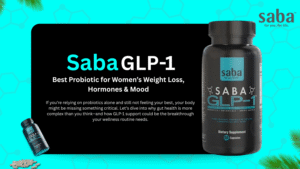
Saba GLP-1™ supports both probiotic balance and GLP-1 production, giving you a holistic approach to emotional wellbeing.
For Menopause & Hormonal Balance
Best Probiotic for Women in Menopause: GLP-1 and Gut Health Explained
As estrogen declines during menopause, many women experience weight gain, hot flashes, mood swings, and digestive issues. The gut microbiome plays a major role in how your body metabolizes estrogen—and probiotics can help restore this balance.
Balancing Hormones Naturally: The Best Probiotics for Women Over 40
Targeted strains like Akkermansia muciniphila and Clostridium butyricum help strengthen gut lining and support metabolic and hormonal balance in women 40+.
Menopausal Symptoms? Probiotics and GLP-1 Can Help You Feel Like You Again
By supporting natural GLP-1 production, Saba GLP-1™ helps alleviate menopausal symptoms while promoting gut-brain harmony. General Hormonal Health & Gut Wellness
Best Probiotics for Women’s Hormonal Balance: Why GLP-1 Support Is Essential
Hormonal imbalance isn’t just a menopause problem. Women of all ages experience it due to stress, diet, and lifestyle. Gut health is at the center of it all.
The Complete Guide to Gut Health and Hormones for Women
Your gut regulates estrogen, insulin, cortisol, and GLP-1. Without balance, even your best health efforts can fall flat.
From Bloating to Hormonal Imbalance: Why Probiotics Alone Aren’t Enough
A probiotic can only go so far. Pairing it with GLP-1 support is the smarter path to long-term wellness.
Gut Health, Mood, and Mental Clarity
The gut and brain are closely connected. In fact, about 90% of serotonin (a key mood hormone) is produced in the gut.
While probiotics support gut balance, GLP-1 may also play a role in:
- Improving focus
- Reducing inflammation
- Supporting emotional stability
If you’re experiencing brain fog or mood changes, your gut health—and possibly GLP-1 levels—could be contributing factors.
Meet Your Gut’s Unsung Hero: GLP-1
GLP-1 is more than a buzzword—it’s your body’s internal switch for appetite control, metabolism, blood sugar, and hormone balance.
But stress, aging, poor diet, and inflammation can reduce GLP-1 production. And without enough GLP-1, even the best probiotics won’t bring full-body relief.
Why Saba GLP-1™ Is the Next Evolution of Women’s Gut Health
Unlike standard probiotics, Saba GLP-1™ takes a 3-in-1 approach:
- Targeted Probiotics: Including clinically studied strains like Akkermansia muciniphila and Clostridium butyricum
- Prebiotic Fiber Matrix: Feeds healthy bacteria, boosts satiety, and supports digestion
- GLP-1 Activation Blend: Plant compounds that stimulate your body’s own GLP-1 hormone
Bonus Benefits:
- Reduces inflammation
- Improves skin clarity
- Supports mood and focus
Signs You May Need More Than a Probiotic
Consider upgrading your gut health routine if you experience:
- Persistent bloating or irregularity
- Unexplained weight gain or sugar cravings
- Mood swings or anxiety
- Brain fog and low motivation
- Hormonal symptoms (PMS, PCOS, menopause)
- Recurring infections or skin breakouts
Probiotic Foods vs. Supplements—And Why Saba GLP-1™ Is Different
Probiotic Foods Are Great, But Limited
- Most fermented foods contain 1–2 strains
- Strains may not survive digestion
- No GLP-1 support
Saba GLP-1™ Stands Apart
- Clinically supported probiotic strains
- Prebiotic matrix for better gut nourishment
- Natural GLP-1 activation
- Time-release formula for better absorption
It’s everything your gut and hormones need—and nothing they don’t.
Final Takeaway: Don’t Just Fix Your Gut—Support Your Whole Self
Women’s health is complex, but the answer doesn’t have to be. By going beyond basic probiotics and supporting GLP-1 production, you can:
- Boost your energy
- Balance your mood
- Control cravings
- Support healthy weight
- Feel like yourself again
Hormonal Changes and Menopause Support
During menopause, estrogen levels drop, which can impact metabolism, weight, and digestion. The gut helps regulate estrogen levels, so maintaining a healthy microbiome becomes even more important.
Certain beneficial bacteria support gut lining health and hormone balance, while GLP-1 support may help manage:
- Blood sugar fluctuations
- Increased cravings
- Energy levels
Signs You May Need Better Gut Support
You might benefit from improved gut and metabolic support if you notice:
- Ongoing bloating or irregular digestion
- Unexplained weight gain
- Sugar cravings
- Low energy or motivation
- Mood swings
- Hormonal imbalance symptoms
Food vs Supplements: What Works Better?
Fermented foods like yogurt, kefir, and kimchi are helpful, but they usually contain limited strains and lower potency.
A high-quality supplement may offer:
- Multiple clinically studied strains
- Prebiotic fiber for better absorption
- Support for metabolic health (including GLP-1 pathways)
- Delayed-release capsules for effectiveness
FAQs
What is the best probiotic for women?
Look for multi-strain formulas that include Lactobacillus, Akkermansia, and other clinically studied bacteria.
Do probiotics help with hormones?
They support gut health, which plays a role in hormone balance, but they may work best alongside diet and lifestyle changes.
Can gut health affect weight?
Yes, the gut microbiome and hormones like GLP-1 influence metabolism and appetite.
Are probiotic supplements safe?
Most are safe for general use, but it’s best to consult a healthcare provider if you have existing conditions.
What is the best probiotic for women with hormonal issues?
A multi-strain probiotic with Akkermansia, Clostridium butyricum, and Lactobacillus rhamnosus is ideal for hormonal and gut health.
Can probiotics help with GLP-1 production?
Not directly. However, Saba GLP-1™ combines probiotics with herbs that naturally support your body’s GLP-1 levels.
How do I know if I need GLP-1 support?
If you experience ongoing bloating, cravings, fatigue, or weight gain despite a healthy lifestyle, low GLP-1 may be the cause.
Is Saba GLP-1™ safe to use?
Yes, it’s all-natural and non-prescription. But always consult your healthcare provider before starting any new supplement.
Ready to Try a Smarter Gut Health Solution?
Don’t settle for partial results. Saba GLP-1™ is a next-generation solution designed to help women feel energized, balanced, and in control.
Shop now at sabaforlife.com or talk to a Saba Promoter to experience the difference for yourself.
Disclaimer: Always consult your healthcare provider before starting any new supplement. This product is not intended to diagnose, treat, cure, or prevent any disease. Results may vary. Saba GLP-1™ does not contain synthetic GLP-1 and is not a GLP-1 agonist drug. This product has not been evaluated by the FDA. Sustainable weight loss requires a balanced diet and healthy lifestyle. Always follow label instructions.