
Immune System and Weight Loss- Can Better Immunity Support Healthy Weight?
You eat clean most days. You move your body. You take your vitamins. And yet the scale won’t budge — and you catch every cold that goes around the office.
These two frustrations feel unrelated. They’re not. Your immune system and your weight are run by the same control center: your gut. When one is out of balance, the other usually follows. This article breaks down the real science behind that link — and what you can actually do about it.
Your Gut Is Where Immunity and Weight Actually Live
Here’s the number that surprises most people: roughly 70–80% of your immune system is housed in your gut lining. Not your bloodstream. Not your lymph nodes. Your gut.
That same gut is also where your body decides how it processes food, stores fat, and signals hunger to your brain. The trillions of bacteria living there — collectively called your gut microbiome — talk constantly with both your immune cells and your metabolism. When the microbiome is diverse and balanced, it helps regulate inflammation, train immune cells to respond appropriately, and support healthy blood sugar and fat storage.
When it’s out of balance — a state called dysbiosis — both systems misfire at the same time. That’s not a coincidence. It’s the same root cause showing up two different ways.
The Inflammation Loop: How a Weak Gut Sabotages Weight Loss
Here’s where it gets practical. An imbalanced gut allows more inflammatory compounds to slip into your bloodstream through a “leakier” intestinal lining. Your immune system responds the way it’s supposed to — by triggering low-grade, chronic inflammation.
The problem is that chronic inflammation:
- Interferes with insulin sensitivity, making it easier to store fat and harder to burn it
- Disrupts leptin signaling, the hormone that tells your brain “you’re full” — so cravings and overeating increase
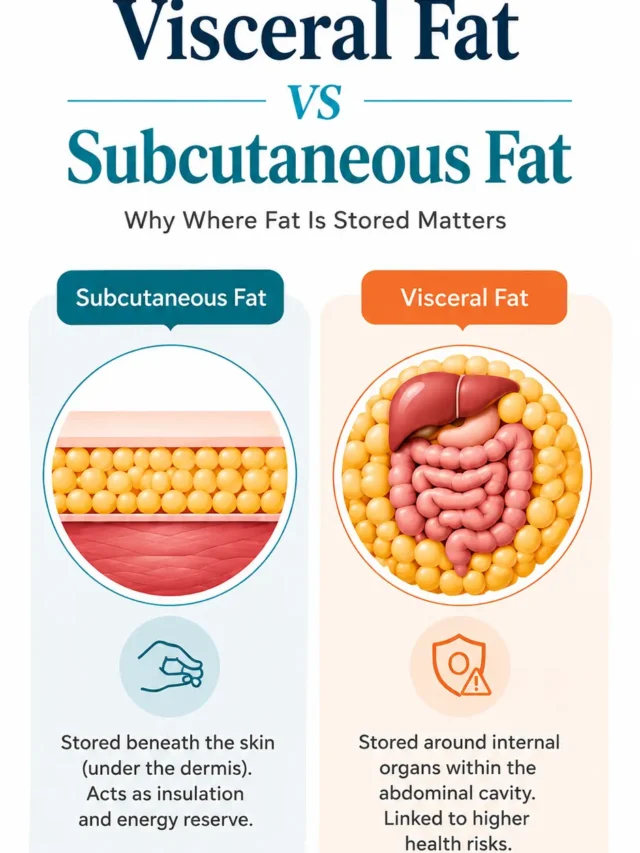
- Keeps cortisol elevated, which encourages the body to hold onto visceral (belly) fat
- Diverts energy toward immune “firefighting” instead of metabolic efficiency
In other words: a compromised immune response doesn’t just make you sick more often. It quietly works against every weight loss effort you’re making.
Why Stress and Poor Sleep Make Both Problems Worse
Chronic stress and poor sleep are two of the fastest ways to damage both immunity and metabolism at once.
Stress raises cortisol, which suppresses immune function while simultaneously increasing fat storage — particularly around the midsection.
Poor sleep reduces the production of infection-fighting cytokines and disrupts ghrelin and leptin, the two hormones that control hunger and fullness. That’s why one bad night of sleep can leave you both immune-vulnerable and reaching for sugar the next day.
If your weight loss plan only accounts for food and exercise — and ignores stress, sleep, and gut health — you’re only solving part of the equation.
Signs Your Immune-Metabolic System Is Out of Balance
You don’t need a lab test to notice the early warning signs:
- Getting sick more often than usual, or taking longer to recover
- Persistent bloating or digestive discomfort
- Weight that won’t shift despite consistent effort
- Afternoon energy crashes
- Sugar or carb cravings that feel hard to control
- Skin issues that flare up unpredictably
If several of these sound familiar, the fix likely isn’t “eat less and move more” — it’s rebuilding the gut-immune foundation underneath your metabolism.
How to Naturally Support Immunity and Weight Loss Together
Because these two systems are linked, the good news is that fixing one tends to help the other.
1. Feed your gut bacteria daily. Fiber-rich foods (vegetables, legumes, oats) and fermented foods (yogurt, kefir, sauerkraut, kimchi) feed the beneficial bacteria strains — like Lactobacillus and Bifidobacterium — that support both digestion and immune signaling.
2. Prioritize a probiotic with the right strains. Not all probiotics are created equal. Look for formulas that specifically combine probiotic and prebiotic support, since prebiotics “feed” the good bacteria you’re introducing.
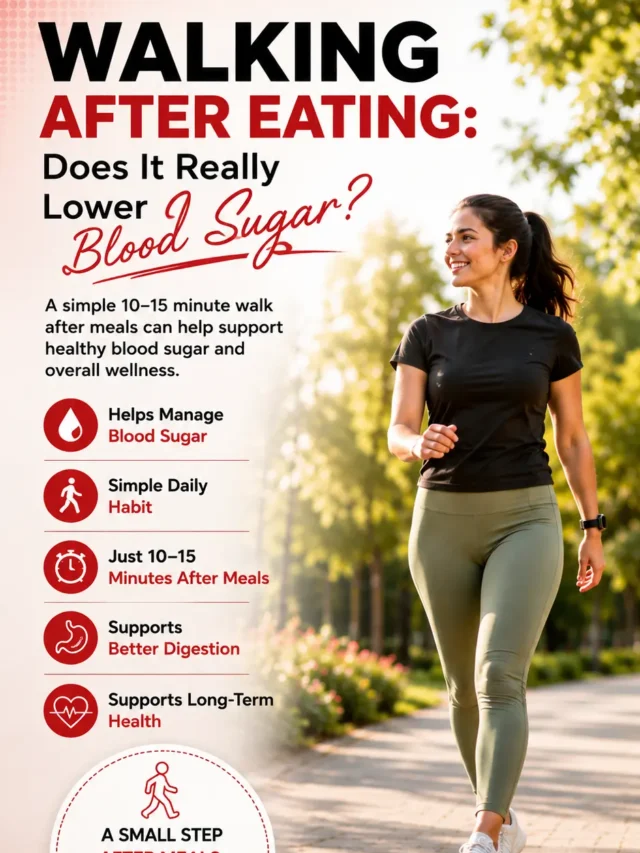
3. Manage cortisol. Even 10 minutes of daily walking, breathwork, or consistent sleep timing measurably lowers cortisol and takes pressure off both your immune system and your fat-storage hormones.
4. Support natural GLP-1 production. GLP-1 isn’t just a weight-management hormone — it’s produced in the gut and is directly influenced by your microbiome’s health. A gut that’s inflamed or imbalanced produces less of it naturally.
5. Don’t neglect sleep. Aim for consistency over perfection — the same bedtime and wake time daily does more for immune and metabolic recovery than occasional long sleep-ins.
If immunity specifically is your bigger concern right now, you can also explore our full Immunity Boosters collection for targeted natural support.
FAQs-Immune System and Weight Loss
Does a weak immune system cause weight gain?
Not directly — but the chronic inflammation that comes with an imbalanced immune response can disrupt insulin sensitivity and hunger hormones, making weight gain more likely and weight loss harder.
Can improving gut health help me lose weight?
Yes. A healthy, diverse gut microbiome supports better blood sugar regulation, reduced inflammation, and healthier hunger signaling — all of which support sustainable weight management.
What foods boost both immunity and metabolism?
Fiber-rich vegetables, fermented foods like yogurt and kimchi, lean protein, and foods rich in polyphenols (berries, green tea) support both the gut microbiome and immune function simultaneously.
How long does it take to rebalance gut and immune health?
Most people notice early digestive and energy improvements within 2–4 weeks of consistent dietary and supplement support, with more significant metabolic shifts over 8–12 weeks.



Disclaimer-
These statements have not been evaluated by the Food and Drug Administration. This product is not intended to diagnose, treat, cure, or prevent any disease. Individual results may vary.