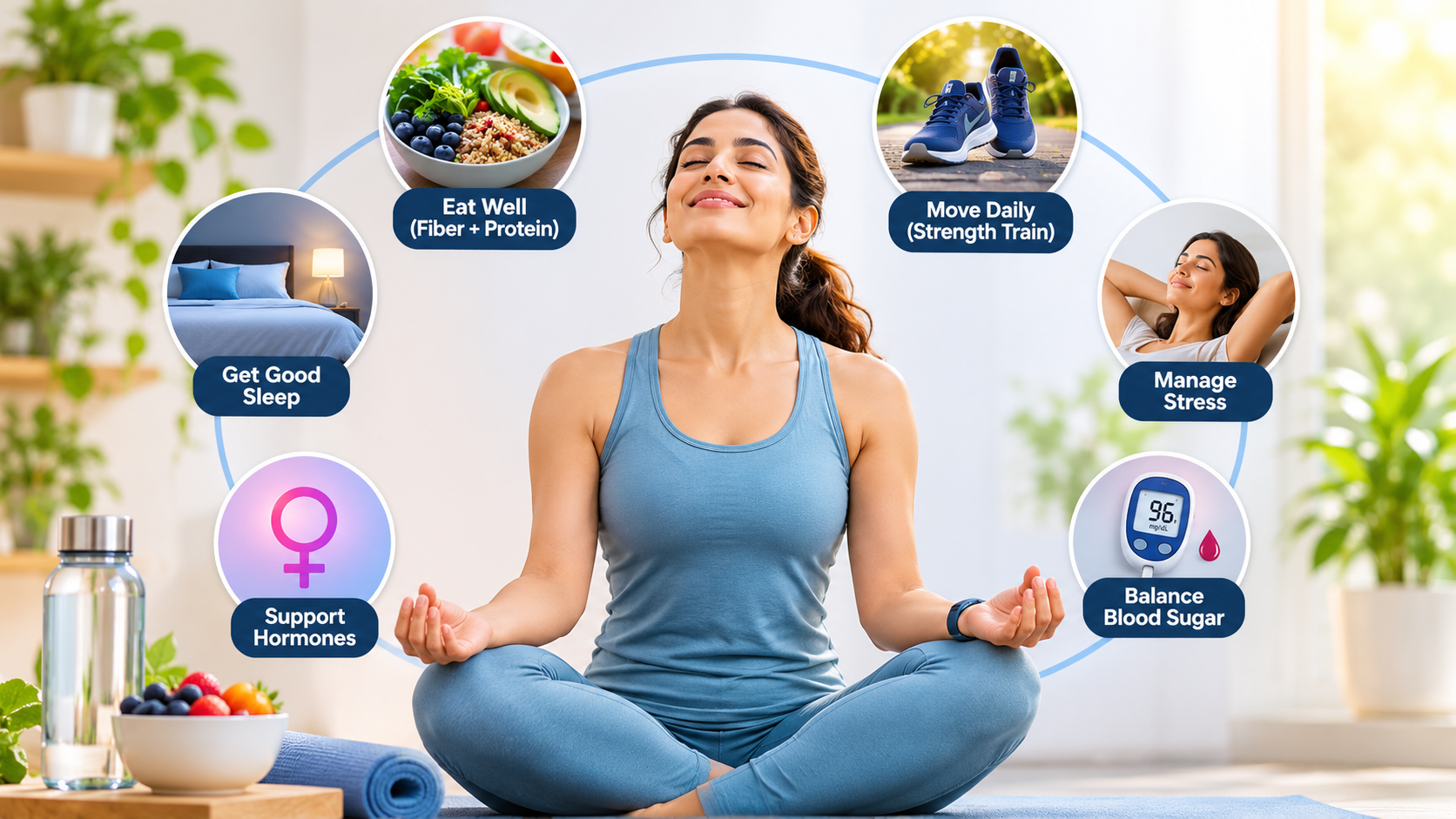
If you have ever felt a sharp energy crash two hours after lunch, or found yourself craving sweets in the afternoon, you have already met your blood sugar. Natural blood sugar support is about helping your body handle glucose smoothly through daily habits: what you eat, how you move, how well you sleep, and how you manage stress.
This guide explains how blood sugar works, why a gut hormone called GLP-1 gets so much attention, which habits have the best evidence, and what research actually says about popular ingredients like berberine and cinnamon. It also tells you where supplements fit, and where they do not.
Why natural blood sugar support matters
Diabetes is common and often unnoticed. The International Diabetes Federation (IDF) estimates that about 589 million adults aged 20–79, roughly 1 in 9, were living with diabetes in 2024, and that around 4 in 10 of them did not know it. Most of these cases are type 2 diabetes, which is strongly shaped by lifestyle and develops gradually.
Before type 2 diabetes appears, many people pass through a stage of rising insulin resistance. It can show up as:
- Frequent sugar cravings
- Energy crashes after meals
- Gradual weight gain, especially around the waist
- Needing more and more food to feel satisfied
These signs are not a diagnosis. Only a blood test (fasting glucose, HbA1c or an oral glucose tolerance test) can tell you where you stand. If you suspect a problem, get tested first. Natural blood sugar support works best as a long-term habit, and it works best when you know your numbers.
How blood sugar and insulin work
When you eat carbohydrates, your digestive system breaks them into glucose, which enters the bloodstream. Your pancreas releases insulin, which helps cells absorb that glucose for energy. When cells respond poorly to insulin (insulin resistance), the pancreas has to produce more, and glucose stays higher for longer.
Three things push this system off balance over time: diets heavy in refined carbohydrates and sugary drinks, long periods of sitting, and poor sleep or chronic stress. The good news is that each of these can be improved without extreme measures.
What GLP-1 is and why it matters for blood sugar
GLP-1 (glucagon-like peptide-1) is a hormone released by cells in your gut after you eat. It helps your body respond to a meal in three ways:
- It prompts the pancreas to release insulin when glucose is high.
- It slows how quickly the stomach empties, which softens glucose spikes.
- It signals fullness to the brain, which can reduce overeating.
This is why GLP-1 became the target of a well-known class of prescription medicines. It is important to be clear about the difference: those drugs are prescribed and monitored by doctors, and they act at far higher levels than your body produces naturally. Lifestyle habits and supplements cannot replicate them. What you can do is support your own gut-hormone signalling through diet quality, fibre intake and overall metabolic health, and early research suggests that gut bacteria and fibre play a role here, though the science is still developing.
5 habits that give natural blood sugar support
1. Build meals around protein, fibre and healthy fats
Refined carbohydrates and sugary drinks raise glucose quickly. Meals built around vegetables, legumes, whole grains, eggs, fish, nuts, curd and other protein sources are digested more slowly, so glucose rises more gently.
A simple plate method:
- Half the plate: non-starchy vegetables (spinach, bhindi, cabbage, salad, beans)
- A quarter: protein (dal, paneer, eggs, chicken, fish, tofu)
- A quarter: smart carbohydrates (brown rice, millets, whole wheat roti, oats)
- A spoon of healthy fat: ghee, olive oil, nuts or seeds
Some people also find that eating vegetables and protein before the carbohydrates on the plate leads to a smaller glucose rise. This is worth testing for yourself, especially if you use a glucose monitor under your doctor’s guidance.
2. Feed your gut with fibre and fermented foods
Your gut is where GLP-1 is released, so a healthy gut is part of natural blood sugar support. Fibre-rich foods (fruit with skin, vegetables, legumes, oats, whole grains) feed beneficial bacteria. Fermented foods such as curd, buttermilk, kefir, kimchi and idli/dosa batter add live cultures. Aim to add fibre gradually, and drink enough water as you do, to avoid bloating.
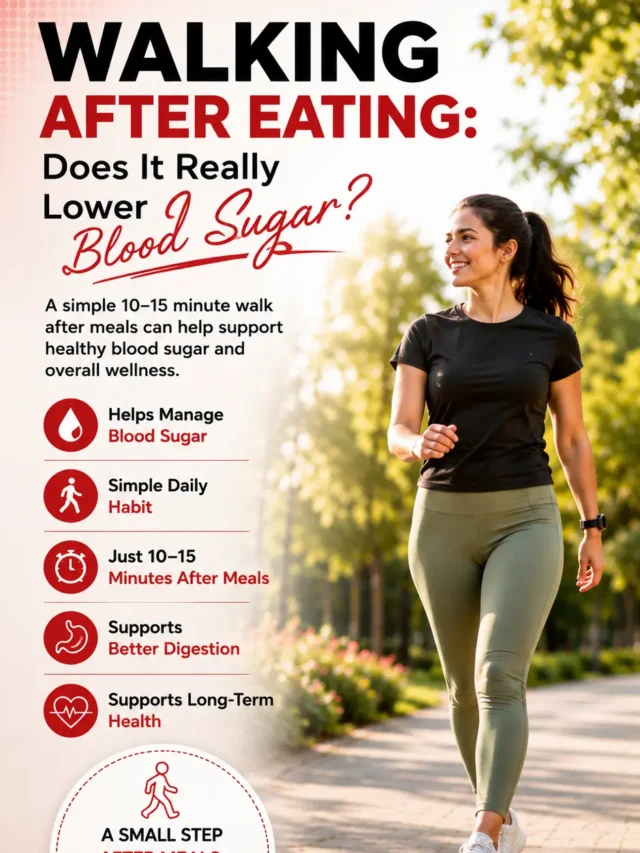
3. Walk after meals
This is one of the simplest habits with real evidence behind it. A 2023 systematic review and meta-analysis in Sports Medicine found that exercising after a meal reduced post-meal glucose rises compared with staying inactive, while exercising before the meal did not show a significant benefit over inactivity. Another analysis of seven studies found that breaking up sitting with just two to five minutes of walking helped lower blood sugar.
Practical version: a 10–15 minute easy walk after your biggest meals. If that is not possible, stand up and walk around for a few minutes after eating.
4. Protect your sleep
Short or broken sleep disrupts hormones that control hunger and make cells less responsive to insulin. Aim for 7–8 hours, keep a consistent bedtime, and cut screens and caffeine late in the day. If you snore loudly or wake unrefreshed, ask your doctor about sleep apnoea, which is linked to insulin resistance.
5. Manage stress
Chronic stress keeps cortisol elevated, which can push glucose higher and increase cravings for sugary, fatty food. Slow breathing, yoga, time outdoors, and regular movement all help. This is not a cure-all, but stress is a real input to blood sugar and it is often ignored.
What does the research say about berberine and cinnamon?
Two ingredients appear in many natural blood sugar support products. Here is what studies show, and what they do not.
Berberine. A 2022 systematic review and meta-analysis of randomized controlled trials, covering 37 studies and 3,048 patients with type 2 diabetes, found that berberine has a glucose-lowering effect, and that the effect was related to participants’ starting glucose and HbA1c levels. A 2024 analysis also found that berberine alone lowered fasting glucose and post-meal glucose in people with type 2 diabetes. Important limits: these trials were in people who already had type 2 diabetes, many were small, and berberine can interact with some medicines. That makes it a conversation to have with your doctor before you start.
Cinnamon. Several meta-analyses report lower fasting blood glucose in people with type 2 diabetes who took cinnamon supplements. However, results vary a lot between trials, with high heterogeneity in the pooled data, and a 2025 umbrella review described the overall findings across trials as inconsistent while still noting promise as an add-on to standard care. In plain terms: possibly helpful, not proven, and not a substitute for treatment.
Bottom line: the evidence for these ingredients is mostly in people with diabetes, effects are modest and variable, and none of this replaces food, movement, sleep and medical care.
Where does a supplement fit in?
Supplements can be a support on top of good habits, never a shortcut around them. If you are considering one:
- Talk to your doctor or pharmacist first, especially if you take diabetes medicines, blood thinners or blood-pressure medicines, are pregnant or breastfeeding, or have kidney or liver conditions.
- Never stop or reduce prescribed medicine because you started a supplement.
- Check the label for ingredient amounts, third-party testing and clear directions.
- Track how you feel and, if you monitor, your numbers, so you can judge for yourself whether it is doing anything.
One option in this category is Saba GLP-1, a dietary supplement that combines probiotics and prebiotics, plant compounds such as berberine and cinnamon extract, and amino acids. To be clear about what it is: it is not a drug, does not contain synthetic GLP-1, is not a GLP-1 agonist medicine, and is not intended to diagnose, treat, cure or prevent any disease. It is not a replacement for prescribed treatment. Statements here have not been evaluated by the FDA. You can also browse our natural GLP-1 support supplements and weight management supplements to compare options.
A simple 7-day starter plan for natural blood sugar support
| Day | Focus | Small action |
|---|---|---|
| 1 | Food | Add a vegetable or salad to lunch and dinner |
| 2 | Movement | 10-minute walk after dinner |
| 3 | Gut | Add curd, buttermilk or another fermented food |
| 4 | Swap | Replace one sugary drink with water or unsweetened tea |
| 5 | Sleep | Fixed bedtime, no screens for the last 30 minutes |
| 6 | Stress | 5 minutes of slow breathing or stretching |
| 7 | Review | Note energy, cravings, sleep; plan next week |
Start small. A habit you keep for six months beats a perfect week you quit.
When to see a doctor
Book a test and a conversation with your doctor if you have a family history of diabetes, a waist measurement above recommended ranges, high blood pressure, PCOS, or symptoms such as constant thirst, frequent urination, blurred vision, slow-healing wounds or unexplained weight loss. Natural blood sugar support is a complement to medical care, not a replacement.
FAQs About
What is the best natural blood sugar support?
There is no single best option. The habits with the most consistent evidence are a fibre-rich, protein-balanced diet, regular movement (including short walks after meals), enough sleep, and stress management.
Can natural methods lower blood sugar without medication?
For some people with early insulin resistance or prediabetes, lifestyle changes can make a meaningful difference. If you have diagnosed diabetes, do not stop medication without your doctor’s advice.
Does a GLP-1 supplement work like GLP-1 medicines?
No. Prescription GLP-1 medicines are drugs with specific, monitored effects. Supplements marketed for GLP-1 support are not drugs and cannot replicate them.
Is berberine safe?
Studies in people with type 2 diabetes have generally not shown more adverse events than control groups, but it can interact with some medicines and is not suitable for everyone, including during pregnancy. Ask your doctor first.
How long does it take to notice a difference?
Some people notice steadier energy and fewer cravings within a few weeks of consistent habits. Changes in lab values such as HbA1c reflect roughly the previous three months.
Is natural blood sugar support useful if I don’t have diabetes?
Yes. The same habits support energy, weight, heart health and long-term metabolic health. They are useful at any stage.
Key takeaways
- Natural blood sugar support starts with meals, movement, sleep and stress, not pills.
- A short walk after eating is one of the easiest, best-supported habits.
- Berberine and cinnamon have some research behind them, mostly in people with type 2 diabetes, with modest and variable results.
- Supplements are optional extras and never replace medical treatment.
- Get tested if you are at risk. You cannot manage what you have not measured.
Keep reading: Wellness hub · All articles · About Saba For Life