




Do you wake up feeling tired, struggle to concentrate during the afternoon, or depend on coffee to get through your day? If you often feel exhausted even when you try to get enough sleep, it may be time to look at your daily routine.
Learning how to not feel tired all the time starts with understanding what affects your energy. Your sleep schedule, eating habits, hydration, physical activity, stress levels, and even the timing of your caffeine intake can influence how you feel throughout the day.
Occasional tiredness is normal, especially after a busy day or a poor night’s sleep. However, feeling tired every day without an obvious reason deserves attention. The solution is not always another cup of coffee or a longer weekend lie-in. Sometimes, small changes to your everyday habits can make a meaningful difference.
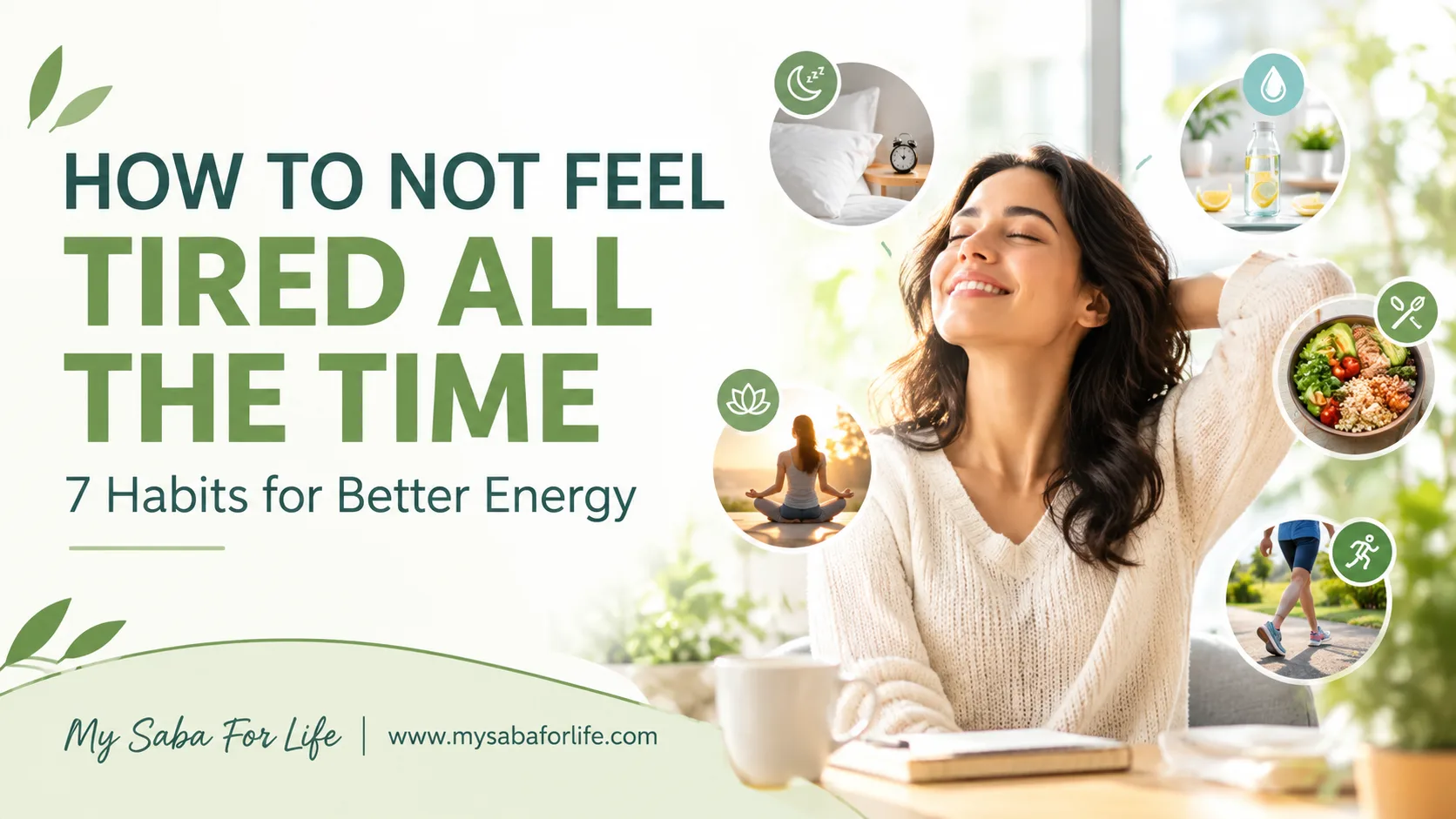
In this guide, you’ll discover seven practical ways to feel less tired, support better sleep, and maintain more consistent energy. You’ll also learn when ongoing tiredness may require medical advice.
Why Am I Tired All the Time?
There isn’t always one simple answer to why you feel tired throughout the day. Sometimes, the cause is an irregular sleep schedule or a demanding routine. In other cases, several factors may be contributing at once.
Common reasons for feeling tired include:
- Poor sleep quality: You may spend enough time in bed but still wake up tired if your sleep is frequently interrupted.
- Irregular eating habits: Skipping meals or not eating enough can make it harder to meet your body’s energy and nutritional needs.
- Dehydration: Not drinking enough fluids can contribute to tiredness, headaches, and difficulty concentrating.
- Too much caffeine: Caffeine consumed later in the day can interfere with sleep and contribute to next-day tiredness.
- Stress and mental overload: Persistent worry and emotional strain can affect sleep, concentration, and motivation.
- Too little physical activity: Spending most of the day sitting may contribute to lower energy and poorer sleep.
- Underlying health conditions: Iron-deficiency anaemia, thyroid disorders, diabetes, sleep apnoea, depression, and certain medications can cause tiredness.
The NHS guide to tiredness and fatigue explains that persistent tiredness can have lifestyle-related or medical causes. Identifying the likely reason is an important first step towards finding an appropriate solution.
1. Improve Your Sleep Schedule, Not Just Your Sleep Duration
One of the most useful ways to feel less tired is to establish a consistent sleep routine.
Going to bed late during the week, sleeping in on weekends, and using your phone until you feel sleepy can make your schedule unpredictable. Even when you spend enough time in bed, poor sleep quality may leave you feeling unrefreshed the next morning.
Most adults need approximately seven to nine hours of sleep each night, although individual needs vary.
What to do instead
Start with a few simple sleep habits:
- Go to bed and wake up at roughly the same time each day.
- Keep your bedroom dark, quiet, and comfortably cool.
- Reduce screen use and stimulating activities before bedtime.
- Avoid caffeine close to bedtime, particularly if you are sensitive to it.
- Create a relaxing evening routine, such as reading or listening to calming music.
Try not to judge your sleep routine by a single night. Give yourself time to establish a consistent pattern and notice whether your daytime energy improves.
If you regularly wake up gasping, snore loudly, or remain exhausted despite getting adequate sleep, discuss these symptoms with a healthcare professional. A sleep disorder may be affecting your rest.
2. Eat Balanced Meals to Support Steady Energy
Your body needs adequate food and nutrients to carry out everyday activities. Skipping meals, following an overly restrictive diet, or relying mainly on sugary snacks may leave you feeling hungry, weak, or less focused.
However, there is no single food that can eliminate tiredness. A balanced eating pattern is more useful than looking for a quick energy fix.
What to eat when you feel tired
Build meals around a combination of carbohydrates, protein, healthy fats, and fruits or vegetables.
For example:
- Breakfast: Oats with milk or yogurt and fruit.
- Lunch: Rice or whole-grain roti with lentils, vegetables, and another protein source if needed.
- Afternoon snack: Fruit with nuts, yogurt, or roasted chickpeas.
- Dinner: A balanced meal containing vegetables, carbohydrates, and protein.
Choose meal portions that suit your appetite, activity level, and nutritional needs. If you regularly go long periods without eating and notice that your energy drops, try planning meals or snacks in advance.
It is also worth paying attention to ongoing symptoms. Persistent tiredness can sometimes be related to iron, vitamin B12, or other nutritional deficiencies, but supplements should not be taken indiscriminately. A healthcare professional can help determine whether testing or treatment is appropriate.
3. Drink Enough Water Throughout the Day
Hydration is another everyday factor that can influence how you feel.
When you’re busy with work, studying, travelling, or household responsibilities, it is easy to forget to drink water. Dehydration can contribute to tiredness, dizziness, headaches, and reduced physical performance.
Drinking more water will not automatically increase energy if you are already adequately hydrated. The goal is to meet your body’s fluid needs consistently.
How to build better hydration habits
- Keep a water bottle near your workspace.
- Drink water regularly rather than waiting until you feel very thirsty.
- Pay extra attention to hydration in hot weather or after sweating.
- Include fluid-rich foods such as oranges, cucumbers, and soups in your diet.
- Notice whether headaches or tiredness coincide with low fluid intake.
Fluid needs vary depending on activity, climate, health, and other factors. People who have been advised to restrict fluids should follow their healthcare professional’s recommendations.
A simple routine can help you avoid accidentally going most of the day without drinking enough.
4. Reduce Your Dependence on Caffeine for Energy
Coffee and tea can temporarily increase alertness, making them useful for some people in moderation. The problem arises when caffeine becomes the main way you cope with inadequate sleep or persistent tiredness.
Caffeine consumed too late can make it harder to fall asleep or reduce sleep quality. This may lead to a familiar cycle: you sleep poorly, feel tired the next morning, drink more caffeine, and struggle to sleep again that night.
What to do instead
Start by reviewing when and how much caffeine you consume.
- Keep track of coffee, tea, energy drinks, and other caffeine sources.
- Move your last caffeinated drink earlier if it affects your sleep.
- Avoid using energy drinks as a substitute for adequate rest.
- Reduce high caffeine intake gradually to help minimise withdrawal symptoms.
- Replace some habitual caffeine breaks with water, a short walk, or a proper rest.
The NHS self-help guide to tiredness recommends paying attention to caffeine because its effects can last for several hours.
You do not necessarily have to stop drinking coffee. Instead, find a routine that supports alertness during the day without interfering with your sleep at night.
5. Add Gentle Movement to Your Daily Routine
When you’re already tired, exercise may sound like the last thing you need. Yet, regular physical activity can support general health, improve sleep, and help some people feel more energetic over time.
You don’t need to begin with a demanding gym session. Starting small is often easier to maintain.
Simple ways to move more
- Take a short walk during a break.
- Stand up and stretch after long periods of sitting.
- Walk while taking phone calls when practical.
- Try gentle yoga or mobility exercises.
- Choose an activity you enjoy so that it becomes easier to repeat.
Even a brief walk can be a manageable starting point. Increase activity gradually according to your fitness and health.
Important: Do not force yourself to exercise through unexplained or severe exhaustion. If mild activity causes a disproportionate or delayed worsening of symptoms, seek medical advice before increasing your exercise routine.
The aim is to support your health, not to push your body beyond what it can comfortably manage.
6. Manage Stress Before It Affects Your Sleep and Energy
Physical activity and nutrition are only part of the picture. Mental stress can also contribute to feeling tired throughout the day.
Work deadlines, financial worries, family responsibilities, and constant notifications can keep your mind active long after the working day ends. You may feel physically exhausted but still struggle to relax or fall asleep.
Over time, this can affect concentration, motivation, and your ability to feel rested.
Practical ways to manage daily stress
Try introducing small periods of recovery into your routine.
Take short breaks. Step away from demanding tasks instead of working continuously for hours.
Make your workload manageable. Break large tasks into smaller steps and prioritise what genuinely needs your attention.
Create a transition between work and rest. A short walk, a shower, reading, or listening to music can help you move into a calmer evening routine.
Practise relaxation. Slow breathing, mindfulness, or gentle stretching may help you unwind.
Protect your downtime. Avoid treating every free moment as an opportunity to catch up on unfinished work.
If stress, persistent low mood, or anxiety is affecting your sleep and everyday functioning, consider speaking with a qualified healthcare professional or mental health specialist.
You do not have to solve every source of stress to make your routine healthier. Even small, consistent changes can help create more room for recovery.
7. Recognise When Tiredness Needs Medical Attention
Lifestyle changes can help when tiredness is related to sleep, hydration, nutrition, or daily routines. But they cannot address every possible cause.
If you feel tired all the time despite making reasonable changes, it is important to consider whether an underlying health issue could be contributing.
Some conditions associated with persistent tiredness include:
- Iron-deficiency anaemia: May cause tiredness, weakness, pale skin, breathlessness, or noticeable heartbeats.
- Thyroid disorders: Can affect energy levels and may occur alongside changes in weight, mood, or temperature sensitivity.
- Diabetes: Tiredness may occur with increased thirst, frequent urination, or unexplained weight loss.
- Sleep apnoea: Can disrupt sleep and cause daytime tiredness, sometimes alongside loud snoring or gasping during sleep.
- Mental health conditions: Depression and anxiety can affect sleep, energy, and concentration.
- Medication effects: Some medicines can cause drowsiness or tiredness.
These symptoms do not establish a diagnosis on their own. A healthcare professional can review your symptoms, medical history, medications, and whether tests are needed.
When should you see a doctor?
Arrange a medical appointment if:
- You have felt tired for several weeks without a clear explanation.
- Tiredness is affecting your work, relationships, or daily activities.
- You regularly wake up exhausted despite getting enough sleep.
- You have additional symptoms such as unexplained weight loss, mood changes, unusual thirst, or breathlessness.
Seek urgent medical care for severe or sudden symptoms, particularly tiredness accompanied by chest pain, significant difficulty breathing, fainting, or confusion.
Persistent tiredness is not something you should automatically accept as part of a busy life. Finding the cause is more useful than repeatedly trying new energy drinks, supplements, or restrictive diets.
A Simple Daily Routine to Help You Feel Less Tired
You don’t need to change your entire lifestyle overnight. Start with a realistic routine that supports sleep, nutrition, hydration, movement, and relaxation.
Morning
- Wake up at a consistent time.
- Drink water.
- Eat a balanced breakfast if you are hungry and it suits your routine.
During the day
- Eat regular, balanced meals.
- Keep water available.
- Take short movement breaks.
- Use caffeine thoughtfully rather than relying on it to overcome exhaustion.
Evening
- Give yourself time to unwind.
- Reduce late-day caffeine if it affects your sleep.
- Keep bedtime reasonably consistent.
- Aim for enough sleep to wake feeling rested.
Try changing one or two habits first. Observe how you feel over the following days and weeks, then adjust your routine as needed.
Remember that improvements may take time, and a healthier routine is not a guarantee that all tiredness will disappear. Persistent symptoms deserve proper evaluation.
Conclusion: How to Not Feel Tired All the Time
Learning how to not feel tired all the time begins with understanding what your body may be responding to. Poor sleep, irregular meals, dehydration, excessive caffeine, limited movement, and ongoing stress can all contribute to low energy.
Start by building consistent sleep habits, eating balanced meals, drinking enough water, moving in ways that suit your health, and making time to relax. Small changes are often easier to maintain than an entirely new routine.
Most importantly, don’t ignore tiredness that continues for weeks, interferes with daily life, or comes with other unexplained symptoms. A healthcare professional can help identify whether a medical condition, medication, or nutritional issue needs attention.
The goal isn’t to feel energetic every minute of the day. It’s to build habits that support your well-being and recognise when your body needs rest, a change in routine, or professional care.
FAQs About How to Not Feel Tired All the Time
1. How can I stop feeling tired all the time?
Start by reviewing your sleep schedule, eating habits, hydration, caffeine intake, physical activity, and stress levels. Making these habits more consistent may improve energy. If tiredness persists for several weeks or affects daily life, consult a healthcare professional.
2. Why am I tired even after sleeping for eight hours?
Eight hours in bed does not always mean you have had restorative sleep. Frequent awakenings, insomnia, sleep apnoea, stress, medications, and certain medical conditions can leave you tired despite apparently adequate sleep. Repeatedly waking unrefreshed is worth discussing with a healthcare professional.
3. What foods help you feel less tired?
Balanced meals containing carbohydrates, protein, healthy fats, fruits, and vegetables help meet your body’s nutritional needs. Oats, whole grains, eggs, yogurt, lentils, beans, nuts, and fruit are practical choices. No single food can treat every cause of tiredness.
4. Does drinking more water help with tiredness?
It can help if dehydration is contributing to your symptoms. However, extra water is unlikely to improve tiredness caused by poor sleep, anaemia, thyroid problems, or other medical conditions when hydration is already adequate.
5. How can I have more energy without drinking coffee?
Try getting adequate sleep, eating balanced meals, drinking water regularly, taking short movement breaks, and managing stress. If you depend on caffeine every day because you are constantly exhausted, consider investigating the underlying reason.
6. Can a lack of exercise make you feel tired?
Yes, low physical activity can contribute to reduced fitness and may affect sleep and energy levels. Gentle, regular movement can help some people feel better over time. However, unexplained exhaustion or worsening symptoms after activity should be assessed rather than pushed through.
7. When is feeling tired all the time a sign of a health problem?
Tiredness may indicate an underlying health problem when it persists without an obvious cause, does not improve with rest, or interferes with everyday activities. Conditions such as anaemia, diabetes, thyroid disorders, and sleep apnoea can contribute. A healthcare professional can determine whether further evaluation is needed.