




Natural Energy Boosters for Afternoon Slumps
It’s 2:47 PM. You had a decent lunch, you’re not particularly stressed, and yet your eyelids feel like they’re made of lead and your brain has quietly checked out for the day. Sound familiar? This is the afternoon slump, and if you’re a student trying to get through an evening of studying or a professional staring down three more hours of meetings, it’s not just annoying — it can wreck your whole day.
I’ve dealt with this one long enough to know that reaching for a second or third coffee doesn’t really fix it. It buys you maybe 40 minutes before the crash hits even harder. So over time, I started looking into what actually causes this dip and what genuinely helps — and it turns out most of the real fixes have nothing to do with caffeine at all.
What’s Actually Going On
Turns out this isn’t just “you being lazy.” Your body runs on a circadian rhythm, and there’s a well-documented dip in alertness that happens six to eight hours after you wake up — for most people, that lands squarely in early afternoon. On top of that biological dip, you’ve usually got a few other things stacking up: a carb-heavy lunch pulling blood flow toward digestion, mild dehydration from a day of coffee and not enough water, and hours of sitting still staring at a screen. None of these individually feel like a big deal, but together they hit hard.
So the fix isn’t to override your body — it’s to work with it.
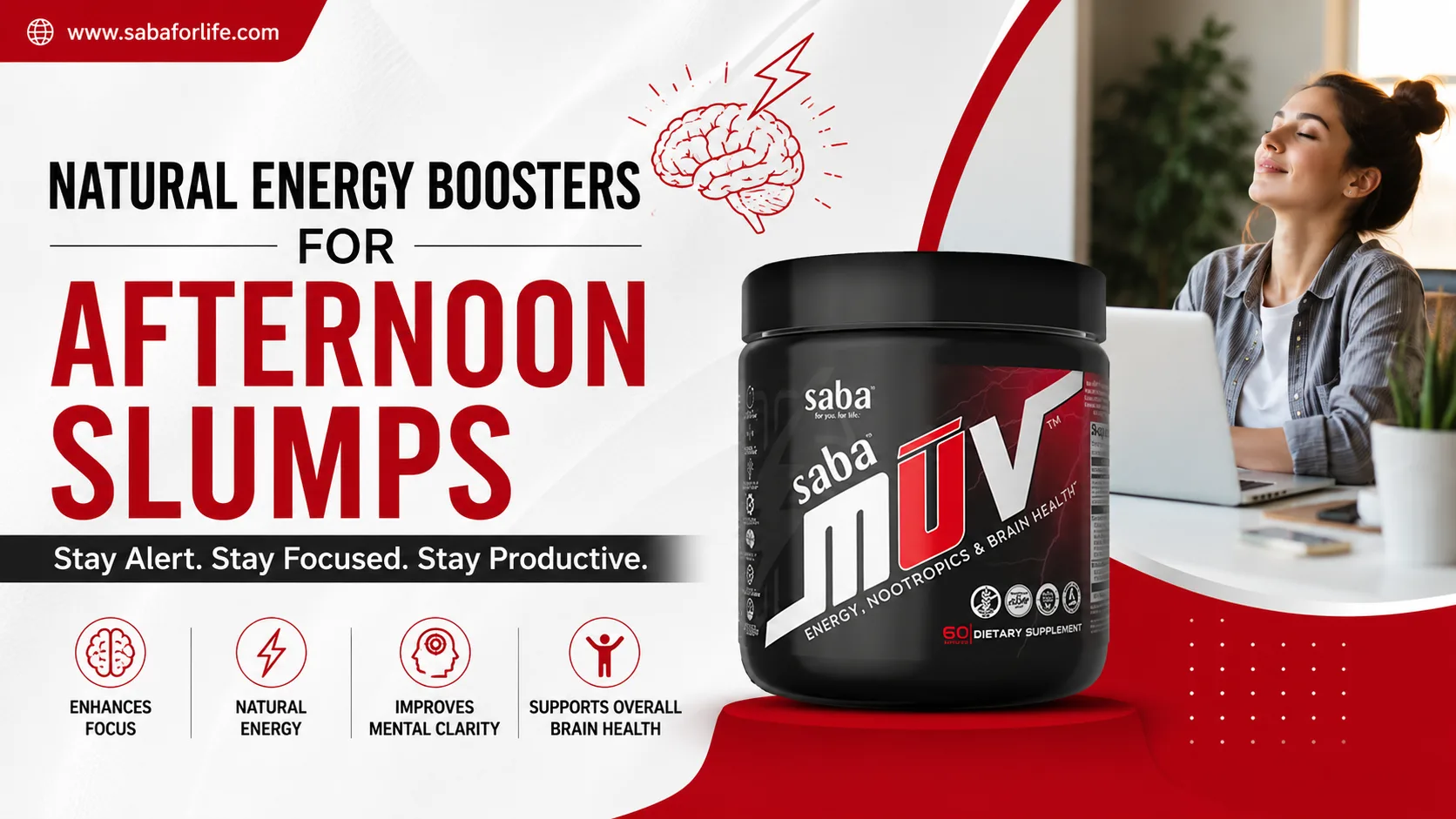
Why Coffee Isn’t the Best Solution for Afternoon Slumps
Water first, coffee second- This sounds too simple to matter, but it does. Even a small drop in hydration — we’re talking 1-2% — messes with concentration and mood. Before you reach for another cup, drink a full glass of water and give it ten minutes. A surprising number of “afternoon slumps” are really just your body asking for fluids.
Get outside, even for five minutes- I used to think this was a waste of time when I had deadlines to hit. It’s not. Natural light helps reset your internal clock and bumps up alertness almost right away, and the movement itself gets blood — and oxygen — moving to your brain. A short walk around the block or even standing on a balcony for a few minutes makes a real difference.
Skip the sugar, eat protein instead- Biscuits and chocolate feel like the obvious quick fix, but that sugar spike is followed by a crash that’s often worse than what you started with. Nuts, roasted chana, a boiled egg, yogurt — anything with protein or healthy fat digests slower and keeps your energy level instead of yo-yoing it.
A short nap beats a long one-If your schedule allows it, ten to twenty minutes of actual sleep can do more for your focus than an hour of scrolling your phone trying to “rest.” Go longer than that and you’ll wake up groggier than when you started, so set an alarm.
Breathe on purpose- Sitting hunched over a desk for hours means shallow breathing, which means less oxygen reaching your brain than you’d think. Box breathing — in for four counts, hold for four, out for four — takes about two minutes and clears the fog noticeably.
Move, even a little- You don’t need a workout. A quick stretch, a flight of stairs, even just standing up and shaking it out for a minute gets your heart rate up enough to send fresh oxygen where it’s needed. This is probably the fastest of all the natural energy boosters for afternoon slumps — the effect is almost immediate.
Keep peppermint or citrus nearby-There’s decent research behind scent and alertness — peppermint in particular. A stick of gum or a small essential oil roller at your desk is a low-effort way to get a quick mental reset between tasks.
Rethink lunch- A heavy, carb-loaded lunch is one of the biggest culprits behind the 2 PM wall. Digesting a big meal pulls blood toward your stomach and away from your brain. A lighter lunch with protein, fiber, and some healthy fat — instead of a plate of rice or bread — genuinely changes how the next few hours feel.
Watch what you’re feeding your brain long-term- This one’s less about the moment and more about the bigger picture. Omega-3s, B-vitamins, and amino acids all play a role in how your brain manages energy over the course of a day. Some people layer in a natural nootropic supplement alongside these habits — not as a replacement for sleep or hydration, but as extra support for focus and mental clarity when the day gets long. It’s one piece of the puzzle, not the whole answer.
Change your surroundings- Sometimes what feels like an energy crash is really just burnout from staring at the same four walls (or the same screen) for six hours straight. Switch seats, open a window, tidy your desk — small environmental resets can shake loose more focus than you’d expect.
Natural Energy Boosters for Afternoon Slumps Can Transform Your Productivity
The afternoon slump isn’t a flaw in your work ethic — it’s biology doing its thing. But you’re not stuck riding it out. A glass of water, a short walk, a better lunch, and a couple of these habits stacked together will get you further than another coffee ever will. Pick two or three that fit your day and try them this week — you’ll likely notice the difference by Thursday.
FAQs- Natural Energy Boosters for Afternoon Slumps
1.What are the best natural energy boosters for afternoon slumps?
The best natural energy boosters include staying hydrated, eating protein-rich snacks, taking a short walk, getting natural sunlight, practicing deep breathing, and maintaining a balanced lunch. These strategies help improve alertness without the crash associated with excessive caffeine.
2.Why do I always feel sleepy after lunch?
Feeling sleepy after lunch is usually caused by your body’s circadian rhythm combined with digestion. Heavy meals, dehydration, lack of movement, and poor sleep can make the afternoon energy dip feel even stronger.
3.How can I boost my energy naturally without coffee?
You can increase energy naturally by drinking water, stretching, walking outdoors, eating healthy snacks, taking a 10–20 minute power nap, and supporting brain health with nutrient-rich foods or natural nootropic supplements.
4.Which foods help prevent afternoon fatigue?
Foods rich in protein, healthy fats, and fiber—such as nuts, eggs, Greek yogurt, fruits, seeds, and vegetables—help maintain stable blood sugar levels and provide longer-lasting energy compared to sugary snacks.
5.Are natural nootropic supplements good for afternoon focus?
Some natural nootropic supplements may support focus, memory, and mental clarity when combined with healthy lifestyle habits. They should complement—not replace—adequate sleep, hydration, proper nutrition, and regular physical activity.
6.How long does the afternoon slump usually last?
For most people, the afternoon slump lasts between 30 minutes and two hours, typically occurring six to eight hours after waking. Staying active, hydrated, and eating balanced meals can help reduce its intensity.
Disclaimer: This content is for informational purposes only and is not a substitute for professional medical advice.