
How Much Fiber Do You Need Per Day?
When’s the last time you actually thought about fiber? Not vitamins, not protein, not your step count — fiber. If you’re like most people, the answer is “basically never.”
Most people know fiber is “good for digestion,” but very few know exactly how much fiber they need each day or why it matters so much for overall health. Dietary fiber affects far more than bowel regularity — it plays a direct role in gut health, blood sugar balance, cholesterol levels, immunity, and how full you feel after meals.
Yet studies show more than 90% of adults don’t meet their daily fiber requirement. This gap is one of the most overlooked nutrition problems today, and closing it is simpler than most people think.
That’s the problem. Fiber quietly affects digestion, gut bacteria, blood sugar, cholesterol, and how full you feel after meals — and more than 90% of adults still don’t get enough of it. Not because they’re eating badly on purpose, but because nobody really talks about fiber until something feels off.
Why Fiber Matters More Than You Think
Dietary fiber is a type of carbohydrate found in plant foods that the body can’t fully digest. Instead of being broken down for energy, fiber moves through the digestive tract, where it:
- Supports regular, healthy bowel movements
- Feeds beneficial gut bacteria (the gut microbiome)
- Helps maintain healthy blood sugar and cholesterol levels already within a normal range
- Supports satiety, so you feel fuller for longer after eating
- Supports immune function through a healthy gut lining
Fiber essentially acts as fuel for the trillions of bacteria living in your gut. A well-fed microbiome is linked to better digestion, stronger immunity, and better long-term metabolic health.
How Much Fiber Should You Eat Daily?
According to general nutrition guidelines:
- Women: around 25 grams of fiber per day
- Men: around 30–38 grams of fiber per day
Despite this, the average adult eats only 15–18 grams per day — roughly half the recommended amount. This fiber deficiency is linked to occasional constipation, poor digestion, lower gut bacteria diversity, and reduced satiety after meals.
The fix isn’t complicated: gradually increase fiber intake, pair it with adequate water intake, and build fiber-rich foods into every meal instead of trying to fix it all at once.
Best High-Fiber Foods to Add to Your Diet
Some of the richest natural sources of dietary fiber include:
- Fruits: apples, berries, pears
- Vegetables: broccoli, spinach, leafy greens
- Whole grains: oats, brown rice, quinoa
- Legumes: lentils, chickpeas, beans
- Seeds and nuts: chia seeds, flaxseed, almonds
The real challenge isn’t knowing these foods — it’s eating enough of them consistently with a busy schedule, travel, and convenience-food-heavy routines.
Simple Ways to Increase Daily Fiber Intake
- Add a fruit or handful of nuts to breakfast
- Include one vegetable serving with every meal
- Swap refined grains for whole grains
- Add beans or legumes to meals at least twice a week
- Drink more water as you increase fiber (this prevents digestive discomfort)
- Use a daily fiber or gut-health supplement to help close nutritional gaps when whole foods fall short
Small, consistent changes matter more than one big diet overhaul.
The Gut Microbiome Connection
Your gut microbiome — the trillions of bacteria living in your digestive tract — relies heavily on fiber to function well. These bacteria ferment fiber into short-chain fatty acids that support:
- Gut lining integrity
- Nutrient absorption
- Healthy digestion
- Immune signaling
- Balanced metabolism
A fiber-poor diet starves these bacteria, which over time can reduce microbiome diversity — something increasingly linked to broader wellness concerns beyond digestion alone.
When Food Alone Doesn’t Quite Cover It
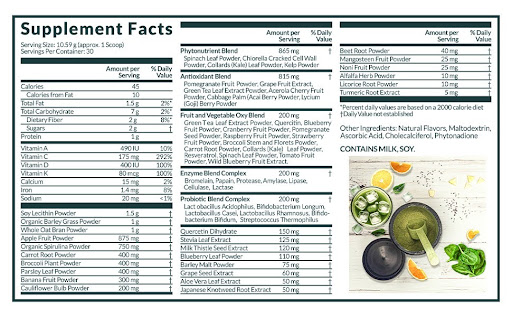
Even with the best intentions, hitting 25-38 grams of fiber intake a day from food alone is genuinely hard for most people — busy mornings, travel, convenience food, all of it adds up against you. This is where a comprehensive daily nutrition supplement, one that combines fiber, prebiotics, probiotics, digestive enzymes, and whole-food nutrients, can help bridge the gap. It’s not a replacement for real food, but it takes the pressure off having to get everything perfect every single day.
When Food Alone Isn’t Enough-Making Fiber a Daily Habit, Not a Goal
Even with good intentions, hitting 25–38 grams of fiber daily from food alone is difficult for most people. This is where a comprehensive daily nutrition supplement — one that combines fiber, prebiotics, probiotics, digestive enzymes, and whole-food nutrients — can help bridge the gap without requiring a complete diet overhaul. A supplement should support your diet, not replace it, but it can make consistency far easier on busy days.
FAQs-How Much Fiber Per Day Should You Be Eating?
How much fiber should adults eat each day?
Most adults need approximately 25–38 grams of fiber daily, depending on age and gender.
What happens if you don’t get enough fiber?
Low fiber intake is linked to occasional constipation, irregular digestion, lower gut bacteria diversity, and feeling less satisfied after meals.
Does fiber help with weight management?
Fiber-rich foods support satiety and fullness, which can help support healthy eating habits as part of a balanced diet.
What are the best fiber sources?
Fruits, vegetables, whole grains, legumes, nuts, and seeds are among the best natural sources of dietary fiber.
Can you get enough fiber from supplements alone?
Supplements can help fill gaps, but whole plant foods should remain the foundation of a high-fiber diet.
Final Takeaway
Fiber isn’t just about digestion — it’s a foundation of gut health, metabolism, immunity, and long-term wellness. Most adults fall short of the 25–38 grams recommended daily, but small, consistent changes to meals — plus a good daily nutrition supplement when needed — can close that gap and support lasting health.
This content is for general wellness information and is not intended to diagnose, treat, cure, or prevent any disease. Individuals who are pregnant, nursing, taking medication, or managing a medical condition should consult a healthcare provider before making dietary changes or starting a supplement.