Women on GLP-1 medications, a class of drugs primarily used for managing type 2 diabetes and promoting weight loss, may face some unique nutritional challenges. These challenges often arise due to the effects of GLP-1s on appetite regulation, digestion, and overall metabolism. Consequently, Nutritional Supplements for Women on GLP-1s are not only beneficial but sometimes essential for maintaining optimal health.
In this article, we’ll explore why women on GLP-1s need to be more mindful of their nutrition, the potential deficiencies they may face, and how supplements can bridge these gaps. The insights here are backed by clinical studies and expert recommendations.
How GLP-1s Impact Women’s Nutrition
GLP-1 (Glucagon-Like Peptide-1) receptor agonists are increasingly prescribed to manage blood sugar levels in individuals with type 2 diabetes and to assist in weight loss. These medications work by mimicking a natural hormone that influences insulin secretion, appetite, and digestion. While effective, they come with side effects such as reduced appetite, slower gastric emptying, nausea, and occasionally digestive discomfort.
These side effects can result in women eating fewer meals, consuming smaller portions, or having difficulty absorbing certain nutrients effectively. According to a study published in Diabetes, Obesity and Metabolism (2022), these changes in eating patterns can lead to deficiencies in critical vitamins and minerals, especially in individuals on long-term GLP-1 therapy.
Here’s where Nutritional Supplements for Women on GLP-1s become crucial to maintain balanced health.
Why Do Women on GLP-1s Need Nutritional Supplements?
-
Reduced Appetite and Smaller Meals: As GLP-1s work by suppressing appetite, women may find it challenging to eat enough food to meet their daily nutrient needs. According to a review by the Journal of Clinical Endocrinology & Metabolism (2021), a reduced intake of essential nutrients such as vitamin D, calcium, and iron is a common issue for people taking GLP-1 medications. In such cases, supplements help prevent deficiencies that could otherwise affect bone health, energy levels, and immune function.
-
Fatigue and Low Energy: One of the more troubling side effects of GLP-1 medications is fatigue. Research from the Endocrine Society (2023) has highlighted that women on GLP-1s often experience low energy, which can affect both physical and mental health. Vitamins like B12, magnesium, and iron, which are often deficient in individuals with lower food intake, are vital for combating fatigue. Nutritional supplements can provide an efficient solution to restore these crucial nutrients and boost overall energy.
-
Digestive Issues: GLP-1s slow down gastric emptying, leading to bloating, nausea, and discomfort after eating. A study published in Gastroenterology Research and Practice (2022) emphasizes that digestive enzymes and probiotics can help mitigate the gastrointestinal side effects caused by GLP-1s. Supplements containing these ingredients can improve gut health, enhance digestion, and reduce the discomfort that many women experience while on these medications.
-
Bone Health Concerns: Another often overlooked issue for women on GLP-1s is bone health. Some studies, including research published in the Bone Reports journal (2021), have found that GLP-1 therapy can influence bone density, especially in postmenopausal women. To protect bone strength, calcium and vitamin D are key nutrients that should be supplemented to prevent osteoporosis and fractures.
Key Nutrients in Supplements for Women on GLP-1s
Women on GLP-1s need a supplement that targets the specific nutritional gaps they face. Here’s a breakdown of the essential nutrients to look for:
-
Vitamin D: A study from The American Journal of Clinical Nutrition (2022) found that individuals on GLP-1s are more likely to develop vitamin D deficiency, leading to weaker bones and impaired immune function. Vitamin D supplements are particularly important to maintain bone density and enhance overall health.
-
Calcium: Calcium is vital for bone health, especially for women at risk of osteoporosis. According to a JAMA Internal Medicine report (2023), GLP-1 medications can disrupt calcium absorption, making supplementation necessary to maintain strong bones.
-
Magnesium: Magnesium plays a role in muscle function and energy production. According to research from The National Institutes of Health (NIH) (2021), magnesium deficiency can lead to increased fatigue and muscle cramps, both of which are common complaints among women on GLP-1s.
-
B Vitamins: B vitamins, particularly B12 and folate, are crucial for maintaining energy and mental clarity. A Clinical Diabetes study (2022) highlighted that low levels of vitamin B12 can worsen fatigue and cognitive issues in people with reduced food intake due to appetite suppression from GLP-1s.
-
Probiotics: Probiotics support digestive health and can alleviate bloating and discomfort caused by the slowing of gastric emptying. According to the American Gastroenterological Association (2021), women on GLP-1s can benefit from probiotics to support gut flora balance and ease digestion.
How to Choose the Best Supplement
When selecting a Nutritional Supplement for Women on GLP-1s, here are the key factors to consider:
-
Reputable Brands: It’s important to choose supplements from trusted brands with transparent ingredient sourcing and manufacturing practices. Look for third-party testing to ensure quality and purity.
-
Bioavailable Forms of Nutrients: Choose supplements that use easily absorbable forms of vitamins and minerals. For instance, vitamin D3 and calcium citrate are more readily absorbed than their less bioavailable counterparts.
-
Comprehensive Formulation: Look for a supplement that offers a well-rounded blend of essential vitamins, minerals, and probiotics. This comprehensive approach will cover various aspects of health, from energy levels to bone and digestive health.
Integrating Supplements into Your Routine
-
Consult Your Healthcare Provider: Before introducing any new supplement, it’s critical to discuss it with your healthcare provider. They can help you identify any specific deficiencies and tailor your supplementation to your needs.
-
Stick to the Recommended Dosage: Always follow the dosage guidelines on the supplement label or as directed by your healthcare provider. Over-supplementation can lead to unwanted side effects.
-
Be Consistent: The effectiveness of nutritional supplements takes time. It’s essential to be consistent and integrate them into your daily routine to see the benefits over time.
Conclusion
Women on GLP-1 medications face unique challenges that can hinder their ability to maintain a balanced, nutrient-rich diet. The right Nutritional Supplement for Women on GLP-1s can fill these gaps, helping manage appetite suppression, fatigue, digestive discomfort, and bone health. By focusing on high-quality supplements containing essential vitamins, minerals, and probiotics, women can better navigate the challenges of GLP-1 therapy and maintain optimal health.
If you’re on GLP-1 medications, it’s important to address these nutritional gaps to ensure you feel your best. Always consult your healthcare provider before starting any supplement, and choose one that’s specifically tailored to your needs. With the right support, you can thrive while managing the effects of GLP-1 therapy.
Saba GLP-1™: Boost Your Health Naturally
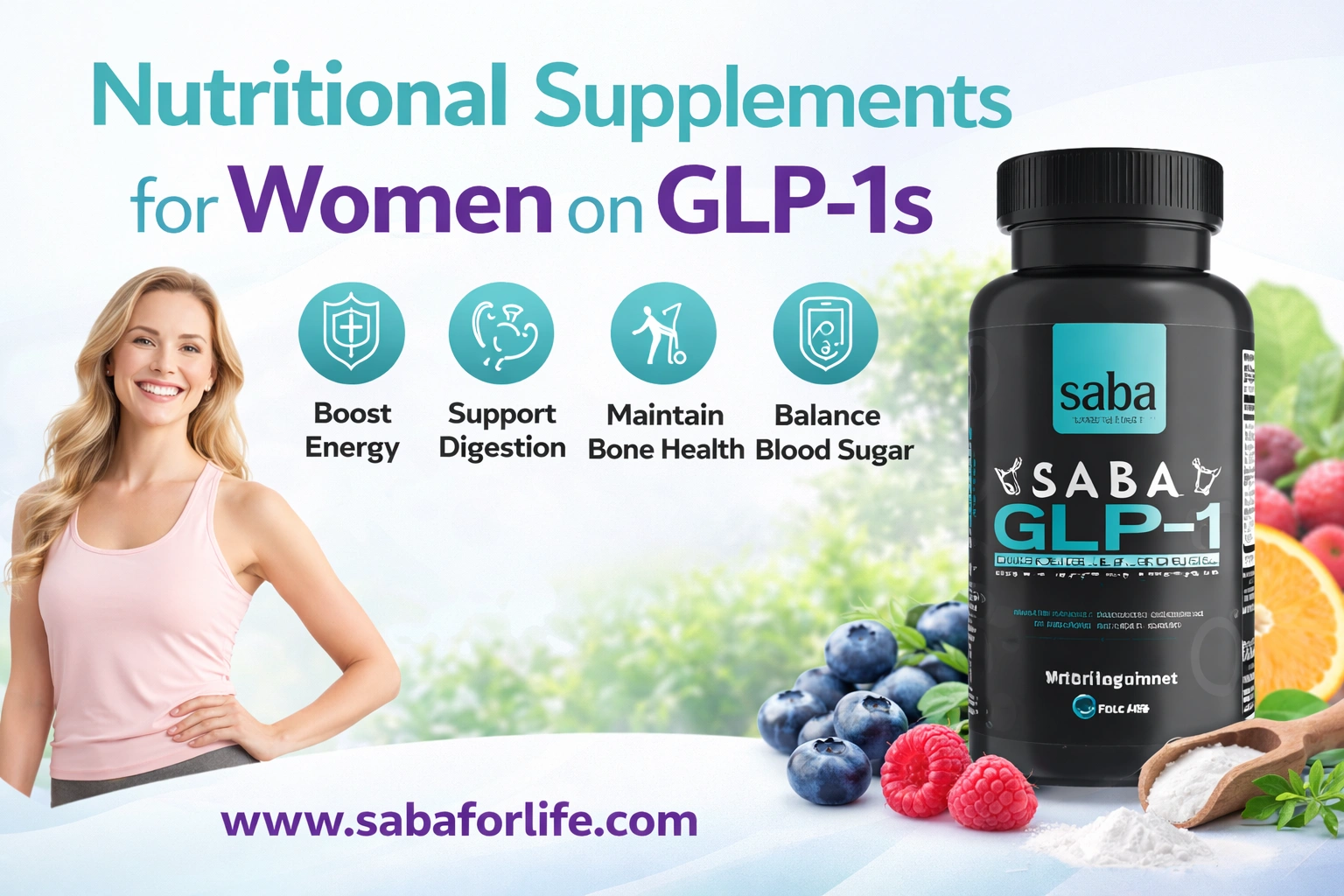
Saba GLP-1™ features a powerful blend of probiotics like Akkermansia muciniphila and Bifidobacterium infantis, designed to naturally boost your body’s GLP-1 production. GLP-1 is a hormone crucial for weight management, helping curb hunger, promote fullness, and support gut health. This supplement helps regulate appetite, improve digestion, and maintain healthy blood sugar levels, making it easier to manage weight and reduce cravings. By improving your gut health and metabolism, Saba GLP-1™ unlocks your body’s natural fat-burning power, creating an ideal environment for sustained weight loss and overall wellness. Try it today and feel the difference!
FAQs: Nutritional Supplements for Women on GLP-1s
1. What are GLP-1 medications, and how do they affect women?
GLP-1 (Glucagon-Like Peptide-1) medications are used to manage type 2 diabetes and assist with weight loss by regulating blood sugar and suppressing appetite. However, these medications can lead to reduced appetite, slower digestion, nausea, and fatigue, which may make it harder for women to maintain proper nutrition.
2. Why do women on GLP-1s need nutritional supplements?
Women on GLP-1s often experience reduced food intake and digestive issues, leading to deficiencies in essential vitamins and minerals. Nutritional supplements help address these gaps, supporting bone health, energy levels, and digestion, among other vital functions.
3. What nutrients should women on GLP-1s focus on?
Key nutrients to focus on include:
-
Vitamin D: To support bone health and immune function.
-
Calcium: For maintaining bone density and preventing osteoporosis.
-
Magnesium: To reduce fatigue and support muscle function.
-
B Vitamins (particularly B12): For energy production and reducing fatigue.
-
Probiotics: To improve digestion and reduce bloating caused by slower gastric emptying.
4. Can GLP-1 medications lead to vitamin and mineral deficiencies?
Yes, GLP-1 medications can reduce appetite and slow digestion, which can lead to lower nutrient intake and absorption. This makes supplementation important to prevent deficiencies in vital nutrients like calcium, vitamin D, and B12.
5. How do probiotics help women on GLP-1s?
Probiotics support gut health by helping to balance gut flora, easing digestive discomfort, and reducing bloating, which can be common for those on GLP-1 medications due to slower gastric emptying.
6. How can I choose the right nutritional supplement?
Look for supplements that:
-
Are from reputable brands with transparent ingredient sourcing.
-
Use bioavailable forms of nutrients (e.g., vitamin D3, calcium citrate).
-
Contain a balanced mix of vitamins, minerals, and probiotics to address multiple health aspects.
7. Are there any side effects to taking supplements while on GLP-1s?
While nutritional supplements are generally safe, it’s important to follow the recommended dosage and consult with your healthcare provider to ensure you’re taking the right supplement for your needs. Over-supplementation can lead to side effects such as gastrointestinal issues.
8. How can I incorporate supplements into my routine?
Consistency is key. Take supplements according to the manufacturer’s guidelines or as advised by your healthcare provider. It’s also helpful to take them with meals to improve absorption, unless otherwise directed.
9. Do I need to consult a doctor before starting supplements?
Yes, it’s always best to consult with your healthcare provider before adding any supplements to your routine, especially if you are on medication like GLP-1s. Your doctor can guide you on the appropriate supplements and dosages based on your specific health needs.
10. How long does it take to notice the effects of nutritional supplements?
The effects of supplements can vary depending on the individual and the nutrients being supplemented. Generally, it may take a few weeks to notice significant improvements, especially in energy levels, digestion, and overall well-being.
11. Can supplements replace a balanced diet while on GLP-1s?
Supplements are designed to fill nutritional gaps and support overall health, but they should not replace a balanced diet. It’s essential to continue eating a nutrient-rich diet alongside supplements to maintain optimal health.
12. Are there any specific supplements for women on GLP-1s to help with weight loss?
While supplements cannot replace a healthy diet and exercise, those rich in vitamins, minerals, and probiotics may support metabolism, reduce fatigue, and improve overall wellness, which can indirectly aid in weight loss while on GLP-1s. Always consult your doctor for guidance on weight management supplements.
This information is for educational purposes only and should not replace professional medical advice. Always consult with your healthcare provider before starting or stopping any medication, and discuss any concerns about your menstrual health during treatment.
For more information about Saba and its wellness products, visit Saba’s Facebook Page. And GLP-1 boosters and how they can improve your health, visit www.sabaforlife.com.
Disclaimers-
Results may vary. Saba GLP-1™ is not a GLP-1 drug, synthetic GLP-1, or GLP-1 agonist. This product has not been evaluated by the U.S. Food and Drug Administration (FDA). It is not intended to diagnose, treat, cure, or prevent any disease. For best results, use as directed on the label in combination with a balanced diet and healthy lifestyle. Always consult your healthcare provider before starting any new supplement.