Why Your Gut Health Might Be Off (Even If You Eat “Healthy”)
You’re eating better. Maybe you’ve cut down on junk food, added salads, even tried probiotics—but you still feel bloated, low on energy, or just “off.”
This is more common than most people realize.
Gut health isn’t just about what you eat—it’s about how your digestive system processes, absorbs, and interacts with everything you consume. Factors like stress, sleep, medications, and lifestyle habits can all affect your gut microbiome.
In the U.S., digestive concerns like bloating, irregular bowel movements, and food sensitivities are widely reported. According to the National Institute of Diabetes and Digestive and Kidney Diseases (NIDDK), millions of Americans experience digestive symptoms each year.
So the real question becomes-
Can natural gut health supplements actually support digestive balance?
Let’s break it down in a realistic, research-informed way.
What Is Gut Health (And Why It Matters More Than You Think)
Gut health refers to the balance and function of microorganisms (bacteria, fungi, etc.) living in your digestive tract—often called the gut microbiome.
A balanced microbiome plays a role in:
- Digesting food
- Producing certain vitamins (like B vitamins and vitamin K)
- Supporting immune function
- Interacting with your nervous system (gut-brain connection)
When this balance is disrupted, people may experience:
- Bloating or gas
- Constipation or diarrhea
- Food sensitivities
- Low energy or brain fog
Natural Gut Health Supplements: What Are Your Options?
There’s no one-size-fits-all solution. But certain natural gut health supplements are commonly used to support digestive wellness.
1. Probiotics (Good Bacteria)
What they are- Live microorganisms that may help maintain or restore gut balance.
Common strains studied-
- Lactobacillus
- Bifidobacterium
Where they come from-
- Yogurt
- Kefir
- Fermented foods (like sauerkraut, kimchi)
Supplement form: Capsules, powders, drinks
Research suggests probiotics may support digestive balance in some individuals, but results can vary depending on the strain and person.
2. Prebiotics (Food for Good Bacteria)
What they are- Non-digestible fibers that feed beneficial gut bacteria.
Examples-
- Inulin
- Fructooligosaccharides (FOS)
Natural sources-
- Garlic
- Onions
- Bananas
- Asparagus
Prebiotics help create an environment where beneficial bacteria can thrive.
3. Digestive Enzymes
What they do- Help break down food components like fats, proteins, and carbohydrates.
Common enzymes-
- Amylase (carbs)
- Protease (protein)
- Lipase (fats)
Some people use digestive enzyme supplements when they experience discomfort after meals, especially with heavy or complex foods.
4. Fiber Supplements
Types-
- Soluble fiber (psyllium, oats)
- Insoluble fiber (wheat bran)
Why it matters- Fiber supports regular bowel movements and overall gut function.According to the USDA, many Americans do not meet daily fiber intake recommendations.
5. Herbal Gut Support Ingredients
Some natural supplements include plant-based ingredients traditionally used for digestive comfort:
- Ginger
- Peppermint
- Fennel
- Turmeric
These are often included in blends designed for digestive support, though individual responses may vary.
How to Choose the Right Natural Gut Health Supplement
With so many options available in the U.S. market, choosing the right supplement can feel overwhelming. Here’s what to look for:
✔ Transparent Labeling
- Clearly listed ingredients
- No hidden blends
✔ Third-Party Testing
Certifications like NSF, USP, or GMP compliance
✔ Evidence-Based Ingredients
Look for ingredients that have been studied—not just marketed
✔ No Unrealistic Promises
Avoid products claiming:
- “Instant gut healing”
- “Cures digestive disorders”
- “Works for everyone”
Gut health is complex—no supplement works the same for everyone.
Common Mistakes People Make With Gut Health
Even with good intentions, some habits can work against you:
❌ Taking Too Many Supplements at Once
Mixing multiple products can make it hard to identify what’s helping—or not.
❌ Ignoring Diet & Lifestyle
Supplements are not a replacement for:
- Balanced diet
- Sleep
- Stress management
❌ Expecting Immediate Results
Gut changes often take time. Consistency matters more than quick fixes.
Natural Ways to Support Gut Health
Supplements can be supportive—but they work best alongside healthy habits:
Eat Diverse, Fiber-Rich Foods
Include vegetables, fruits, whole grains, and legumes.
Stay Hydrated
Water supports digestion and nutrient absorption.
Prioritize Sleep
Poor sleep can affect gut bacteria balance.
Manage Stress
The gut-brain connection is real—stress can impact digestion.
Stay Active
Regular movement supports overall digestive function.
Do Natural Gut Health Supplements Really Work?
The honest answer
They can support gut health—but they’re not a guaranteed solution.
Scientific research shows:
- Some probiotics and fibers may support digestive function
- Effects vary based on individual biology, diet, and lifestyle
There is no universal supplement that works for everyone.
A Smarter Approach to Gut Health
If you’re dealing with bloating, discomfort, or inconsistent digestion, you’re not alone—and you’re not imagining it.
Natural gut health supplements can be one part of a broader strategy—but they work best when combined with sustainable habits.
Instead of chasing quick fixes:
- Focus on consistency
- Pay attention to how your body responds
- Choose products carefully
That’s how real, long-term gut support is built.
FAQs -Natural Gut Health Supplements
5. What are the best natural gut health supplements for bloating?
Some commonly used options include probiotics, digestive enzymes, and fiber supplements like psyllium husk. These may help support digestion and reduce occasional bloating, but effectiveness depends on the individual and underlying cause.
6. Can gut health supplements help with digestion after meals?
Certain supplements like digestive enzymes are designed to assist in breaking down food, which may help some people feel more comfortable after eating. However, results can vary depending on diet and digestive health.
7. Are there natural gut health supplements without side effects?
Many natural supplements are generally well-tolerated when used as directed. However, some people may experience mild effects like gas or changes in digestion, especially when starting probiotics or increasing fiber intake.
8. What is the difference between probiotics and digestive enzymes?
Probiotics are live bacteria that support gut microbiome balance, while digestive enzymes help break down food into nutrients your body can absorb. Both serve different roles in digestive health.
9. How do I know which gut health supplement is right for me?
It depends on your symptoms:
- Bloating → probiotics or enzymes
- Constipation → fiber supplements
- General gut balance → probiotics + prebiotics
If symptoms persist, it’s best to consult a healthcare professional.
10. Can I take multiple gut health supplements together?
Some people combine supplements like probiotics and fiber, but taking too many at once can make it difficult to understand what’s working. It’s usually better to start with one and monitor your response.
11. Do natural gut health supplements work for everyone?
No, gut health is highly individual. What works for one person may not work the same way for another due to differences in microbiome, diet, and lifestyle.
12. Are gut health supplements regulated in the USA?
Dietary supplements in the U.S. are regulated by the FDA under the Dietary Supplement Health and Education Act (DSHEA). However, they are not approved like medications, so quality and formulation can vary by brand.
13. What are signs your gut health may need support?
Common signs may include:
- Frequent bloating
- Irregular bowel movements
- Gas or discomfort after eating
- Feeling sluggish after meals
These symptoms can have multiple causes, not just gut imbalance.
14. Can diet replace the need for gut health supplements?
In many cases, a balanced diet rich in fiber, fermented foods, and whole nutrients can support gut health without supplements. Supplements are usually considered an addition, not a replacement.
15. How long should you take natural gut health supplements?
Duration varies. Some people use them short-term, while others include them in a daily routine. It’s important to evaluate how your body responds over time.
16. Are natural gut health supplements safe for daily use?
Many are used daily, especially probiotics and fiber supplements, but long-term use should be based on individual needs and ideally guided by a healthcare provider.
17. What foods naturally improve gut health along with supplements?
Foods that support gut health include:
- Yogurt and kefir
- Leafy greens
- Whole grains
- Bananas and apples
- Fermented foods
Combining diet and supplements may offer better support than relying on one alone.
18. Can stress affect gut health even if I take supplements?
Yes. Stress can influence digestion and gut bacteria through the gut-brain connection. Supplements alone may not fully address gut issues if stress levels remain high.
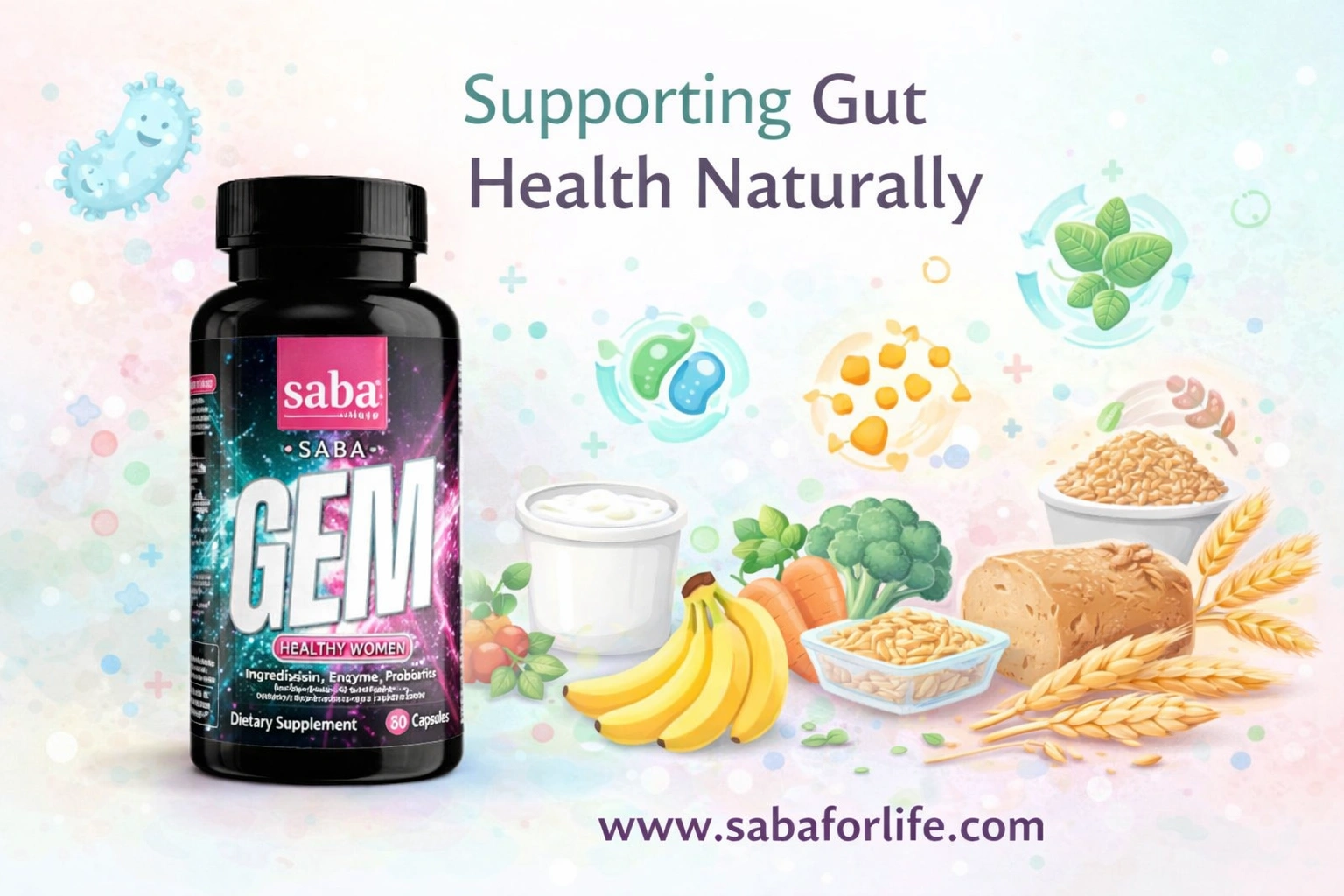
For more information about Saba and its wellness products, you can visit Saba’s official Facebook page or explore their website at www.sabaforlife.com to learn more about Saba GEM and its approach to supporting overall wellness.
Disclaimer:
Individual results may vary. Saba GLP-1™ is not a GLP-1 drug, synthetic GLP-1, or GLP-1 receptor agonist. This product has not been evaluated by the U.S. Food and Drug Administration (FDA). It is not intended to diagnose, treat, cure, or prevent any disease. For best use, follow the directions on the product label and incorporate it into a balanced diet and healthy lifestyle. Consult your healthcare professional before starting any new dietary supplement, especially if you have existing health conditions or are taking medications.