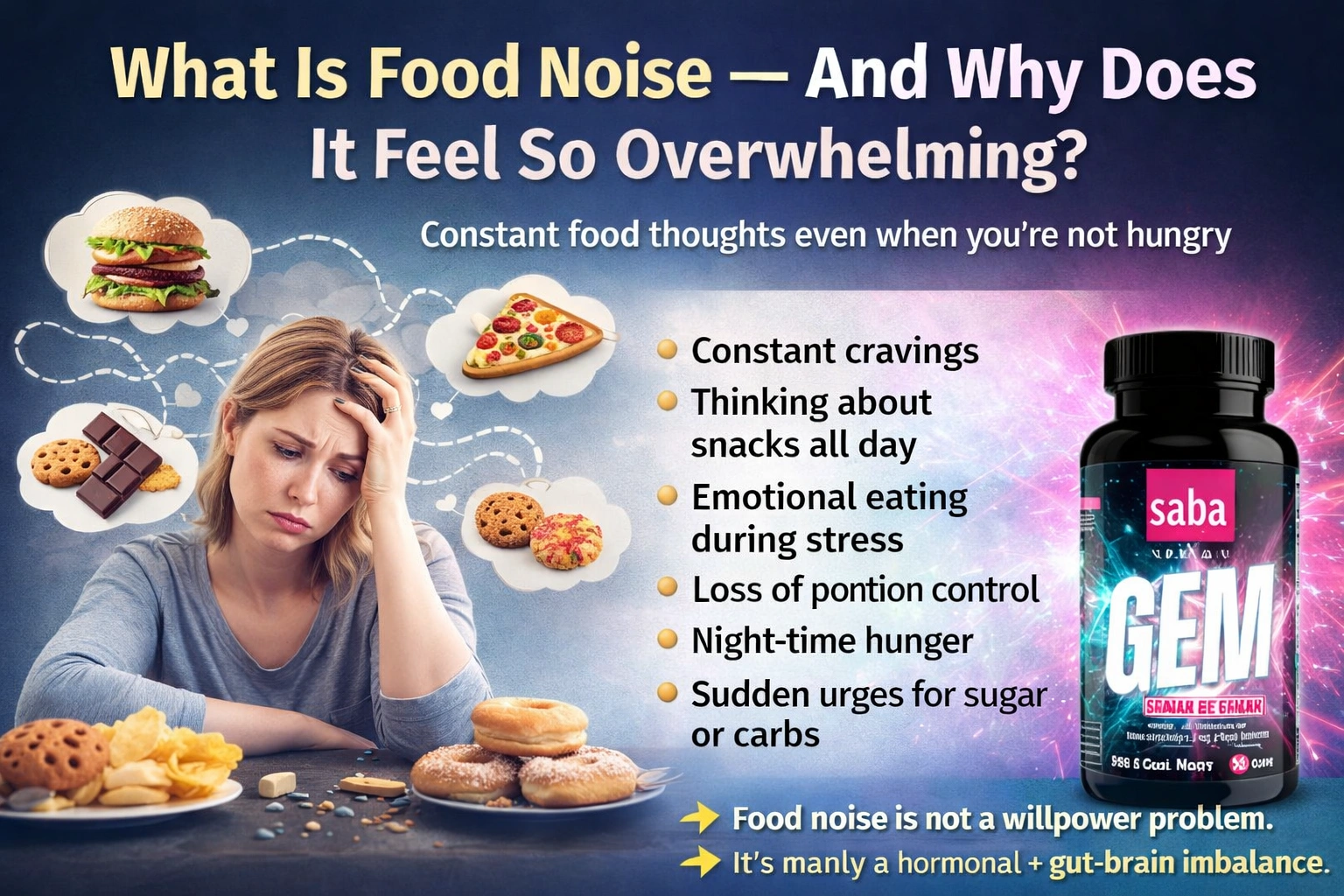
GLP-1 for Women Over 50
If you’re over 50 and feel like your appetite has a mind of its own—stronger cravings, easier weight gain, or that stubborn midsection that doesn’t respond the way it used to—you’re not imagining it. Midlife can bring real shifts in hormones, sleep, stress response, digestion, and muscle mass. Together, these changes can affect how hungry you feel, how quickly you feel full, and how your body handles carbs and energy.
One key player in this conversation is GLP-1—a natural hormone pathway tied to fullness, appetite regulation, and metabolic balance. You may have heard GLP-1 discussed online in many different contexts. This blog keeps it simple and practical, with a focus on natural, gut-first support—especially relevant for women over 50 who want a sustainable approach that protects strength and supports long-term wellness.
What is GLP-1
GLP-1 (glucagon-like peptide-1) is a hormone your body releases—mainly from the gut—after you eat. Think of it as part of your internal “satisfaction and balance” system.
GLP-1 supports your body by helping:
- send fullness signals to the brain
- slow down stomach emptying (so you stay satisfied longer)
- support a steadier blood sugar response after meals
When GLP-1 signaling is working well, many people notice more predictable appetite patterns, fewer intense cravings, and better control over portion sizes—without feeling like they’re constantly fighting hunger.
Why GLP-1 matters more after 50
After 50, your body is managing a different set of inputs than it did years ago. Even if your habits feel “the same,” your physiology may not be.
1) Hormone shifts can change appetite and fat distribution
Menopause-related changes can influence how your body stores fat (often around the abdomen) and how strongly your brain responds to hunger and satiety cues.
2) Muscle naturally declines with age
Muscle is metabolically active tissue. When muscle decreases, metabolism often slows. That’s why extreme dieting can backfire—especially if it reduces protein intake and strength training isn’t part of the plan.
3) Sleep disruption can increase cravings
Short or fragmented sleep can make cravings louder and make it harder to feel satisfied after meals.
4) Blood sugar swings may feel stronger
Some women notice energy crashes after carb-heavy meals, followed by snacking urges later in the day. A steadier blood sugar pattern often supports steadier appetite signals.
That’s why the best after-50 plan isn’t “eat less and do more.” It’s usually a smarter formula: satiety + muscle + gut support + consistent habits.
GLP-1: Prescription medications vs. natural support
There’s a lot of confusion online because GLP-1 is talked about in multiple ways.
GLP-1 prescription medications
These are prescription-only drugs intended for specific medical use and require clinician oversight.
Natural GLP-1 support
Natural support focuses on daily habits that influence satiety, digestion, and metabolic balance—like protein intake, fiber, strength training, sleep, stress management, and microbiome support.
This blog focuses on the natural support side—what women over 50 can do day to day to help their body feel more balanced and consistent.
Common signs your satiety signals may need support
These signs are not a diagnosis, but many women over 50 recognize them:
- getting hungry again shortly after meals
- cravings that feel stronger than before
- evening snacking that’s hard to stop
- bloating, sluggish digestion, or irregularity
- energy dips after meals—especially sugary or refined carbs
The goal isn’t perfection. It’s building habits that make appetite feel calmer and more predictable.
8 natural ways to support GLP-1 after 50
1) Build meals around protein (especially breakfast)
Protein supports fullness and helps preserve muscle—two priorities after 50. Try:
- eggs, Greek yogurt, cottage cheese
- fish, chicken, turkey
- tofu, tempeh, beans, lentils
- a smoothie with quality protein + fiber
Simple win: A protein-forward breakfast often reduces cravings later in the day.
2) Increase fiber gradually (and drink more water)
Fiber supports satiety and gut health—two things tied to appetite regulation. If you’re not used to much fiber, increase slowly to avoid bloating.
Easy fiber additions:
- oats, chia, flax
- berries, apples, pears
- beans and lentils
- leafy greens, broccoli, carrots
- whole grains if tolerated
3) Strength train 2–3 times per week
For women over 50, strength training isn’t just for looks—it’s for metabolism, mobility, posture, and bone support. Even short sessions add up.
A realistic goal:
- 20–30 minutes, 2–3 times weekly
- focus on legs, hips, back, and core
- consistency matters more than intensity
4) Avoid “naked carbs” (carbs alone)
Carbs aren’t the enemy—but carbs alone can spike and crash energy, which can amplify hunger. A steadier plate usually looks like:
- carbs + protein + fiber + healthy fat
Examples-
- toast with eggs (not toast alone)
- fruit with Greek yogurt (not fruit alone)
- rice with protein + veggies (not rice alone)
5) Don’t under-eat during the day
Many women unintentionally eat too little earlier, then face strong cravings at night. Try a steadier rhythm:
- balanced breakfast
- protein-based lunch
- a planned afternoon snack if needed
This reduces the “all-day restriction → evening cravings” cycle.
6) Support your microbiome with gut-friendly foods
Your gut and brain communicate constantly. Supporting the microbiome often supports better digestion, comfort, and routine consistency.
Gut-friendly choices:
- fermented foods (yogurt, kefir, kimchi) if tolerated
- prebiotic foods (oats, onions, garlic, asparagus, bananas)
- plant variety (different colors and types through the week)
If you’re sensitive, start small and build slowly.
7) Walk after meals (10 minutes helps)
A short walk after one meal per day supports digestion and a smoother post-meal response. It’s low-impact and easy to maintain.
8) Make sleep a “health tool,” not an afterthought
Even small sleep improvements can quiet cravings and support better appetite regulation:
- consistent bedtime
- morning daylight exposure
- reduce late caffeine
- simple evening wind-down routine
Where SABA GLP-1™ fits (natural, gut-first support)
Some women over 50 want additional support for consistency—especially around digestion, cravings, and satiety routines. That’s where a gut-focused supplement may fit into a wellness plan.
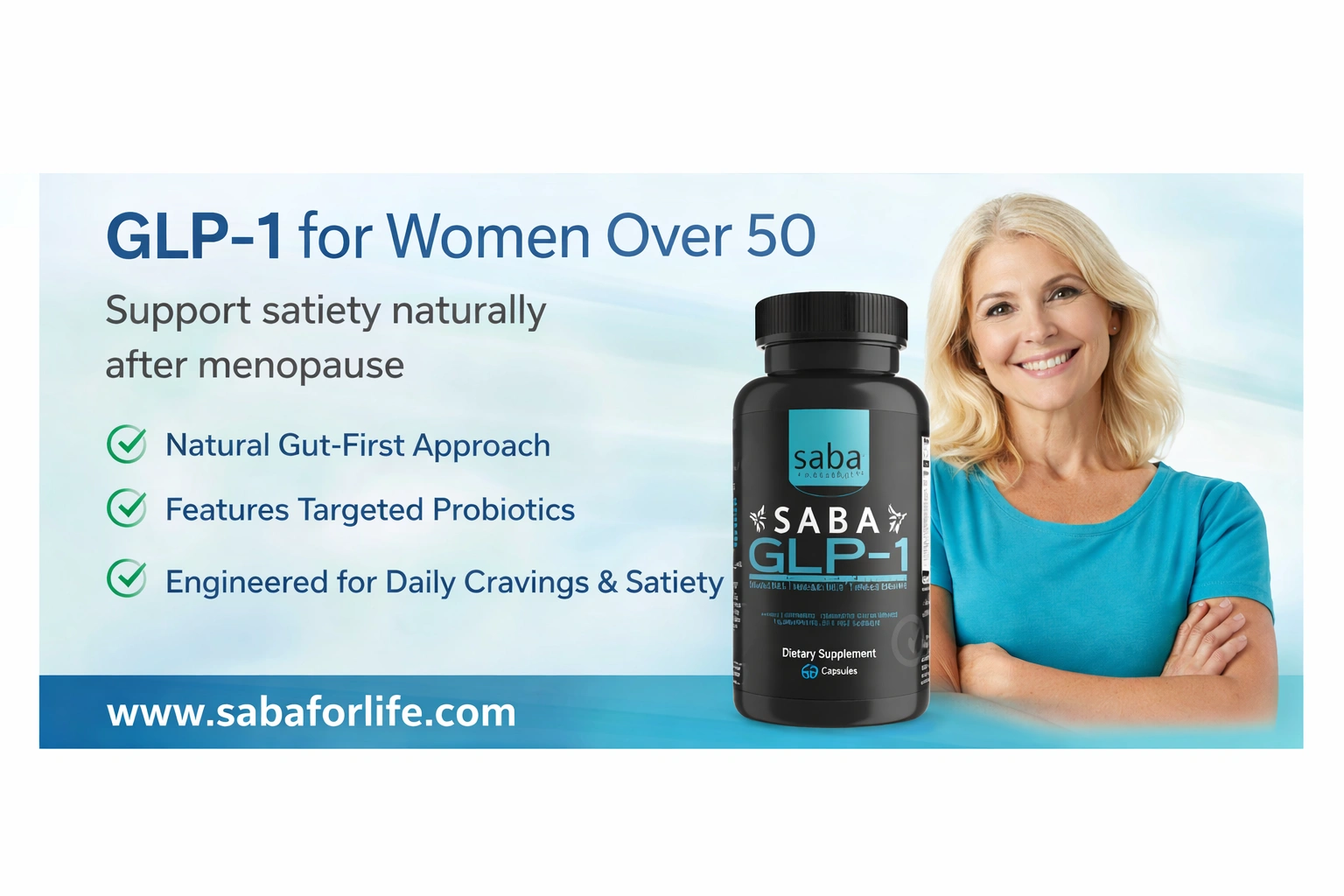
SABA GLP-1™ is a dietary supplement designed to support gut health and natural satiety signals through a next-generation blend that includes ingredients such as Akkermansia muciniphila, Inulin, Clostridium butyricum, and Bifidobacterium infantis. It’s built to complement a balanced diet and active lifestyle by supporting microbiome balance—an important foundation for digestive comfort and appetite routines.†
How to think about it:
SABA GLP-1™ is not a prescription drug and isn’t intended to replace lifestyle habits. Instead, it’s meant to support the “gut foundation” that many women over 50 are now prioritizing.
†These statements have not been evaluated by the Food and Drug Administration. This product is not intended to diagnose, treat, cure, or prevent any disease.
Who should talk to a healthcare professional first?
Always check with a clinician before starting any supplement if you:
- are pregnant or nursing
- have a diagnosed medical condition
- take prescription medications (especially for blood sugar or thyroid support)
- have ongoing GI conditions or sensitivities
- have had recent unexplained digestive symptoms
Safety always comes first—especially when you’re building a long-term wellness routine.
Quick, realistic “GLP-1 supportive day” (example)
Breakfast: Protein + fiber (eggs + berries, or yogurt + chia)
Midday: Balanced lunch (protein + veggies + carbs)
After lunch: 10-minute walk
Snack (if needed): nuts + fruit, or cottage cheese
Dinner: protein + veggies + healthy fat
Evening: wind-down routine + hydration
This kind of structure helps many women feel calmer appetite patterns—without extreme dieting.
Final takeaway
For women over 50, the GLP-1 conversation doesn’t need to be complicated or overwhelming. The strongest natural strategy is still the basics—done consistently:
- protein at each meal
- fiber and plant variety
- strength training weekly
- steady blood sugar habits
- better sleep and stress support
- gut-first support when needed
If you want a natural tool that fits into this approach, SABA GLP-1™ is designed to support gut health and daily satiety routines as part of a balanced lifestyle.†
FAQs: GLP-1 for Women Over 50
1) Can I support GLP-1 naturally without injections?
Yes. Many habits that support satiety and metabolic balance—protein, fiber, strength training, sleep, and gut health—can support a healthier routine.
2) Why do cravings feel stronger after 50?
Hormone shifts, stress, sleep disruption, muscle loss, and blood sugar swings can all play a role.
3) Do I need to cut carbs completely?
Not usually. Many women do better by pairing carbs with protein and fiber instead of eliminating them.
4) What’s the easiest first step?
Start with a protein-forward breakfast and a 10-minute walk after one meal daily.
5) Are supplements a replacement for diet and exercise?
No. Supplements may support a routine, but the foundation is still nutrition, movement, sleep, and consistency.
Saba GLP-1™- Natural GLP-1 Support After 50 — Start With Your Gut
Saba GLP-1™ is a gut-focused dietary supplement featuring a targeted probiotic blend, including Akkermansia muciniphila and Bifidobacterium infantis, formulated to support a healthier microbiome—an important part of appetite signaling and metabolic balance. For many women over 50, supporting digestion, daily cravings, and satiety routines can feel harder than it used to. Saba GLP-1™ is designed to complement a balanced diet and active lifestyle by helping you stay consistent with wellness habits that matter.
New to GLP-1 and want the full guide first?
Read our blog- GLP-1 for Women Over 50: What to Know Before You Start
This information is for educational purposes only and should not replace professional medical advice. Always consult with your healthcare provider before starting or stopping any medication, and discuss any concerns about your menstrual health during treatment.
For more information about Saba and its wellness products, visit Saba’s Facebook Page. And GLP-1 boosters and how they can improve your health, visit www.sabaforlife.com.
Disclaimers-
Results may vary. Saba GLP-1™ is not a GLP-1 drug, synthetic GLP-1, or GLP-1 agonist. This product has not been evaluated by the U.S. Food and Drug Administration (FDA). It is not intended to diagnose, treat, cure, or prevent any disease. For best results, use as directed on the label in combination with a balanced diet and healthy lifestyle. Always consult your healthcare provider before starting any new supplement.