GLP-1 for Menopause Weight Loss-Can It Reduce Belly Fat and Improve Hormones?
For many women, menopause comes with stubborn weight gain and changes in metabolism. GLP-1 medications are proving to be effective tools for menopausal weight management. Drugs like semaglutide reduce appetite, slow digestion, and target belly fat, helping women regain confidence and energy.
GLP-1 isn’t just a weight-loss drug—it’s a holistic solution for women navigating the challenges of menopause.
Menopause often brings unwanted weight gain, especially around the belly, and traditional diets may not be enough. GLP-1 medications, like semaglutide and liraglutide, are emerging as a game-changer for menopausal women. They work by reducing appetite, improving metabolism, and helping with gradual, sustainable weight loss.
Enter GLP-1 medications—a breakthrough in weight management that’s gaining attention among menopausal women. From reducing appetite to improving metabolism, GLP-1s are changing the way we think about weight loss in midlife.
In this article, we’ll cover how GLP-1 works, its benefits for menopause, microdosing strategies, and answer some trending questions like:
- Is GLP-1 good for menopause?
- Does semaglutide work if you are in menopause?
- Do GLP-1 medications affect estrogen levels?
What is GLP-1 and How Does It Work?
GLP-1 stands for Glucagon-Like Peptide-1, a hormone that regulates blood sugar and appetite. GLP-1 medications, such as semaglutide (Ozempic, Wegovy), mimic this hormone to-
- Reduce appetite
- Slow gastric emptying
- Improve insulin sensitivity
These effects make GLP-1 an effective tool for weight loss, particularly for women struggling with menopause-related weight gain.
GLP-1 and Menopause Symptoms
Menopause often comes with symptoms like hot flashes, mood swings, fatigue, and weight gain, particularly around the abdomen. While GLP-1 medications don’t directly treat hot flashes or mood changes, they can:
- Reduce belly fat
- Support healthy metabolism
- Improve blood sugar control, which may indirectly reduce fatigue
Microdosing GLP-1 in Perimenopause
Some women in perimenopause (the transition before full menopause) choose microdosing GLP-1. This approach involves:
- Starting with a very low dose
- Gradually increasing under medical supervision
- Minimizing side effects like nausea or gastrointestinal discomfort
Benefits of microdosing:
- Reduces weight gain gradually
- Helps body adapt to GLP-1 therapy
- Suitable for women sensitive to medication

Best GLP-1 Medications for Menopause Weight Loss-
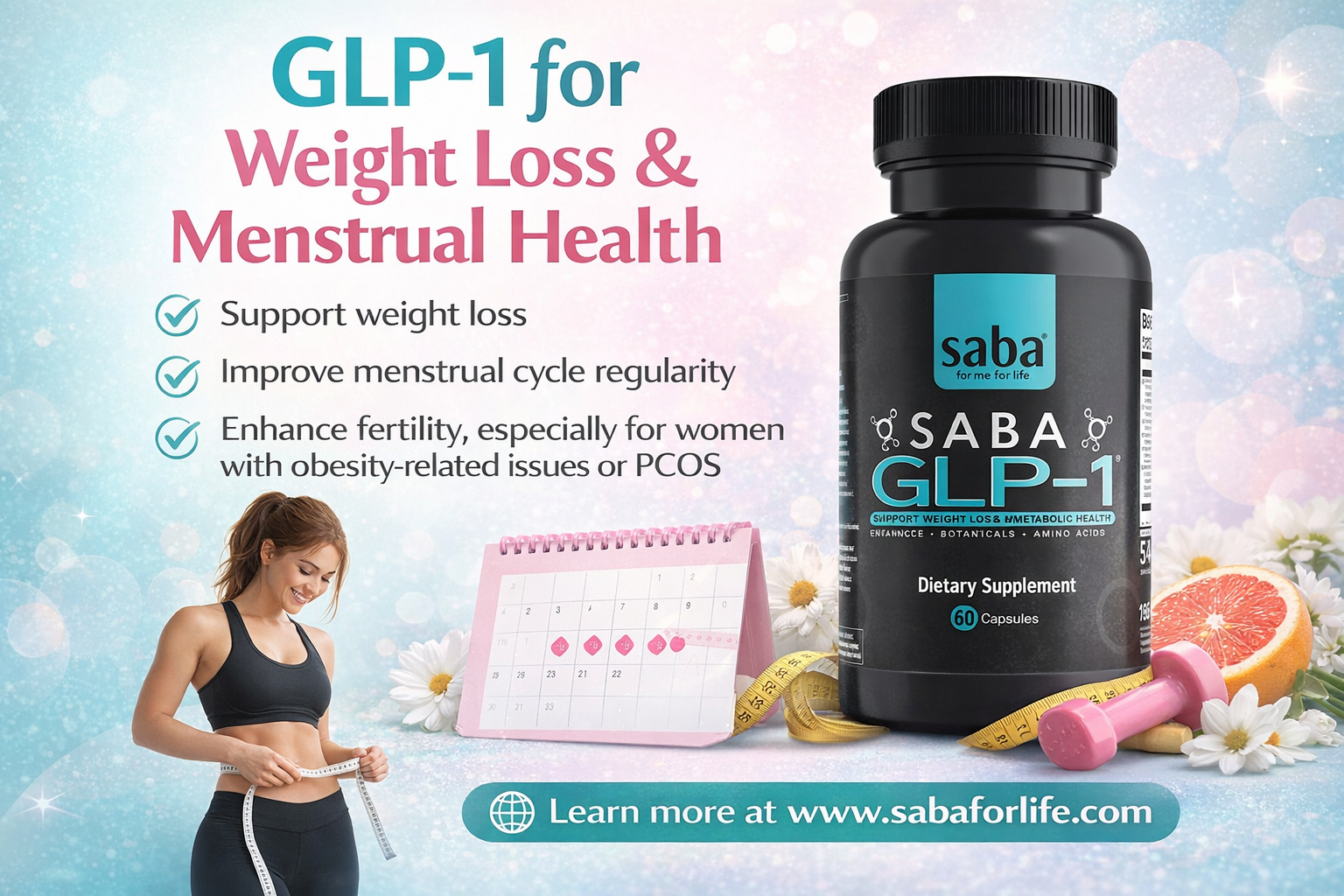
Saba GLP-1 is a powerful weight management product specially designed for women experiencing menopause-related weight gain. Based on GLP-1 (Glucagon-Like Peptide-1) technology, it helps reduce appetite, control cravings, and promote gradual weight loss, particularly targeting stubborn belly fat. Many women have found Saba GLP-1 effective in supporting metabolic health during menopause while managing hormonal weight changes safely. When combined with a healthy diet and active lifestyle, Saba GLP-1 can be a game-changer for menopause weight loss and overall wellness.
Tips-
- Always consult a doctor before starting GLP-1 therapy
- Consider lifestyle changes alongside medication
- Track weight, appetite, and side effects
Does GLP-1 Affect Estrogen Levels?
A common question among women is whether GLP-1 medications affect hormones like estrogen. Research shows:
- GLP-1 primarily impacts insulin and appetite-regulating hormones
- There’s no direct evidence that it lowers estrogen levels
- Weight loss may indirectly improve hormonal balance, which can help with menopause symptoms
GLP-1 for Belly Fat in Menopause
Belly fat accumulation is a hallmark of menopause. GLP-1 medications can help by:
- Reducing overall calorie intake
- Improving fat metabolism
- Supporting steady weight loss rather than rapid fluctuations
Many women notice slimmer waistlines and better energy after consistent GLP-1 therapy combined with healthy diet and exercise.
FAQs- GLP-1 for menopause?
Q1: Is GLP-1 good for menopause?
Yes, GLP-1 can be an effective tool for weight management during menopause, particularly for reducing belly fat and improving metabolic health.
Q2: Does semaglutide work if you are in menopause?
Yes, studies and anecdotal evidence suggest semaglutide is effective for weight loss in menopausal women, though results may vary individually.
Q3: Do GLP-1 medications affect estrogen levels?
No direct effect on estrogen has been documented. Weight loss from GLP-1 therapy may indirectly support hormonal balance.
Q4: Can microdosing GLP-1 help in perimenopause?
Yes, microdosing helps women adapt to GLP-1 therapy with minimal side effects and gradual weight loss.
Saba GLP-1 is a powerful weight management product
Saba GLP-1 medications represent a game-changer for menopause weight management. From reducing belly fat to improving metabolism, these drugs offer new hope for women struggling with hormonal weight gain.
However, GLP-1 is most effective when combined with a healthy diet, exercise, and regular medical supervision. Microdosing strategies, careful selection of the right GLP-1 drug, and tracking results can maximize benefits while minimizing side effects.
Menopause doesn’t have to mean uncontrollable weight gain—GLP-1 medications can help women regain control and feel confident in their bodies again.
For more information about Saba and its wellness products, visit Saba’s Facebook Page. And GLP-1 boosters and how they can improve your health, visit www.sabaforlife.com.
Disclaimers-
Results may vary. Saba GLP-1™ is not a GLP-1 drug, synthetic GLP-1, or GLP-1 agonist. This product has not been evaluated by the U.S. Food and Drug Administration (FDA). It is not intended to diagnose, treat, cure, or prevent any disease. For best results, use as directed on the label in combination with a balanced diet and healthy lifestyle. Always consult your healthcare provider before starting any new supplement.