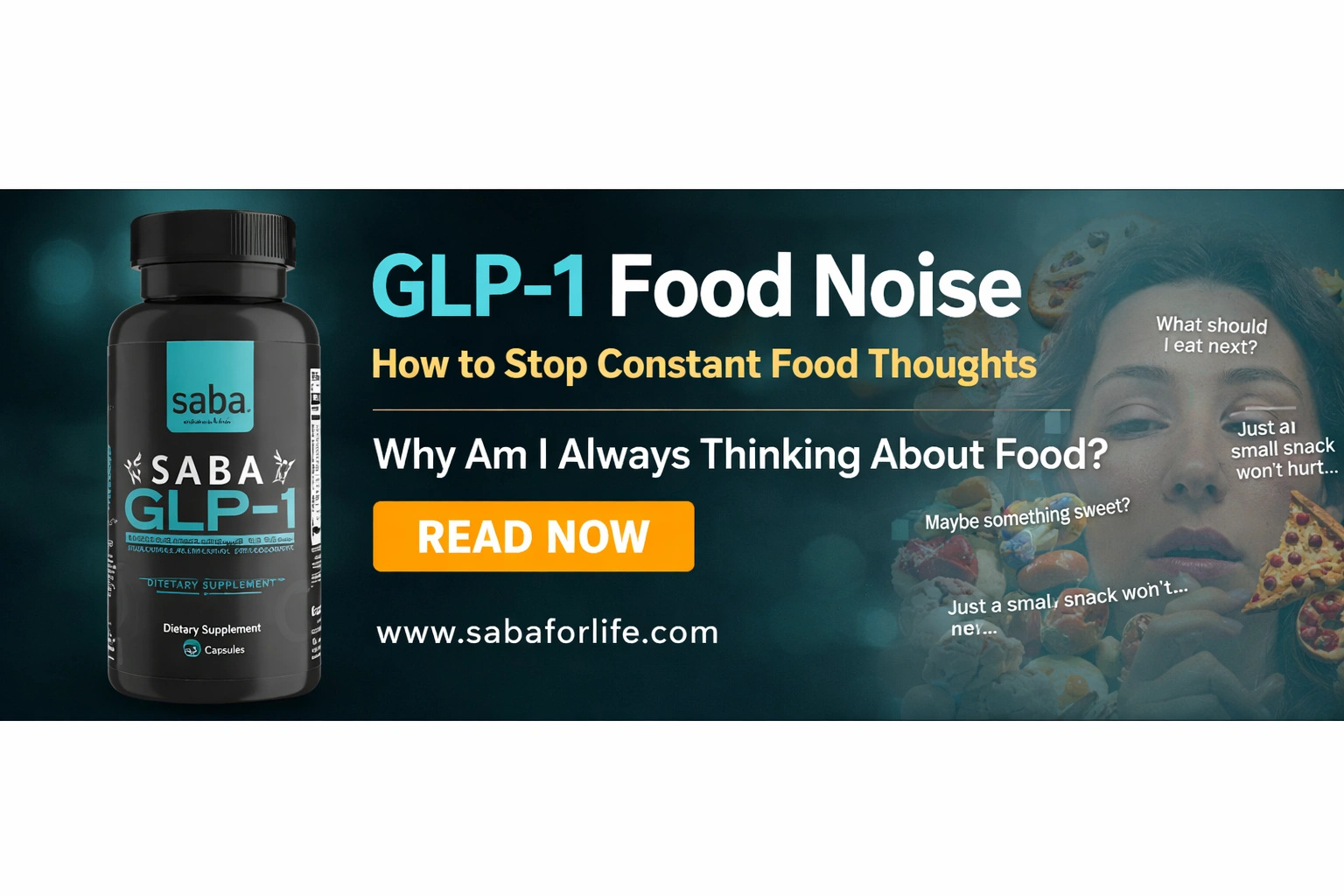
GLP-1 Food Noise- How to Stop Constant Food Thoughts
Why Am I Always Thinking About Food?
For many people, the struggle with food isn’t just physical hunger—it’s mental. The constant loop of thinking about what to eat, when to eat, and craving something specific can feel exhausting. This experience is more common than people realize, especially in modern lifestyles where food is always available.
You just ate.
You’re not physically hungry.
But somehow… food is still on your mind.
“What should I eat next?”
“Maybe something sweet?”
“Just a small snack won’t hurt…”
If this sounds familiar, you’re not alone—and more importantly, it’s not just about willpower.
This constant mental chatter around food has a name: food noise.
And recently, a lot of attention has turned to GLP-1 hormones and medications as a powerful way to reduce it. But what exactly is happening inside your body? And why does your brain seem obsessed with food even when you’re full?
Let’s break it down in a real, science-backed, no-BS way.
What Is Food Noise? (The Hidden Struggle No One Talks About)
Before trying to fix the problem, it’s important to understand what you’re actually experiencing. Many people confuse food noise with simple hunger, but it’s much more psychological and persistent than that.
Food noise refers to the constant thoughts, urges, and mental preoccupation with food—even when your body doesn’t need energy.
It’s not just hunger.
It’s:
- Thinking about your next meal right after eating
- Craving specific foods (especially sugar, carbs, or salty snacks)
- Feeling “mentally hungry” but physically full
- Constantly negotiating with yourself about eating
For many people in the U.S., especially those dealing with weight gain, emotional eating, or insulin resistance, food noise can feel relentless.
And here’s the key point-
Food noise is driven by biology, not just behavior.
The Real Reason You Keep Thinking About Food
If you’ve ever blamed yourself for “lack of control,” this section matters. The root cause of constant food thoughts usually lies deeper in how your body regulates hunger, energy, and reward.
Most blogs oversimplify this as “bad habits.” That’s not accurate.
Here’s what’s actually going on:
1. Hormonal Imbalance (Not Lack of Discipline)
Your body uses hormones to regulate hunger and fullness:
- Ghrelin → increases hunger
- Leptin → signals fullness
- GLP-1 → slows digestion and reduces appetite
When these are out of balance, your brain keeps sending “eat more” signals, even if you don’t need calories.
2. Blood Sugar Spikes and Crashes
What you eat daily has a direct impact on how often you feel hungry. Highly processed diets can trap you in a cycle where your body constantly demands more energy.
A typical Western diet (high in processed carbs and sugar) leads to-
- Rapid glucose spikes
- Followed by crashes
- Which trigger cravings again
This creates a loop of constant hunger signals + food thoughts.
3. Dopamine & Reward System
Food is not just fuel—it’s also deeply connected to pleasure. This is why certain foods feel almost impossible to resist, even when you’re not hungry.
Highly processed foods are engineered to:
- Trigger dopamine (pleasure hormone)
- Reinforce cravings
- Build addictive-like eating patterns
So your brain isn’t just asking for food—it’s chasing a reward.
4. Gut-Brain Communication Breakdown
Your gut does more than digest food—it plays a key role in signaling when you’ve had enough. When this system is disrupted, your brain doesn’t get clear signals.
Your gut and brain constantly communicate through hormones like GLP-1.
When gut health is off:
- Satiety signals weaken
- Hunger signals become louder
- Food noise increases
What Is GLP-1 and Why Is Everyone Talking About It?
With so much buzz around GLP-1 in the U.S., it’s important to understand why this hormone is suddenly at the center of weight loss and appetite control conversations.
GLP-1 (Glucagon-Like Peptide-1) is a natural hormone your body produces after eating.
Its job is to-
- Signal fullness to the brain
- Slow down stomach emptying
- Reduce appetite
- Help regulate blood sugar
In simple terms:
GLP-1 tells your brain: “You’ve had enough food.”
How GLP-1 Affects Food Noise
This is where things start to connect. If food noise is driven by weak satiety signals, then improving those signals can directly reduce the mental chatter.
This is where things get interesting.
When GLP-1 levels are optimized (naturally or through medication), people often report:
- Fewer intrusive food thoughts
- Reduced cravings (especially for sugar and junk food)
- Feeling satisfied with smaller portions
- No constant urge to snack
This is why GLP-1 medications like semaglutide (Ozempic, Wegovy) have gained massive popularity in the U.S.
Users often say-
“I finally stopped thinking about food all day.”
Does GLP-1 Actually “Turn Off” Food Noise?
There’s a lot of hype online, but the reality is slightly more nuanced. GLP-1 doesn’t eliminate food thoughts entirely—but it can significantly reduce their intensity.
Not completely—but it significantly reduces it.
What research shows-
- GLP-1 receptor agonists impact brain regions involved in appetite and reward
- They reduce activity in areas linked to cravings
- They improve satiety signaling
Clinical studies (like those published in The New England Journal of Medicine) show-
- Significant weight loss
- Reduced caloric intake
- Improved appetite control
So yes—there’s real, evidence-backed impact, not just hype.
Natural Ways to Increase GLP-1 (Without Medication)
Not everyone wants to rely on medication, and the good news is that your daily habits can naturally support GLP-1 production and function over time.
Not everyone wants or needs GLP-1 drugs. The good news? You can support it naturally.
1. Eat More Protein
Protein stimulates GLP-1 release and keeps you full longer.
Best options-
- Eggs
- Greek yogurt
- Chicken, fish
- Plant proteins (lentils, tofu)
2. Increase Fiber Intake
Fiber plays a major role in slowing digestion and stabilizing appetite signals, which helps reduce frequent hunger cues.
Focus on-
- Oats
- Chia seeds
- Vegetables
- Whole grains
3. Improve Gut Health
A healthy gut environment supports better hormone signaling, including GLP-1 production and appetite control.
Add-
- Probiotics
- Fermented foods (yogurt, kimchi)
- Prebiotic fiber
4. Reduce Ultra-Processed Foods
These foods often override natural hunger signals, making it harder for your body to regulate appetite properly.
Cut down:
- Sugary snacks
- Fast food
- Packaged junk
5. Sleep & Stress Management
Your lifestyle habits, especially sleep and stress, directly impact hunger hormones and cravings.
Poor sleep = higher hunger hormones.
Chronic stress = emotional eating + food noise.
GLP-1 Medications- Are They Worth It?
With increasing popularity, many people are considering GLP-1 medications—but it’s important to look at both benefits and limitations before making a decision.
For many people in the U.S. struggling with-
- Obesity
- PCOS
- Insulin resistance
- Chronic overeating
GLP-1 medications can be life-changing.
But they’re not magic
- They work best with lifestyle changes
- They can have side effects (nausea, digestive issues)
- They require medical supervision
Always consult a healthcare provider before starting.
The Truth No One Tells You About Food Noise
There’s a lot of guilt attached to eating behaviors, especially in diet culture. But understanding the science behind food noise can completely shift your perspective.
Here’s the honest reality:
You’re not weak.
You’re not lazy.
And you’re definitely not “just lacking discipline.”
If your body is constantly pushing you to think about food,
it’s a signal—not a failure.
Understanding hormones like GLP-1 helps shift the mindset from:
❌ “I have no control”
to
✅ “My biology needs support.”
You Can Quiet Food Noise
The goal isn’t to fight your body—it’s to work with it. Once you understand what’s driving food noise, the solution becomes much more practical and achievable.
Food noise can feel overwhelming—but it’s not permanent.
With the right approach-
- Better nutrition
- Hormonal balance
- Possibly GLP-1 support
You can-
✔ Stop obsessing over food
✔ Feel satisfied after eating
✔ Regain control without constant struggle
FAQs About GLP-1 Food Noise
1) What does GLP-1 do for food noise?
GLP-1 helps reduce food noise by improving satiety signals between the gut and brain. It slows digestion, helps regulate blood sugar, and reduces the constant mental urge to think about food, snacks, and cravings throughout the day.
2) Can GLP-1 stop constant food thoughts?
GLP-1 may not completely eliminate thoughts about food, but it can significantly reduce how often they occur. Many people notice fewer cravings, less emotional eating, and better control over portion sizes when GLP-1 levels are supported.
3) Why do I keep thinking about food even when I’m full?
This often happens because of weak satiety signaling, blood sugar crashes, hormonal imbalance, stress, or highly processed foods affecting dopamine pathways. Food noise is usually more biological than psychological.
4) How can I reduce food noise naturally?
You can naturally reduce food noise by eating more protein, increasing fiber, improving gut health, sleeping better, and avoiding ultra-processed foods that trigger reward-based cravings.
5) Is GLP-1 good for appetite control and weight loss?
Yes, GLP-1 plays a major role in appetite regulation and weight management by helping you feel fuller for longer and reducing overeating triggers caused by constant food thoughts.
6) Does stress increase food noise?
Yes, chronic stress increases cortisol, which can make cravings stronger and increase the urge to snack or emotionally eat, especially high-sugar and high-fat foods.
For more information about Saba and its wellness products, you can visit Saba’s official Facebook page or explore their website at www.sabaforlife.com to learn more about Saba GEM and its approach to supporting overall wellness.
Disclaimer:
Individual results may vary. Saba GLP-1™ is not a GLP-1 drug, synthetic GLP-1, or GLP-1 receptor agonist. This product has not been evaluated by the U.S. Food and Drug Administration (FDA). It is not intended to diagnose, treat, cure, or prevent any disease. For best use, follow the directions on the product label and incorporate it into a balanced diet and healthy lifestyle. Consult your healthcare professional before starting any new dietary supplement, especially if you have existing health conditions or are taking medications.