GLP-1 and Pregnancy- What You Need to Know
GLP-1 (Glucagon-Like Peptide-1) receptor agonists are becoming increasingly popular for managing Type 2 diabetes and obesity. Medications like semaglutide (Ozempic, Wegovy) and liraglutide (Victoza) have revolutionized the treatment options, but a common question is- Is it safe to use GLP-1 medications during pregnancy?
In this blog, we will explore GLP-1 medications, their safety profile during pregnancy, and what you need to know to make an informed decision. Whether you’re pregnant, planning to be, or just curious about the impact of GLP-1s on pregnancy, this blog is for you!
What is GLP-1?
GLP-1 is a hormone produced in the gut that helps regulate blood sugar levels and appetite. GLP-1 receptor agonists are synthetic medications designed to mimic the action of this hormone, leading to:
- Lower blood sugar levels in people with Type 2 diabetes.
- Appetite suppression, which helps with weight loss in those struggling with obesity.
These medications have been incredibly effective in managing chronic conditions, but what about their safety during pregnancy?
GLP-1 and Pregnancy- Safety Concerns
Are GLP-1 Medications Safe During Pregnancy?
While GLP-1 medications offer significant benefits for managing diabetes and obesity, they are not recommended during pregnancy. The reasons include-
- Limited Research- There is insufficient clinical data on the effects of GLP-1 receptor agonists on pregnancy. While animal studies suggest that GLP-1 medications can cause developmental issues in offspring, human studies are still lacking.
- Risk of Miscarriage- Some studies indicate that GLP-1 medications might increase the risk of miscarriage. This is why they are generally advised against during pregnancy.
- Potential for Birth Defects- GLP-1 receptor agonists could potentially cause malformations in the developing fetus, particularly if taken in the early stages of pregnancy.
What Should You Do if You Are Pregnant or Planning a Pregnancy?
If you’re pregnant or planning to become pregnant, it’s crucial to talk to your healthcare provider before using any medication. GLP-1 drugs should generally be discontinued as soon as pregnancy is confirmed.
In some cases, your doctor may recommend alternative treatments for managing blood sugar or weight, such as insulin or oral medications like metformin, which have more established safety profiles during pregnancy.
Why You Should Avoid GLP-1 During Pregnancy: Key Risks
- Delayed Fetal Growth: GLP-1 medications might affect fetal growth, leading to complications like low birth weight.
- Premature Birth: There is some evidence suggesting that GLP-1 drugs could contribute to preterm delivery.
Organ Development: Animal studies show potential risks to the development of organs, particularly the kidneys and heart.
FAQs About GLP-1 and Pregnancy
1. Can I take GLP-1 medication if I am breastfeeding?
GLP-1 medications are generally not recommended during breastfeeding, as the potential effects on the baby are not fully understood. Always consult with your healthcare provider before making any decisions.
2. What should I do if I become pregnant while on GLP-1 medication?
If you become pregnant while on GLP-1 medication, immediately stop the medication and consult your doctor. They will guide you on the safest way to manage your health and pregnancy.
3. Can GLP-1 medications cause birth defects?
There is a risk of birth defects, particularly if GLP-1 medications are used during early pregnancy. As a precaution, they should be avoided during pregnancy.
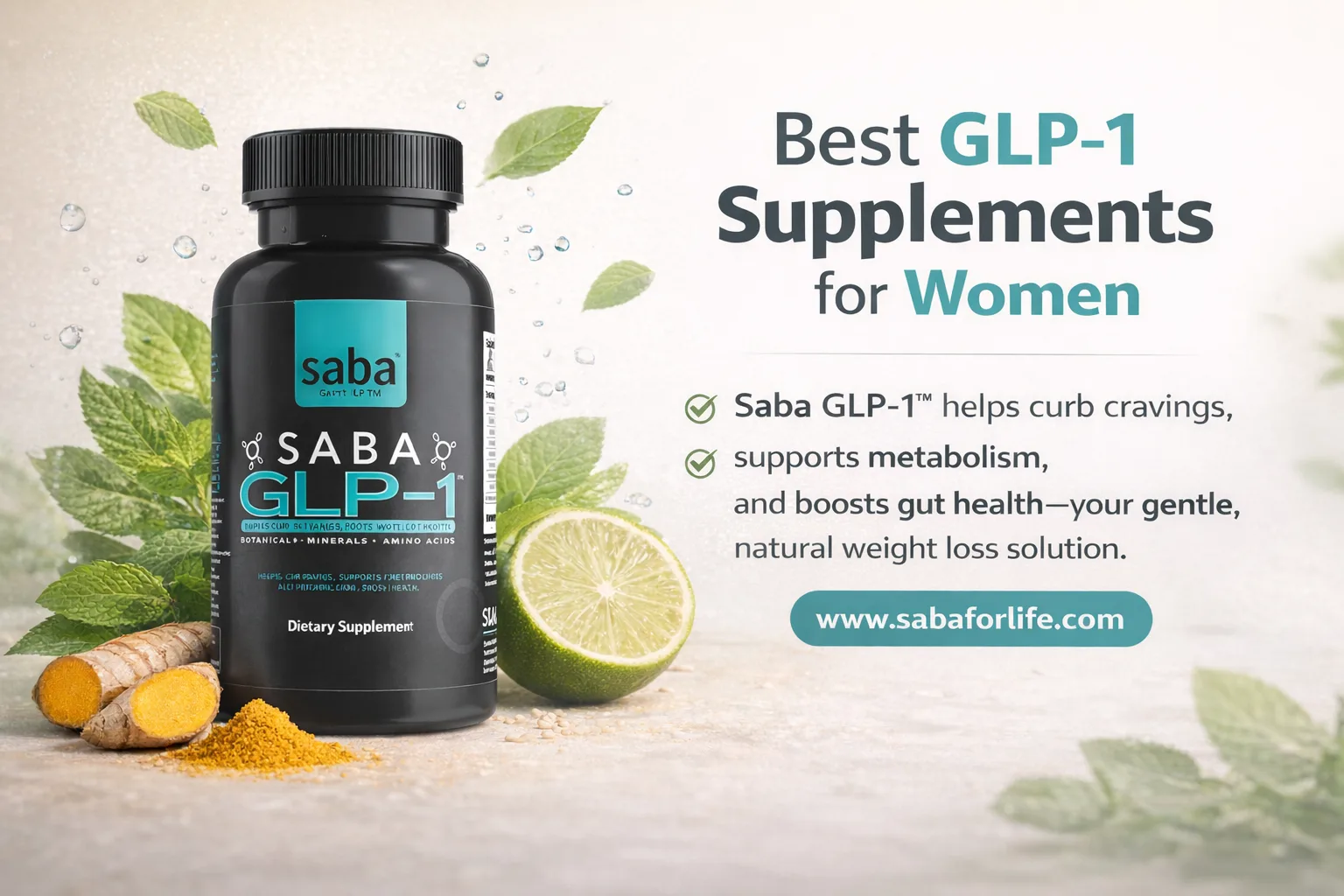
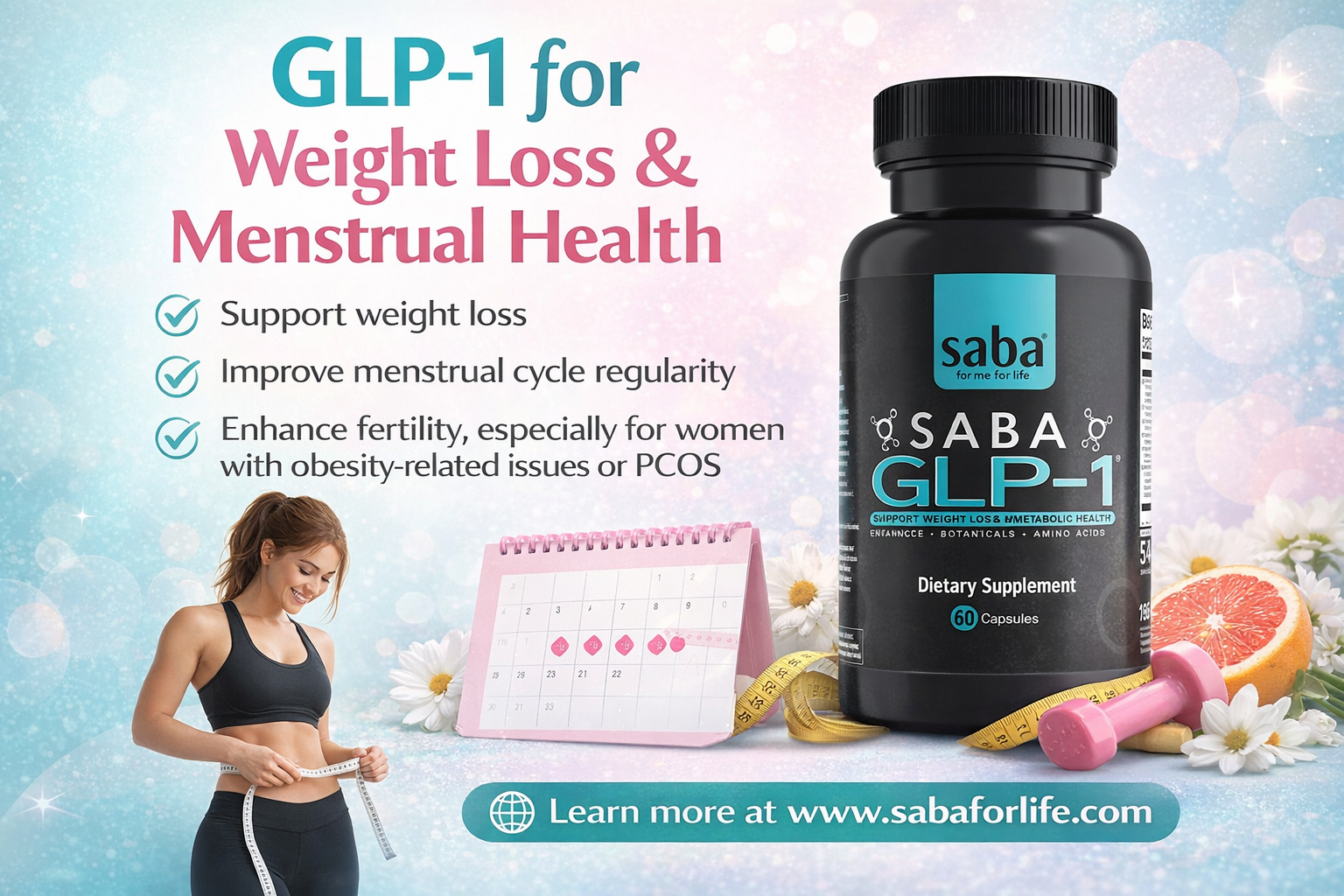
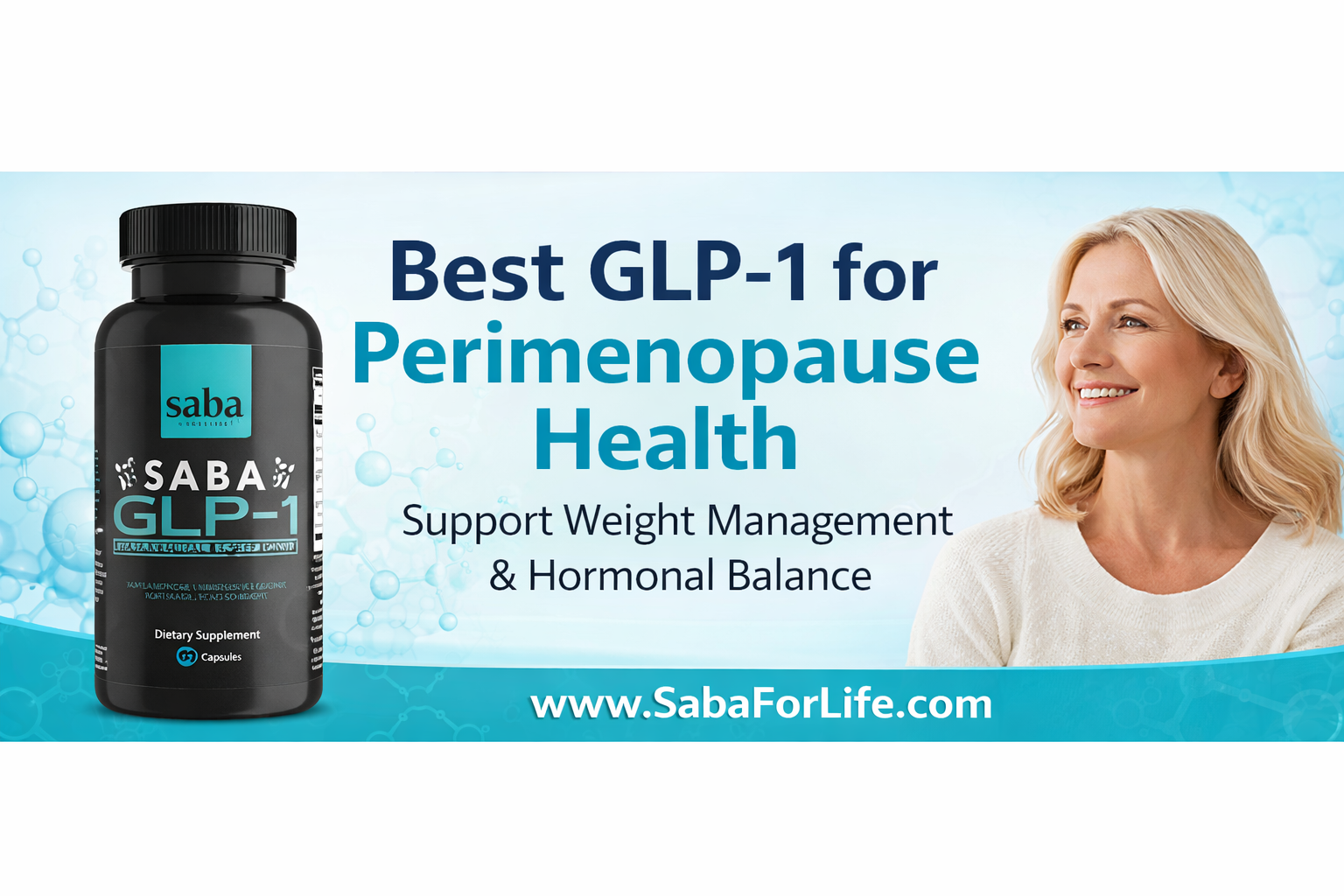
Best GLP-1 booster supplement for Metabolic Health in the U.S. of 2025- Saba
GLP-1 medications like Ozempic and Wegovy are effective for managing diabetes and weight, but they are not safe during pregnancy. If you are pregnant or planning to become pregnant, it’s crucial to consult with your healthcare provider to find safer alternatives for managing your health. Always prioritize your and your baby’s well-being when considering any medication during pregnancy.
If you have any concerns or questions about managing diabetes during pregnancy, don’t hesitate to seek professional medical advice. Your healthcare provider can guide you in choosing the safest and most effective treatment options.
To learn more about Saba GLP-1 supplement and how it can support your health and wellness journey, visit Saba’s Official Website. Explore the benefits of this groundbreaking product and start your path to natural, sustainable wellness.
For more information about Saba and its wellness products, visit Saba’s Facebook Page.
Disclaimers:
Results may vary. Saba GLP-1™ is not a GLP-1 drug, synthetic GLP-1, or GLP-1 agonist. This product has not been evaluated by the U.S. Food and Drug Administration (FDA). It is not intended to diagnose, treat, cure, or prevent any disease. For best results, use as directed on the label in combination with a balanced diet and healthy lifestyle. Always consult your healthcare provider before starting any new supplement.
†These statements have been evaluated by the Food and Drug Administration. This product is not intended to diagnose, treat, cure, or prevent any disease.