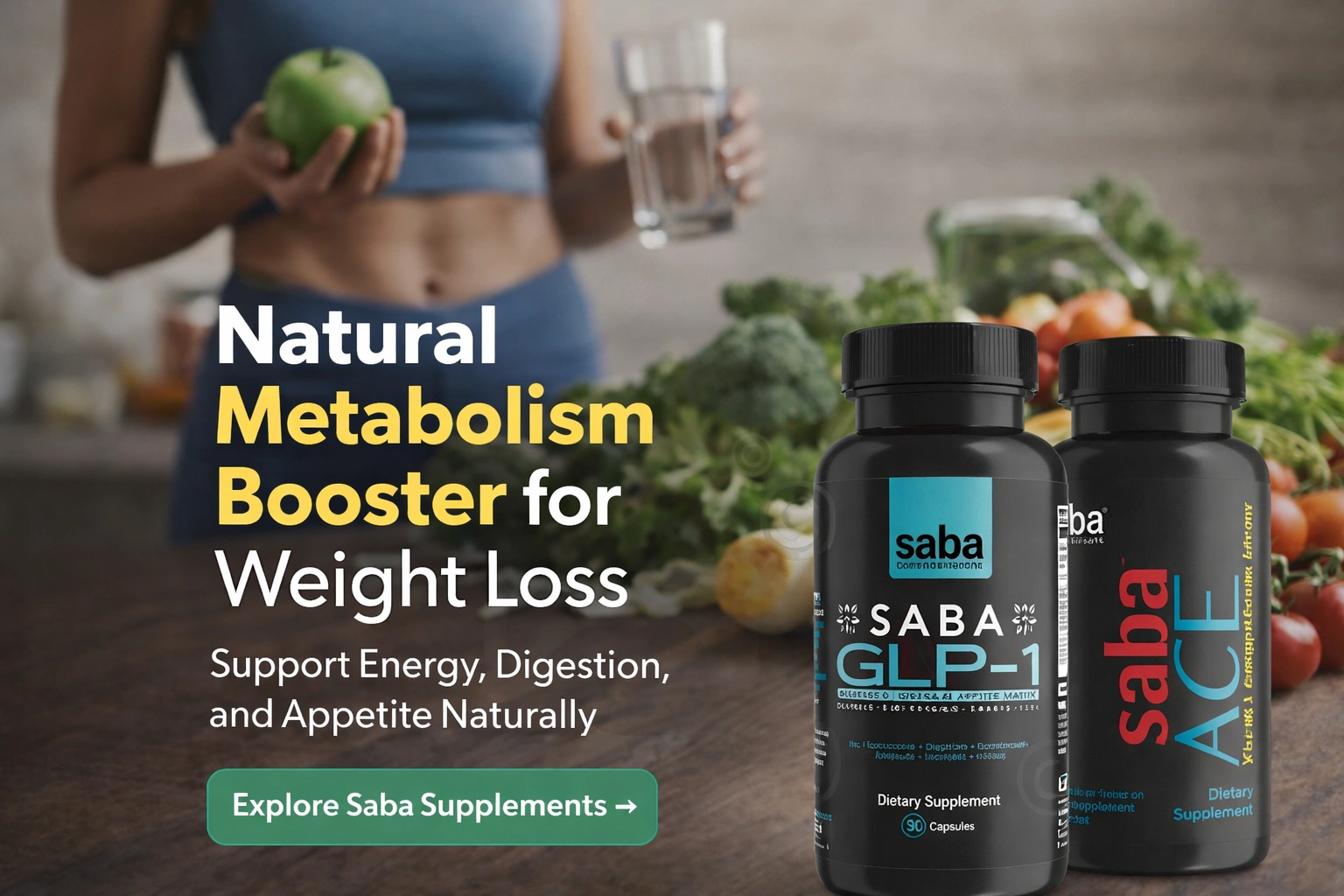
Belly fat can be one of the most stubborn types of weight to lose, and many people struggle to reduce it despite their best efforts. While exercise and a healthy diet are crucial, there’s another powerful factor that is often overlooked—gut health. Recent research has shown that probiotics, the beneficial bacteria that live in our digestive system, can play a significant role in reducing belly fat.
In this article, we’ll take an in-depth look at how probiotics work to support weight loss, particularly in the abdominal area, and we’ll explore the best probiotics for belly fat. Plus, we’ll dive into some natural ways to include probiotics in your diet to enhance your results.
What Are Probiotics and How Can They Help with Belly Fat?
Probiotics are live bacteria and yeasts that are beneficial for your health, especially when it comes to your digestive system. Our gut is home to trillions of bacteria, both good and bad. When the balance of these bacteria shifts in favor of harmful microbes, it can lead to problems like weight gain, digestive issues, and even mood disorders.
Interestingly, certain strains of probiotics can help reduce belly fat by promoting a healthy balance of gut bacteria. They do this by improving digestion, boosting metabolism, and reducing inflammation, which can all contribute to a flatter belly.
The Connection Between Gut Health and Belly Fat
The link between gut health and belly fat is becoming increasingly clear. Studies have shown that an imbalance of gut bacteria can influence the way our bodies store fat. For example, harmful bacteria in the gut can cause inflammation, which in turn leads to weight gain. On the other hand, a healthy gut microbiome can help regulate metabolism, reduce fat storage, and even improve the body’s ability to burn fat.
Probiotics can be particularly helpful because they work to restore the balance of bacteria in the gut. By introducing more “good” bacteria, probiotics can improve digestion and boost fat-burning processes, ultimately helping you lose belly fat.
Best Probiotics for Belly Fat: A Deep Dive Into the Top Strains
Now that we understand how probiotics can help with weight loss, let’s explore the best probiotics for belly fat. Some strains are particularly effective at promoting fat loss and improving overall gut health.
-
Lactobacillus Gasseri
Lactobacillus gasseri is one of the most researched probiotic strains when it comes to belly fat. Studies have shown that it may reduce abdominal fat, lower overall body weight, and even improve insulin resistance. This strain is particularly effective for those struggling with stubborn belly fat.
Where to find it: Lactobacillus gasseri is commonly found in fermented dairy products like yogurt and kefir, or you can take it as a supplement.
-
Bifidobacterium Lactis
Bifidobacterium lactis is another potent probiotic strain that may help with weight management. It has been shown to improve digestion, reduce bloating, and support healthy metabolism. Regular consumption of Bifidobacterium lactis can help you feel less bloated and contribute to overall fat loss, particularly around the belly area.
Where to find it: This strain is found in foods like yogurt, kefir, and other fermented dairy products.
-
Lactobacillus Rhamnosus
Lactobacillus rhamnosus is a strain that has been shown to promote fat loss and improve overall weight management. It has a unique ability to help regulate appetite and support fat burning, particularly in women. One study found that participants who took Lactobacillus rhamnosus experienced significant reductions in belly fat.
Where to find it: Lactobacillus rhamnosus is commonly available in probiotic supplements and fermented foods such as kefir and sauerkraut.
-
Lactobacillus Plantarum
Lactobacillus plantarum is a versatile strain that can help with digestion, reduce bloating, and promote weight loss. Research suggests that it may help regulate fat storage by improving gut health and reducing inflammation. By improving digestion, Lactobacillus plantarum helps your body absorb nutrients more efficiently, which can ultimately support fat loss.
Where to find it: This strain is found in fermented vegetables like kimchi and sauerkraut, as well as in certain supplements.
Natural Ways to Add Probiotics to Your Diet
Including probiotics in your diet doesn’t have to be difficult or expensive. There are plenty of natural, delicious foods that are rich in probiotics. Here are some of the best natural sources of probiotics that can help you lose belly fat:
-
Yogurt
Yogurt is one of the most well-known sources of probiotics. It contains live bacteria that can help restore the balance of gut bacteria and improve digestion. Choose plain, unsweetened yogurt to avoid added sugars that could counteract your weight loss goals.
-
Kefir
Kefir is a fermented dairy drink that is even richer in probiotics than yogurt. It contains a variety of beneficial bacteria and yeast, which can help improve digestion and promote a healthy gut microbiome. You can drink kefir on its own or add it to smoothies for a probiotic-packed treat.
-
Kimchi
Kimchi is a spicy Korean dish made from fermented vegetables, particularly cabbage. It’s packed with probiotics, especially Lactobacillus plantarum, which is beneficial for digestion and weight loss. Kimchi is low in calories and can add a burst of flavor to meals, making it a great addition to your diet.
-
Sauerkraut
Sauerkraut is made by fermenting cabbage and is rich in Lactobacillus strains. This tangy dish can help with digestion and is particularly effective at reducing bloating, a common issue when trying to lose belly fat. You can enjoy sauerkraut as a side dish or as a topping on salads and sandwiches.
-
Miso
Miso is a fermented paste made from soybeans, and it contains a variety of beneficial bacteria that support gut health. It can be used in soups, dressings, and marinades, making it an easy and flavorful way to add probiotics to your diet.
-
Pickles
Fermented pickles, made without vinegar, are another excellent source of probiotics. Look for pickles that are made with brine (not vinegar), as this helps preserve the beneficial bacteria. Pickles are an easy snack that can help maintain a healthy gut microbiome.
The Role of Prebiotics in Belly Fat Reduction
While probiotics are essential for gut health, prebiotics play a vital role too. Prebiotics are non-digestible fibers that feed the good bacteria in your gut. By incorporating both probiotics and prebiotics into your diet, you can create an environment that supports healthy digestion and fat loss.
Some common sources of prebiotics include garlic, onions, leeks, asparagus, and bananas. Adding these foods to your diet can help your probiotics thrive and maximize their effectiveness.
Top Probiotics for Belly Fat- Natural Supplements for Effective Weight Loss
Belly fat can be difficult to lose, but probiotics offer a natural and effective solution. By introducing the right strains of probiotics into your diet, you can support healthy digestion, reduce bloating, and ultimately lose fat, particularly around your midsection. The best probiotics for belly fat, such as Lactobacillus gasseri, Bifidobacterium lactis, and Lactobacillus rhamnosus, have been shown to help regulate fat storage and improve metabolism.
Incorporating probiotic-rich foods like yogurt, kefir, kimchi, and sauerkraut into your diet is an easy and enjoyable way to boost your gut health and reduce belly fat naturally. Additionally, don’t forget about prebiotics, as they help feed your beneficial bacteria and enhance the effects of probiotics.
By focusing on a balanced approach that includes both probiotics and a healthy lifestyle, you can achieve a healthier gut and a slimmer waistline in a natural, sustainable way. Remember, consistency is key when it comes to gut health and weight loss, so make these probiotics a regular part of your daily routine.
FAQs- Best Probiotics for Belly Fat
1. Can probiotics help reduce belly fat?
Yes, certain probiotic strains like Lactobacillus gasseri and Bifidobacterium lactis have been shown to support fat loss, particularly in the abdominal area. They work by improving digestion, boosting metabolism, and reducing inflammation, which can contribute to a slimmer waistline.
2. Which probiotic is best for belly fat?
The most effective probiotics for belly fat include Lactobacillus gasseri, Bifidobacterium lactis, Lactobacillus rhamnosus, and Lactobacillus plantarum. These strains have been linked to weight loss and fat reduction, especially around the stomach area.
3. How do probiotics work to help with weight loss?
Probiotics help balance the gut microbiome, which is crucial for digestion and metabolism. A healthy gut can improve nutrient absorption, reduce bloating, and support fat-burning processes, ultimately aiding in weight loss and the reduction of belly fat.
4. Can I get probiotics naturally from food?
Yes! Natural sources of probiotics include yogurt, kefir, sauerkraut, kimchi, miso, and pickles (fermented without vinegar). These probiotic-rich foods help restore the balance of good bacteria in your gut and promote better digestion.
5. How long does it take to see results from probiotics?
Results can vary depending on the individual. However, it generally takes a few weeks to a few months of consistent probiotic intake to notice significant changes in digestion and fat loss. For optimal results, combine probiotics with a healthy diet and exercise routine.
6. Are there any side effects of taking probiotics?
For most people, probiotics are safe and well-tolerated. However, some may experience mild digestive discomfort, such as bloating or gas, especially when starting probiotics. If you have any underlying health conditions, it’s best to consult a healthcare provider before starting probiotics.
7. Can I take probiotic supplements for belly fat?
Yes, probiotic supplements are a convenient way to ensure you’re getting the right strains of probiotics. Look for supplements that contain strains like Lactobacillus gasseri and Bifidobacterium lactis, which are particularly effective for weight management and fat reduction.
8. Do I need to take probiotics every day?
For consistent benefits, it’s recommended to take probiotics daily. Regular consumption helps maintain a healthy balance of gut bacteria, supporting long-term digestive health and weight management.
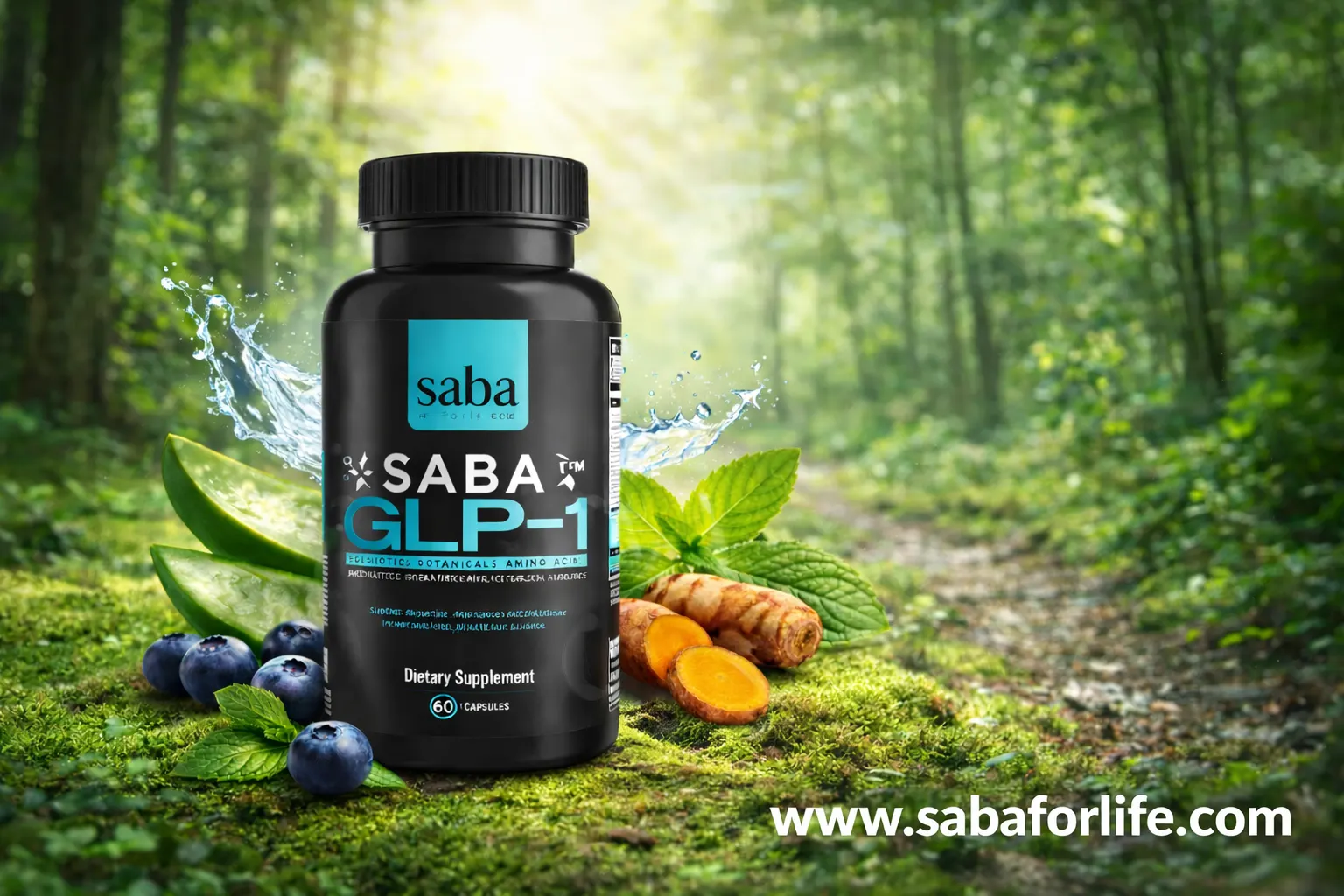
For more information about Saba and its wellness products, visit Saba’s Facebook Page. And GLP-1 boosters and how they can improve your health, visit www.sabaforlife.com.
Disclaimers-
Results may vary. Saba GLP-1™ is not a GLP-1 drug, synthetic GLP-1, or GLP-1 agonist. This product has not been evaluated by the U.S. Food and Drug Administration (FDA). It is not intended to diagnose, treat, cure, or prevent any disease. For best results, use as directed on the label in combination with a balanced diet and healthy lifestyle. Always consult your healthcare provider before starting any new supplement.