Best Probiotics for Belly Fat and Bloating That Actually Work for Women, Men & Over 50
If you’ve noticed that your stomach looks flat in the morning but is bloated and uncomfortable by night, the issue might not be fat alone. Many Americans struggle with hidden gut issues, bloating, and digestive imbalance even after eating healthy and exercising. The right probiotics can help support digestion, reduce bloating, and indirectly assist with weight management by targeting the real causes of belly discomfort.
Probiotics are especially important for people in the USA who face stress, processed diets, and irregular routines. Using the right probiotic strains can also improve metabolism and cravings control, helping achieve a flatter stomach without extreme dieting.
Why Your Belly Appears Bigger Than It Should
A swollen or puffy stomach often isn’t due to fat. Gut imbalance, trapped gas, inflammation, and slow bowel movement are frequently overlooked contributors. Understanding the difference between actual belly fat and temporary bloating is crucial for selecting the right probiotic.
People often ignore small gut symptoms, thinking they are normal, but over time these can contribute to weight management issues and discomfort.
Flat in the Morning, Bloated by Evening
Many people experience a stomach that looks flat after waking but expands throughout the day. This is usually caused by trapped gas, slow bowel transit, water retention, and inflammation from certain foods. Morning bloating is often minimal, but evening discomfort can be significant.
Bullets:
- Trapped gas from digestion
- Slow bowel transit
- Water retention
- Inflammation from certain foods
Constipation Belly vs Fat
Stubborn bloating can mimic fat. If you notice hard or uncomfortable pressure in your lower abdomen, it might be constipation-related rather than actual fat storage. Understanding this distinction helps you choose probiotics that are effective for gut motility and digestion.
Stress and Hormones
High stress increases cortisol, slowing digestion and encouraging water retention. Hormonal shifts, especially in women over 35 or men with changing testosterone levels, can worsen abdominal puffiness. Balancing stress and hormones is key to reducing belly bloating and achieving visible results.
Best Probiotic Strains for Specific Belly Problems
Choosing probiotics based on strain and problem mapping gives much better results than picking random supplements. Each probiotic strain has unique properties that target specific gut and digestive concerns.
Lactobacillus Gasseri — Lower Belly Puffiness
Helps reduce abdominal swelling and supports waistline management by balancing gut flora. This strain is clinically studied for reducing visceral fat and evening bloating, making it ideal for women and men experiencing post-meal swelling.
Bullets:
- Supports reduction of lower belly puffiness
- Reduces bloating after meals
- Promotes anti-inflammatory gut balance
Bifidobacterium Lactis — Constipation Belly
Ideal for those with irregular bowel movements. B. lactis enhances gut motility, reduces hard lower stomach feeling, and improves regularity, helping the belly appear flatter naturally.
Bullets:
- Improves bowel regularity
- Reduces constipation pressure
- Smooths digestion for lighter stomach feel
Lactobacillus Rhamnosus — Cravings & Stress Eating (Women)
Supports gut-brain communication, which may help with appetite control, sugar cravings, and stress-related bloating. Especially useful for women dealing with PMS or emotional eating patterns.
Bullets:
- Reduces cravings
- Supports emotional eating balance
- PMS bloating relief
Lactobacillus Acidophilus — Daily Gut Health
A foundational strain that maintains digestive comfort and reduces gas formation. Acidophilus supports everyday digestion, dairy processing, and gut immune defense.
Bullets:
- Gas and bloating relief
- Dairy digestion support
- Daily gut flora maintenance
Best Probiotics for Women by Age and Concern
Women’s gut needs change across life stages. Targeted probiotics help manage specific digestive and bloating issues. Using age-specific probiotics ensures the strains address hormonal and metabolic changes.
Women 20s–30s
Probiotics in this age group support stress-induced bloating, PMS discomfort, and occasional constipation. Early adoption helps maintain gut balance before major hormonal shifts occur.
Bullets:
- Stress and PMS bloating support
- Regular digestion
- Healthy metabolism and appetite control
Postpartum Women
Aid digestion recovery, reduce bloating, and support metabolism. Post-pregnancy, women often experience gut changes and need probiotics that restore healthy microbiome balance.
Bullets:
- Digestive recovery
- Reduce postpartum bloating
- Support metabolism
Women Over 50 (Menopause Belly)
Addresses slower gut transit, hormonal bloating, and inflammation with strains like B. lactis and L. gasseri combined with prebiotics. This helps manage waistline expansion and improves overall gut health.
Bullets:
- Slow gut transit support
- Menopause-related bloating reduction
- Anti-inflammatory benefits
Best Probiotics for Men and Belly Fat
Men often experience bloating due to heavy protein meals, alcohol, and sedentary lifestyles. The right probiotics can target digestive discomfort, inflammation, and gut imbalance while supporting metabolism.
Key Strains for Men
Selecting strains that aid protein digestion, bowel regularity, and gut diversity is essential for reducing beer belly appearance.
- Lactobacillus acidophilus for daily digestion
- Bifidobacterium lactis for bowel support
- Digestive enzymes for protein breakdown
- Soil-based probiotics for overall gut diversity
Common Male Pain Points
Understanding common male gut issues helps select the most effective probiotics.
- Beer belly appearance from gut inflammation
- Evening stomach swelling after large meals
- Stress-related digestive slowdown
Why Your Probiotic Might Not Be Working
Even the best probiotics fail without proper strain choice, dosage, or supportive habits. Many users give up too soon, not realizing that complementary lifestyle practices are essential.
- Wrong probiotic strain for your issue
- Low CFU count
- Lack of prebiotic support
- Incorrect timing with antibiotics or empty stomach
- Continuing artificial sweeteners or high-sodium foods
7-Day Belly De-Bloat Protocol
A practical routine to complement probiotic intake and reduce visible bloating.
- Day 1: Take probiotic with warm water before breakfast
- Day 2: Remove soda and carbonated drinks
- Day 3: 15-minute walk after dinner
- Day 4: Reduce whey protein if bloating
- Day 5: Eat magnesium-rich foods (spinach, nuts)
- Day 6: Balance fiber intake (not too much, not too little)
- Day 7: Gut reset with probiotic + prebiotic combo
USA Buyer Checklist for Probiotic Supplements
When choosing probiotics in the USA, ensure products meet quality standards and contain the right strains for your needs. Checking certification and CFU counts ensures the supplement works effectively.
- GMP-certified and third-party tested
- Delayed-release capsules
- Multi-strain blends with 25B+ CFU
- Shelf-stable formula
- Free from unnecessary fillers
FAQs
What is the best probiotic for belly fat female users?
Look for Lactobacillus gasseri, B. lactis, and L. rhamnosus for bloating, cravings, and waistline support.
What is the best probiotic for men with belly bloating?
Acidophilus, B. lactis, and digestive enzyme combinations work well, especially for heavy meals.
Can probiotics flatten your stomach in a week?
Bloating may reduce within 3–7 days, but significant gut balance improvements usually take 4–8 weeks.
Which probiotic is best for women over 50 belly fat?
L. gasseri, Bifidobacterium strains, and prebiotic fiber support menopause-related bloating and gut balance.
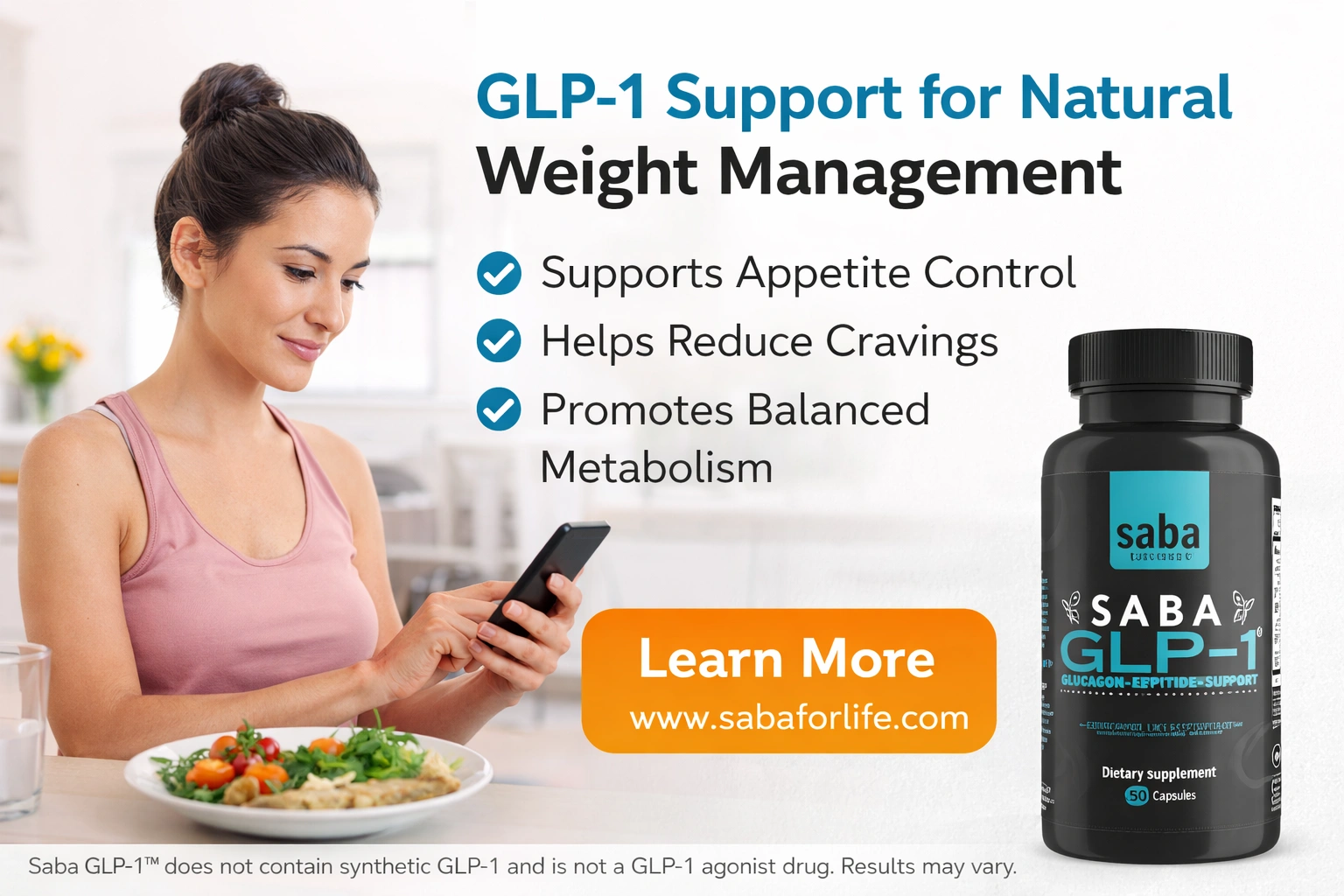
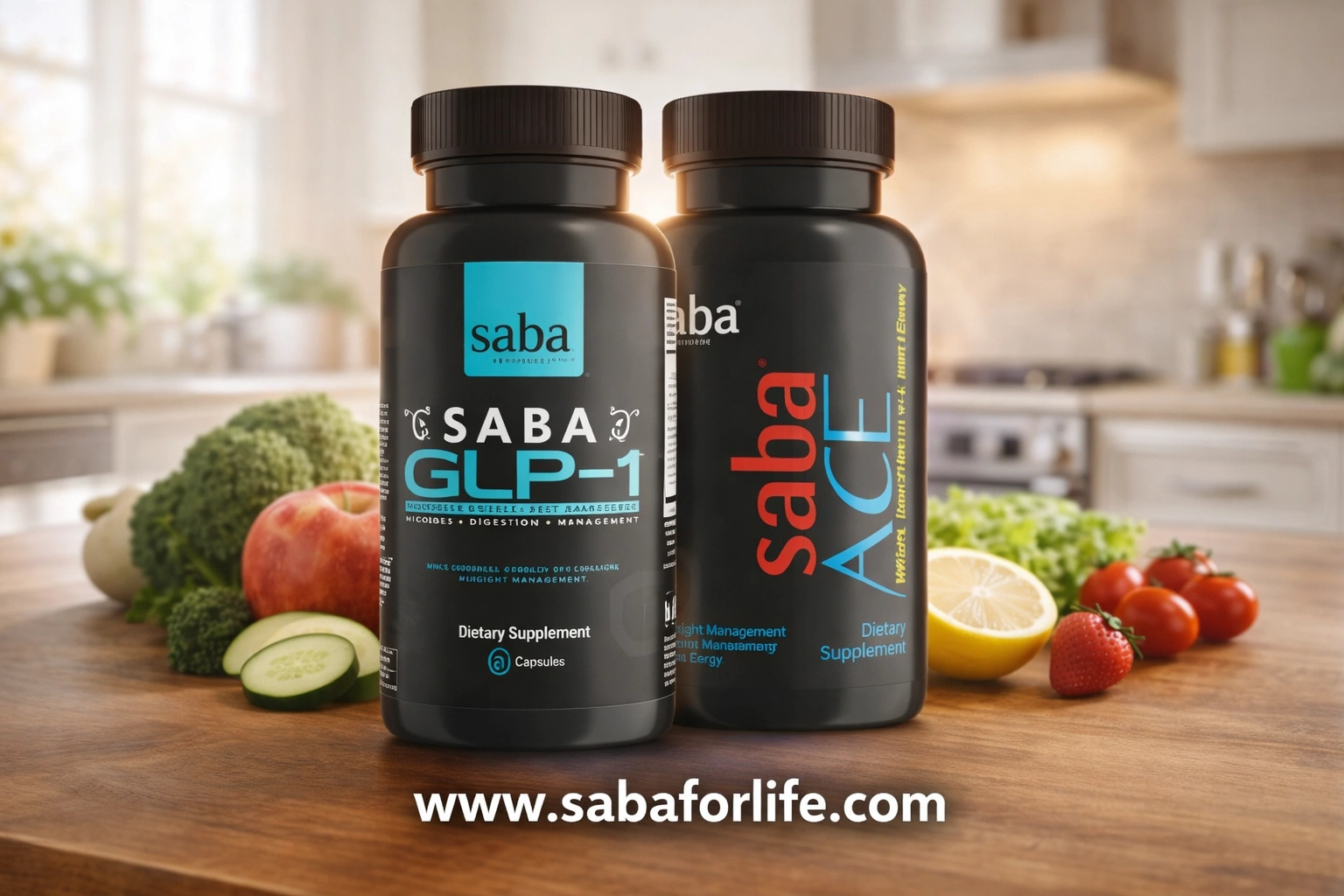
Saba GLP-1™ is designed to support natural weight management, gut health, and belly bloating relief with a powerful blend of probiotic strains and wellness-focused ingredients. If your stomach feels bigger by evening, digestion feels slow, or cravings make weight loss harder, this formula helps support the real root issue—gut imbalance and poor digestion.
By promoting healthy gut bacteria, smoother digestion, reduced lower belly puffiness, and natural appetite support, Saba GLP-1™ helps women and men feel lighter, more energized, and more confident in their wellness journey. It does not contain synthetic GLP-1 and is not a GLP-1 agonist drug. Results may vary, and it’s always best to consult a healthcare professional before use.
Saba GLP-1™ does not contain synthetic GLP-1 and is not a GLP-1 agonist drug. Results may vary. Always consult a healthcare professional before use.
For more information about Saba and its wellness products, visit Saba’s Facebook Page. And GLP-1 boosters and how they can improve your health, visit www.sabaforlife.com.
Disclaimers-
Results may vary. Saba GLP-1™ is not a GLP-1 drug, synthetic GLP-1, or GLP-1 agonist. This product has not been evaluated by the U.S. Food and Drug Administration (FDA). It is not intended to diagnose, treat, cure, or prevent any disease. For best results, use as directed on the label in combination with a balanced diet and healthy lifestyle. Always consult your healthcare provider before starting any new supplement.