
Hormonal balance plays a crucial role in women’s health, particularly when it comes to metabolism, appetite regulation, and weight management. One emerging topic in metabolic research is the relationship between GLP-1 and menstrual cycle changes. Understanding this connection can help women manage cravings, support metabolic health, and improve overall wellness.
GLP-1 (Glucagon-Like Peptide-1) is a hormone involved in appetite control, blood sugar regulation, and fat metabolism. Because hormonal fluctuations occur throughout the menstrual cycle, these changes may influence how the body responds to appetite signals and metabolic processes. By understanding how GLP-1 and menstrual cycle hormones interact, women can take a more strategic approach to nutrition, lifestyle habits, and natural metabolic support.
What Is GLP-1 and Why Does It Matter for Women’s Metabolism?
GLP-1 is a naturally occurring hormone released by the gut after eating. It plays an important role in maintaining metabolic balance by regulating hunger signals and blood sugar levels.
Key functions of GLP-1 include:
- Supporting appetite control and satiety
- Helping regulate blood sugar levels
- Slowing gastric emptying for better digestion
- Supporting healthy insulin response
- Promoting efficient fat metabolism
Because of these benefits, GLP-1 has become a focus in modern metabolic health research. Many experts now recognize that GLP-1 hormone activity can influence weight management, energy balance, and cravings control, particularly for individuals experiencing hormonal fluctuations.
For women, these hormonal variations naturally occur throughout the menstrual cycle.
Understanding the Menstrual Cycle and Hormonal Changes
The menstrual cycle typically lasts between 21 and 35 days and is divided into different phases that influence energy levels, appetite, and metabolism.
These hormonal changes may affect the way the body processes food, regulates blood sugar, and responds to hunger signals.
Follicular Phase: Improved Metabolic Balance
The follicular phase begins after menstruation and continues until ovulation. During this stage, estrogen levels gradually increase.
This phase is often associated with:
- Improved insulin sensitivity
- Better energy levels
- More stable appetite signals
Some researchers suggest that GLP-1 response may be more efficient during this phase, which can support better appetite regulation and metabolic balance.
Ovulation Phase: Peak Hormonal Balance
Around the middle of the cycle, ovulation occurs and estrogen levels reach their peak.
During this stage, many women experience:
- Increased energy
- Balanced appetite levels
- Improved metabolic efficiency
This phase may naturally support healthy metabolism when combined with balanced nutrition and regular physical activity.
Luteal Phase: Increased Cravings and Hunger
After ovulation, progesterone levels rise and estrogen levels begin to decline.
During the luteal phase, women may experience:
- Increased hunger and cravings
- Higher calorie intake
- Changes in blood sugar balance
- Lower energy levels
This stage is when the connection between GLP-1 and menstrual cycle cravings becomes more noticeable. Hormonal fluctuations may influence hunger signals and make appetite control more challenging.
The Link Between GLP-1 and Menstrual Cycle Cravings
One of the most common questions women ask is why cravings increase before menstruation.
Research suggests that hormonal shifts—particularly increases in progesterone—can influence appetite signals and blood sugar regulation. These changes may affect how the body responds to satiety hormones like GLP-1.
This is why many women notice:
- Stronger sugar cravings before their period
- Increased appetite during the luteal phase
- Difficulty maintaining calorie balance
Understanding the relationship between GLP-1 and menstrual cycle appetite changes can help women adopt healthier strategies for managing cravings and supporting metabolic health.
Gut Health, Hormones, and GLP-1 Production
The gut plays an important role in GLP-1 production. Certain gut bacteria stimulate the release of GLP-1 after food intake, which helps regulate hunger and digestion.
Healthy gut function supports:
- Balanced appetite signals
- Stable blood sugar levels
- Improved digestion
- Better hormone regulation
Because of this connection, many experts recommend focusing on gut-friendly nutrition, fiber intake, and microbiome health to support natural GLP-1 activity.
Foods that support gut health include:
- Fiber-rich vegetables
- Fermented foods
- Whole grains
- Prebiotic and probiotic foods
These dietary choices may help support natural GLP-1 production and metabolic balance.
Natural Strategies to Support GLP-1 and Metabolic Health
Many people are exploring natural ways to support GLP-1 activity as part of a healthy lifestyle. While supplements are not a replacement for medical care, certain strategies may help support appetite control and metabolic balance.
Focus on High-Fiber Nutrition
Dietary fiber slows digestion and helps maintain stable blood sugar levels. It also promotes the release of satiety hormones that help regulate appetite.
Examples include:
- Oats
- Chia seeds
- Lentils
- Leafy vegetables
Increase Protein Intake
Protein-rich foods promote satiety and help regulate appetite hormones.
Healthy protein sources include:
- Eggs
- Greek yogurt
- Lean meats
- Plant-based protein sources
Support Gut Health
A healthy gut microbiome supports hormone signaling and metabolic health.
Probiotic foods and postbiotic compounds may help maintain healthy digestive function and support GLP-1 activity.
Supporting GLP-1 Naturally with Advanced Supplements
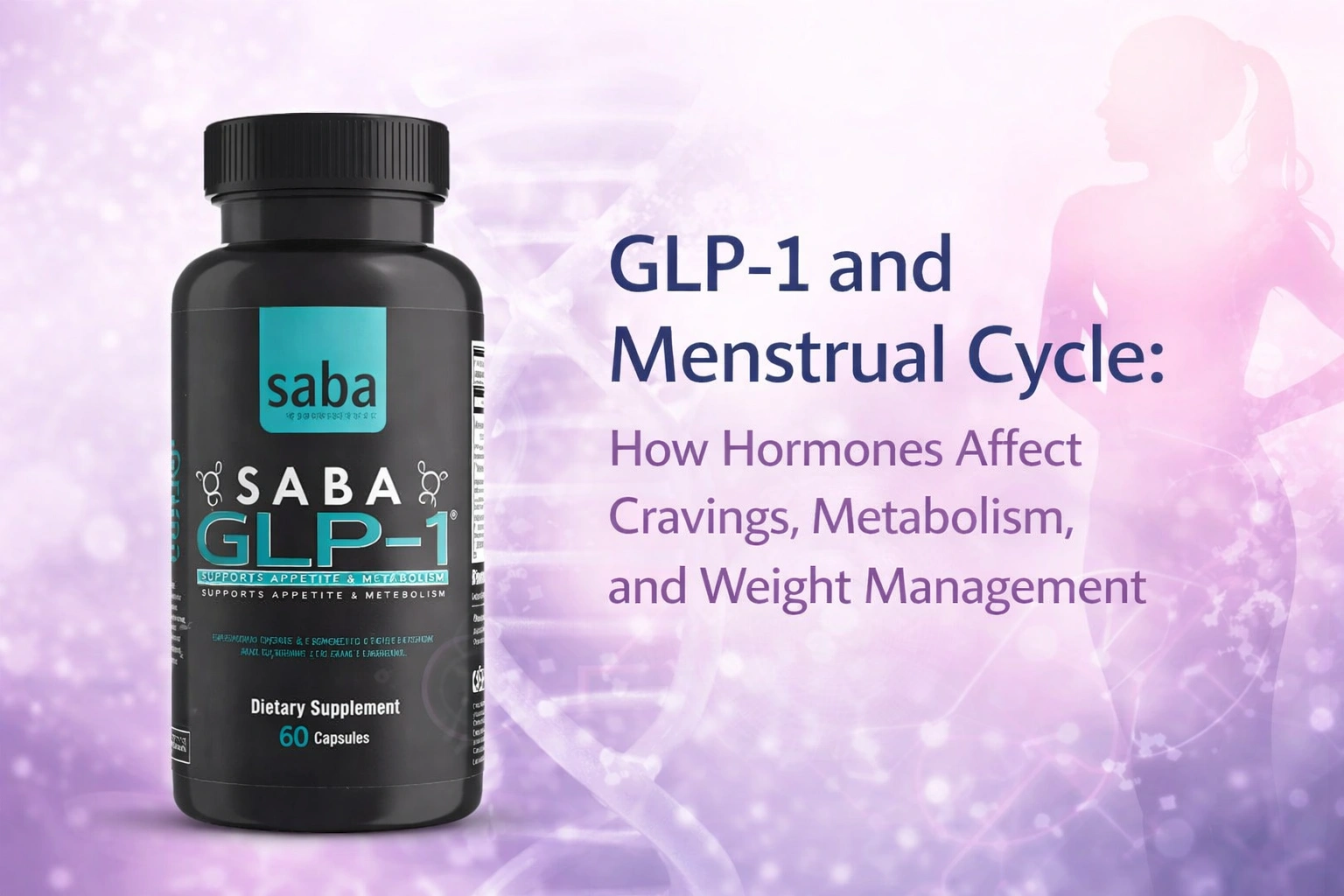
For individuals looking to support metabolic health and appetite control, supplements designed to enhance the body’s natural GLP-1 response can be a helpful addition to a healthy lifestyle. Saba GLP-1™ is an award-winning, clinically backed supplement formulated to naturally support the body’s GLP-1 production — the key hormone responsible for regulating hunger, metabolism, and blood sugar balance. Unlike prescription GLP-1 medications that require injections, this advanced formula uses natural ingredients to help curb cravings, promote healthy fat metabolism, and support steady energy levels throughout the day. With its focus on metabolic support, digestion, and balanced blood sugar, Saba GLP-1™ works as both a metabolism booster supplement and a blood sugar support supplement, making it a convenient option for individuals seeking a natural approach to weight management and overall wellness.
Practical Tips for Managing Weight Throughout the Menstrual Cycle
Because hormone levels fluctuate throughout the cycle, weight management strategies may work best when they adapt to these natural changes.
Helpful approaches include:
-
Tracking menstrual cycle patterns
-
Prioritizing balanced meals and protein intake
-
Staying physically active throughout the month
-
Supporting gut health with fiber-rich foods
-
Managing stress and getting adequate sleep
By understanding the connection between GLP-1 and menstrual cycle metabolism, women can create a more sustainable and personalized approach to health.
Final Thoughts
The relationship between GLP-1 and menstrual cycle hormones highlights how metabolism, appetite, and hormonal balance are deeply connected. Changes in estrogen and progesterone throughout the cycle can influence hunger signals, cravings, and metabolic efficiency.
By supporting gut health, focusing on balanced nutrition, and exploring natural metabolic support options, women can better manage appetite fluctuations and maintain long-term metabolic health.
Understanding how GLP-1 interacts with menstrual cycle hormones provides a more holistic approach to weight management and overall wellness.
FAQs-
1. Does GLP-1 affect the menstrual cycle?
GLP-1 primarily regulates appetite, blood sugar, and metabolism, but it may indirectly influence the menstrual cycle because metabolic health and hormones are closely connected. Balanced blood sugar and improved metabolic function can support overall hormonal health, which may help maintain a more regular menstrual cycle.
2. Why do cravings increase before a period?
Cravings often increase during the luteal phase of the menstrual cycle due to rising progesterone levels and changes in blood sugar regulation. These hormonal shifts can increase hunger and cravings for carbohydrates or sugary foods. Supporting appetite hormones like GLP-1 may help manage these cravings.
3. Can GLP-1 help with appetite control during the menstrual cycle?
GLP-1 is known for its role in reducing hunger and increasing feelings of fullness. Supporting healthy GLP-1 activity may help regulate appetite and make it easier to manage cravings that often occur during certain phases of the menstrual cycle.
4. Are natural GLP-1 supplements effective for weight management?
Natural GLP-1 supporting supplements are designed to help enhance the body’s natural hormone response related to appetite and metabolism. When combined with a balanced diet, physical activity, and healthy lifestyle habits, they may support cravings control, energy levels, and fat metabolism.
5. How does gut health influence GLP-1 production?
The gut plays a major role in GLP-1 production. Certain gut bacteria help stimulate the release of GLP-1 after eating. Improving gut health through fiber-rich foods, probiotics, and postbiotics may support healthy GLP-1 activity and better metabolic balance.
6. Can natural fat burning supplements support metabolic health?
Many natural fat burning supplements contain ingredients that support metabolism, appetite regulation, and blood sugar balance. When used responsibly and alongside healthy lifestyle habits, these supplements may help improve metabolic efficiency and support long-term weight management.
7. Who should consider GLP-1 supporting supplements?
Individuals who struggle with frequent cravings, low energy, blood sugar fluctuations, or weight management challenges may benefit from supplements designed to support natural GLP-1 activity. However, it is always recommended to consult a healthcare professional before starting any new supplement.
or more information about Saba and its wellness products, visit Saba’s Facebook Page. And GLP-1 boosters and how they can improve your health, visit www.sabaforlife.com.
Disclaimers-
Results may vary. Saba GLP-1™ is not a GLP-1 drug, synthetic GLP-1, or GLP-1 agonist. This product has not been evaluated by the U.S. Food and Drug Administration (FDA). It is not intended to diagnose, treat, cure, or prevent any disease. For best results, use as directed on the label in combination with a balanced diet and healthy lifestyle. Always consult your healthcare provider before starting any new supplement.