
Are you considering GLP-1 medications like Ozempic, Wegovy, or Mounjaro for weight loss but worried about how they might affect your periods? This comprehensive guide answers all your questions about these popular weight loss drugs and their impact on menstrual health.
Understanding GLP-1 Weight Loss Drugs
GLP-1 (glucagon-like peptide-1) receptor agonists are revolutionary medications that have transformed weight loss treatment. Originally developed for diabetes, these drugs work by mimicking your body’s natural hormones to reduce appetite and help you feel full longer.
Popular GLP-1 medications include-
- Semaglutide (Ozempic, Wegovy)
- Liraglutide (Saxenda)
- Tirzepatide (Mounjaro, Zepbound)
These medications have shown remarkable results, with patients experiencing weight loss ranging from 6-30% of their starting body weight .
The Weight-Menstrual Cycle Connection
Your menstrual cycle is intricately connected to your overall health and body weight. Understanding this relationship is crucial when considering any weight loss intervention.
Weight significantly impacts reproductive health in several ways. Obesity is often associated with irregular menstrual cycles, heavy bleeding, and fertility challenges. Conversely, significant weight loss can initially disrupt your cycle as your body adjusts to hormonal changes, but typically leads to improved menstrual regularity over time.
The hypothalamic-pituitary-ovarian axis, which controls your menstrual cycle, is highly sensitive to changes in body weight, nutrition, and metabolic health. This explains why dramatic weight changes, whether gain or loss, can temporarily affect your periods.
Do GLP-1 Drugs Directly Affect Your Period?
Here’s what current research reveals about GLP-1 medications and menstrual health:
Clinical trials don’t list menstrual changes as primary adverse effects in the official prescribing information for most GLP-1 medications . However, real-world patient experiences tell a different story.
Patient reports on forums and social media have highlighted menstrual irregularities as potential effects of GLP-1 agonists, suggesting there may be a gap between controlled clinical studies and actual patient experiences . This doesn’t mean the medications are unsafe, but rather that individual responses can vary.
The primary factor affecting menstrual cycles appears to be the significant weight loss these medications produce, rather than direct hormonal interference. Research shows that GLP-1 receptor agonists can impact reproductive health in women, particularly those with obesity-related conditions .
Positive Effects on Reproductive Health
For many women, especially those struggling with obesity-related reproductive issues, GLP-1 can actually improve menstrual health and fertility outcomes.
Women with PCOS (Polycystic Ovary Syndrome) often experience significant benefits. Research demonstrates that substantial weight loss interventions affect hormonal levels including testosterone, prolactin, LH, and FSH, which directly impact menstrual cycles and reproductive health . This can lead to more regular ovulation and improved fertility.
GLP-1 medications can optimize fertility in women of reproductive age through effective weight management . The improved metabolic health that comes with weight loss often translates to better reproductive function, more regular cycles, and enhanced fertility markers.
Beyond fertility, many women experience reduced heavy bleeding, especially those who were overweight before starting treatment. The anti-inflammatory effects of weight loss can also improve overall reproductive health and reduce symptoms associated with metabolic dysfunction.
What Changes Should You Expect?
Understanding what’s normal can help you navigate your experience with GLP-1 medications more confidently.
During the first 3-6 months of treatment, you might experience temporary menstrual changes. These can include irregular cycle timing, changes in flow (either lighter or heavier), delayed periods, or modifications in PMS symptoms. These changes are typically your body’s response to rapid weight loss and hormonal adjustments.
Long-term effects are generally positive, especially for women who were overweight before treatment. Most women eventually experience more regular cycle patterns, improved reproductive health markers, and better overall menstrual health. The temporary disruption often gives way to improved hormonal balance.
Individual responses vary significantly. Some women notice changes within the first month, while others may not experience any menstrual changes at all. Your baseline health, starting weight, rate of weight loss, and individual hormonal profile all influence your experience.
Special Considerations for Different Life Stages-
Perimenopause and GLP-1 medications can be a particularly beneficial combination. During this transitional phase, hormonal fluctuations often cause weight gain and irregular periods. GLP-1 agonists can help manage perimenopausal weight gain, improve metabolic health during hormonal transitions, and potentially reduce some symptoms associated with this life stage .
For women in their reproductive years who are trying to conceive, the fertility benefits of achieving a healthy weight often outweigh temporary menstrual disruptions. Many women find that their cycles become more regular and predictable after the initial adjustment period, actually improving their chances of conception.
Younger women may experience more noticeable cycle changes initially, but also tend to adapt more quickly to the metabolic changes these medications produce.
When to Seek Medical Attention
While most menstrual changes are temporary and harmless, certain symptoms warrant immediate medical attention.
Contact your healthcare provider if you experience complete absence of periods for three or more months, extremely heavy bleeding that requires changing protection every hour, severe pelvic pain that interferes with daily activities, or any signs of pregnancy. Remember, these medications should be discontinued if you become pregnant.
It’s also important to seek guidance if menstrual changes are causing significant distress or interfering with your quality of life. Your healthcare provider can help determine whether adjustments to your treatment plan are necessary.
Managing Your Health While on GLP-1 Medications
Tracking your menstrual cycle becomes even more important when starting these medications. Use a reliable period tracking app to monitor changes in timing, flow, and symptoms. This information will be valuable for your healthcare provider in assessing your response to treatment.
Maintaining overall health despite reduced appetite is crucial. Focus on nutrient-dense foods, stay well-hydrated, prioritize adequate sleep, and manage stress levels. These factors all influence hormonal balance and can help minimize menstrual disruptions.
Regular communication with your healthcare team is essential. Don’t hesitate to discuss any concerns with your prescribing physician, and consider consulting a gynecologist if changes persist beyond the initial adjustment period. Never stop your medication abruptly without medical guidance.
The Science Behind the Effects
Research continues to evolve in understanding how GLP-1 medications affect reproductive health. Current studies suggest that the primary mechanism of menstrual changes is through the dramatic weight loss these medications produce, rather than direct hormonal interference with reproductive systems .
The medications work by affecting satiety hormones and gastric emptying, which indirectly influences the complex interplay of hormones that regulate your menstrual cycle. As your body composition changes and metabolic health improves, your reproductive system often responds positively.
Long-term studies are showing increasingly positive outcomes for women’s reproductive health, particularly for those who had obesity-related menstrual irregularities before treatment.
Frequently Asked Questions-
Will GLP-1 drugs make my periods stop completely?
Complete cessation of periods is uncommon and usually temporary if it occurs. Most women experience changes in timing, flow, or symptoms rather than complete absence of menstruation.
Can I get pregnant while taking GLP-1 medications?
Yes, and many women actually experience improved fertility due to weight loss and better metabolic health. However, these medications should be discontinued if you become pregnant, so reliable contraception is important if you’re not trying to conceive.
How long do menstrual changes typically last?
Most temporary changes resolve within 3-6 months as your body adjusts to the medication and stabilizes at a new weight. Some women notice improvements even sooner.
Should I stop the medication if my periods become irregular?
Never stop your medication without consulting your healthcare provider first. Temporary irregularity is often normal and resolves with time and proper medical guidance.
Can these medications help with PCOS symptoms?
Yes, many women with PCOS experience significant improvements in symptoms, including more regular periods and better fertility outcomes, due to the weight loss and metabolic improvements these medications provide.
What’s the difference between temporary and concerning menstrual changes?
Temporary changes typically involve variations in timing or flow that gradually improve. Concerning changes include complete absence of periods for several months, extremely heavy bleeding, or severe pain that interferes with daily life.
Making an Informed Decision
The relationship between GLP-1 weight loss drugs and menstrual cycles is complex but generally positive for most women. While temporary changes may occur as your body adjusts to significant weight loss, the long-term benefits for reproductive health are substantial, particularly for women with obesity-related menstrual issues.
The key to success is working closely with your healthcare provider to monitor your response and address any concerns promptly. With proper medical supervision, most women can achieve their weight loss goals while maintaining optimal reproductive health.
Remember that every woman’s experience is unique. What matters most is maintaining open communication with your healthcare team, tracking your body’s responses, and ensuring that both your weight loss goals and reproductive health are prioritized throughout your treatment journey.
This information is for educational purposes only and should not replace professional medical advice. Always consult with your healthcare provider before starting or stopping any medication, and discuss any concerns about your menstrual health during treatment.
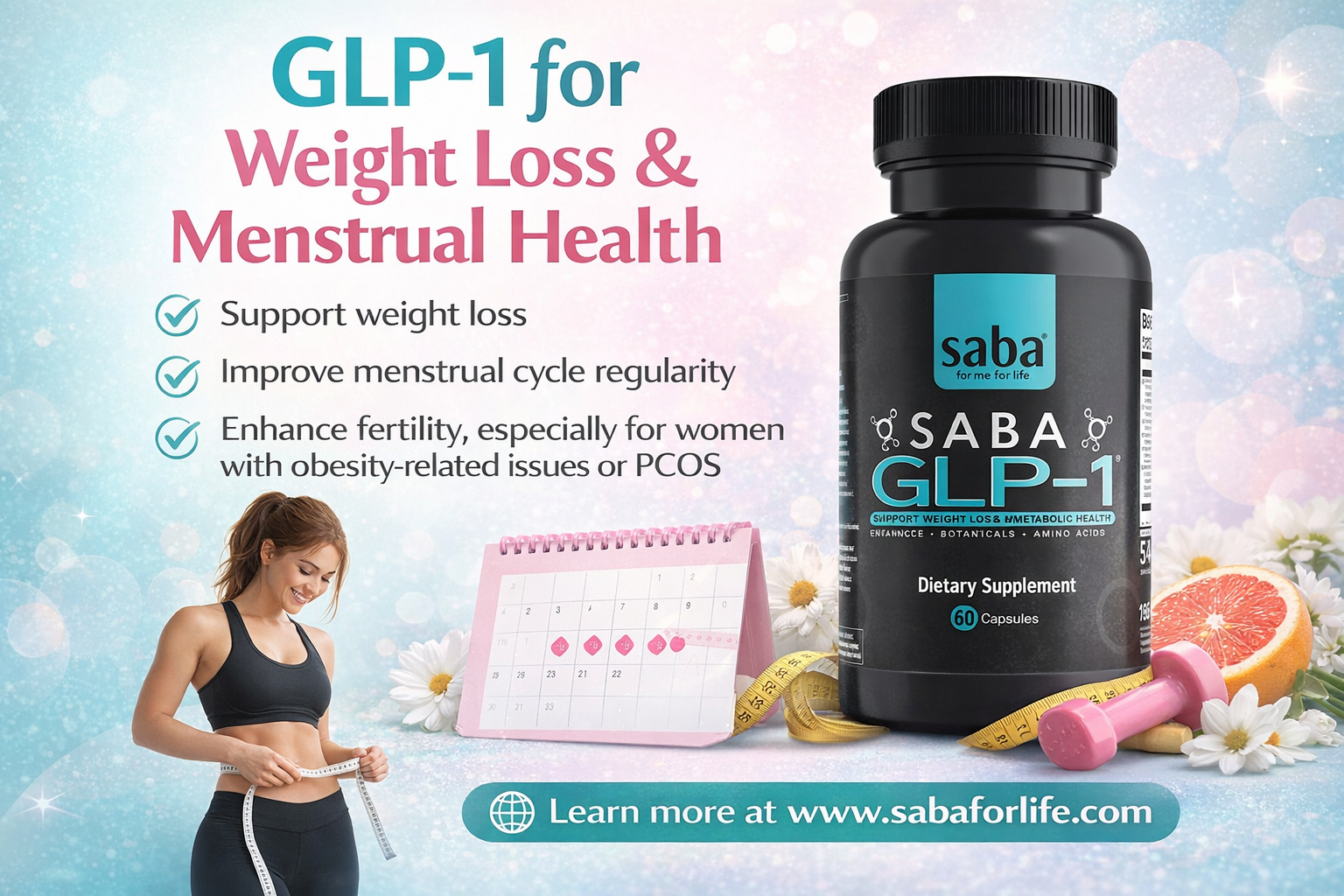
For more information about Saba and its wellness products, visit Saba’s Facebook Page. And GLP-1 boosters and how they can improve your health, visit www.sabaforlife.com.
Disclaimers-
Results may vary. Saba GLP-1™ is not a GLP-1 drug, synthetic GLP-1, or GLP-1 agonist. This product has not been evaluated by the U.S. Food and Drug Administration (FDA). It is not intended to diagnose, treat, cure, or prevent any disease. For best results, use as directed on the label in combination with a balanced diet and healthy lifestyle. Always consult your healthcare provider before starting any new supplement.